
You’ve found the perfect Smart Used Car Buying. The photos look pristine, the mileage is low, and the seller’s description makes it sound like a rare find. But as you prepare to meet the seller, that nagging voice in the back of your head starts asking questions: Is there hidden frame damage? What’s that faint ticking sound from the engine? Why is the carpet slightly damp under the floor mats?
In 2026, the used car market is more competitive than ever. With vehicle prices remaining high and “lemon” cars becoming harder to spot among shiny high-tech interiors, a Pre-Purchase Inspection (PPI) is no longer just a recommendation—it is an essential safeguard.
But you have a choice: Do you coordinate with the seller to take the car to a local garage, or do you hire a mobile pre-purchase inspection service to meet you at the vehicle? This troubleshooter guide will break down the costs, the benefits, and the “hidden” realities of mobile inspections to help you decide if it’s the right move for your next big purchase.
What Exactly is a Smart Used Car Buying Inspection?
A mobile pre-purchase inspection is a service where a qualified mechanic or certified vehicle inspector travels directly to the car’s location—whether that’s a private seller’s driveway, a workplace parking lot, or a dealership.
The “Detective” on Wheels
Unlike a standard safety inspection (which only checks if the car meets minimum road legal requirements), a PPI is a deep-dive “health check.” The inspector acts as your personal advocate, looking for signs of:
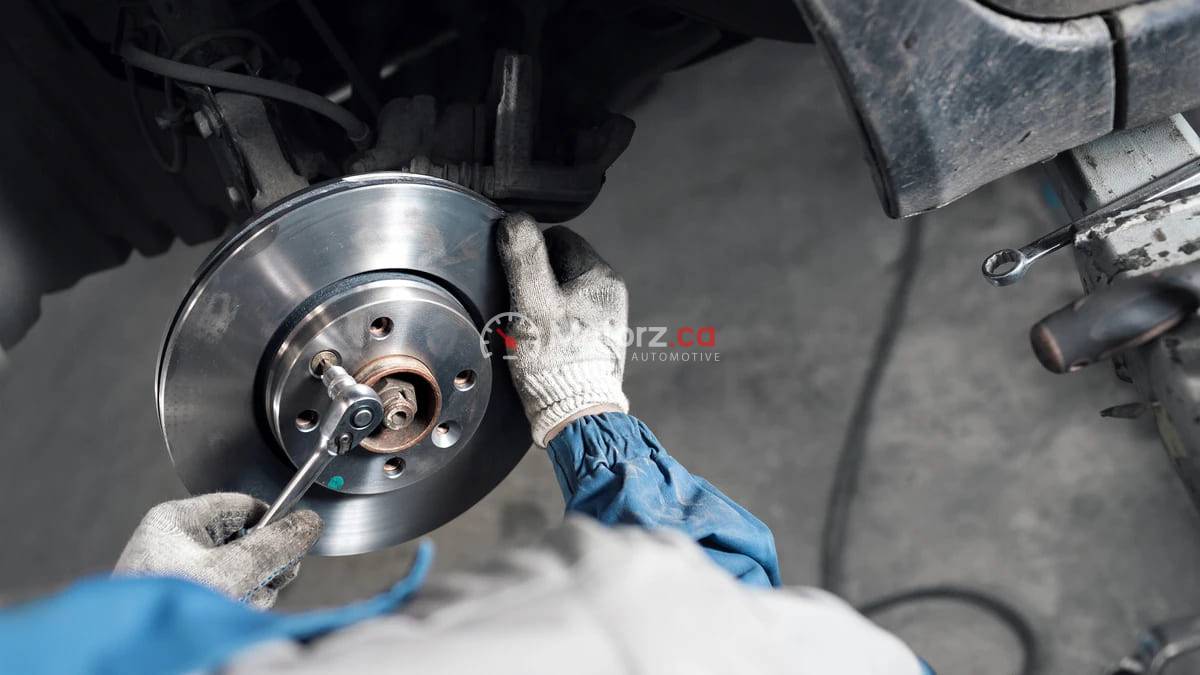
Mechanical Neglect: Hidden oil leaks, worn belts, or aging batteries.
Structural Issues: Evidence of past accidents, frame straightening, or poor bodywork.
Electronic Gremlins: Using an OBD-II scanner to find “pending” fault codes that haven’t triggered a dashboard light yet.
How it Works in 2026
Modern mobile services, such as Lemon Squad or local independent specialists, provide digital reports within hours. These often include 50+ high-resolution photos, video clips of the engine running, and a prioritized list of upcoming maintenance needs.
The Major Advantages of Going Mobile
For many buyers, the convenience of a mobile service is the primary draw, but there are strategic benefits that go far beyond just saving a trip to the shop.
Breaking the Sales Pressure
Examining a car while a salesperson or a nervous private seller hovers over your shoulder is stressful. You might feel rushed or embarrassed to check the “silly” things, like whether every single window switch works.
The Buffer: A mobile inspector provides a professional buffer. They take the time to methodically go through a 150-point checklist while you stay in the comfort of your home or office.
Objective Data: You receive a factual, unbiased report. It’s much easier to walk away from a “bad deal” when you are looking at a digital list of faults rather than arguing with a seller in person.
Speed in a Competitive Market
In 2026, good used cars sell in hours, not days. Coordinating a time for a seller to drop a car off at a mechanic’s shop can take days of back-and-forth.
Same-Day Service: Many mobile inspectors offer same-day or next-day bookings. By sending an inspector directly to the car, you can get the “green light” to buy before another shopper snags the vehicle.
The Trade-Offs: What a Mobile Service Can’t Do
While mobile inspections are incredibly convenient, they do have physical limitations compared to a full-service auto shop.
The Missing Lift
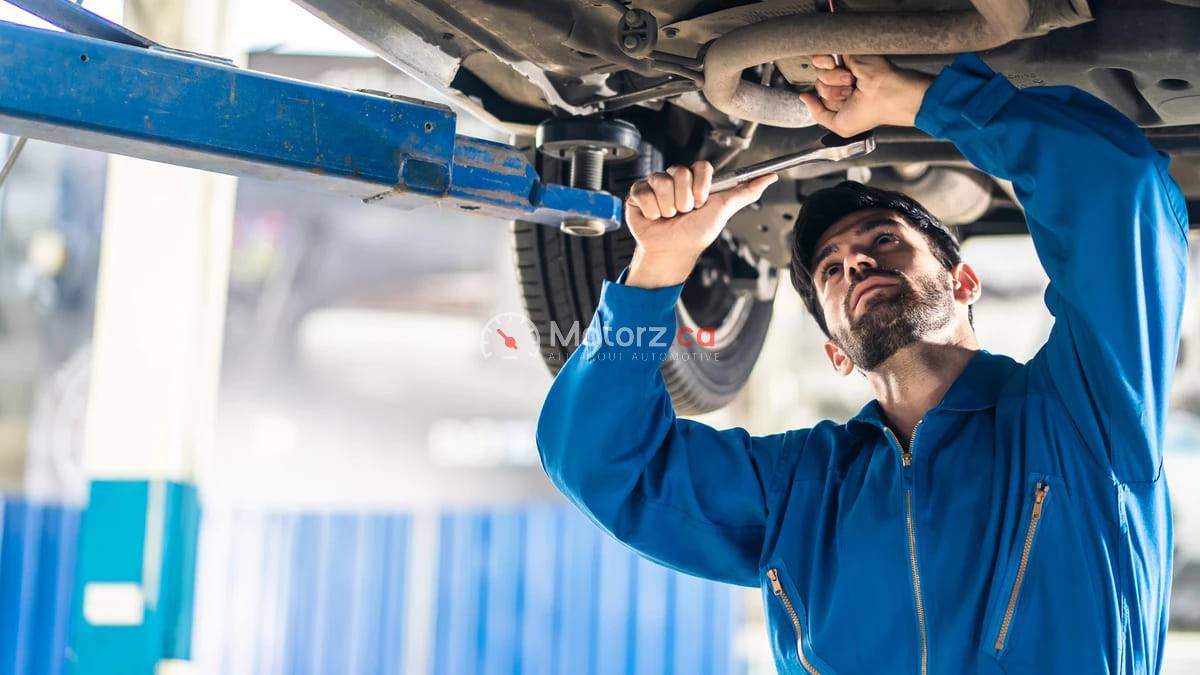
The biggest drawback of a mobile inspection is the lack of a hydraulic lift.
The Ground View: A mobile mechanic has to use a jack and stands or simply crawl under the car with a flashlight. While they can see 90% of issues, they might miss a hairline crack in a transmission housing or a tiny leak tucked high up in the engine bay that is only visible from directly underneath.
Structural Precision: A shop can perform a precision alignment check to see if the frame is truly straight; a mobile inspector relies on visual cues like “dog-tracking” or uneven tire wear.
Specialized Diagnostics
For high-end luxury cars (like a Porsche or a modern EV), some deep-level software diagnostics require heavy equipment or proprietary dealership tools that a mobile van might not carry. However, for 95% of “daily driver” cars, a mobile OBD-II scanner is more than sufficient.
The Cost of Peace of Mind in 2026
Budgeting for an inspection is the smartest “repair” you will ever pay for. In 2026, costs have stabilized as the service has become more mainstream.
Average Pricing Breakdown
Standard Inspection: 150 to 225 units. This covers your basic sedans, SUVs, and trucks. It includes a road test, mechanical check, and computer scan.
Premium/Exotic Inspection: 250 to 400 units. Tailored for luxury brands, classic cars, or EVs. These involve more detailed battery health checks or specialized engine diagnostics.
The ROI: If an inspector finds that the car needs 800 units worth of new brakes and tires—which you use to negotiate 1,000 units off the price—the inspection has literally paid for itself four times over.
Should You Hire One?
The answer depends on the car and your location.
If you are buying a long-distance vehicle you can’t see in person, a mobile inspection is mandatory. It is your only “set of eyes” on the ground. Similarly, if you are a busy professional buying a relatively modern car from a private seller, the mobile service is the most efficient choice.
However, if you are buying a high-value performance car or an older vehicle with suspected frame damage, it may be worth the extra effort to get the car on a lift at a dedicated shop.
The Bottom Line: Never buy a used car without an independent check. Whether it’s mobile or at a shop, the 200 units you spend today is the only thing standing between you and a 5,000-unit repair bill tomorrow.