

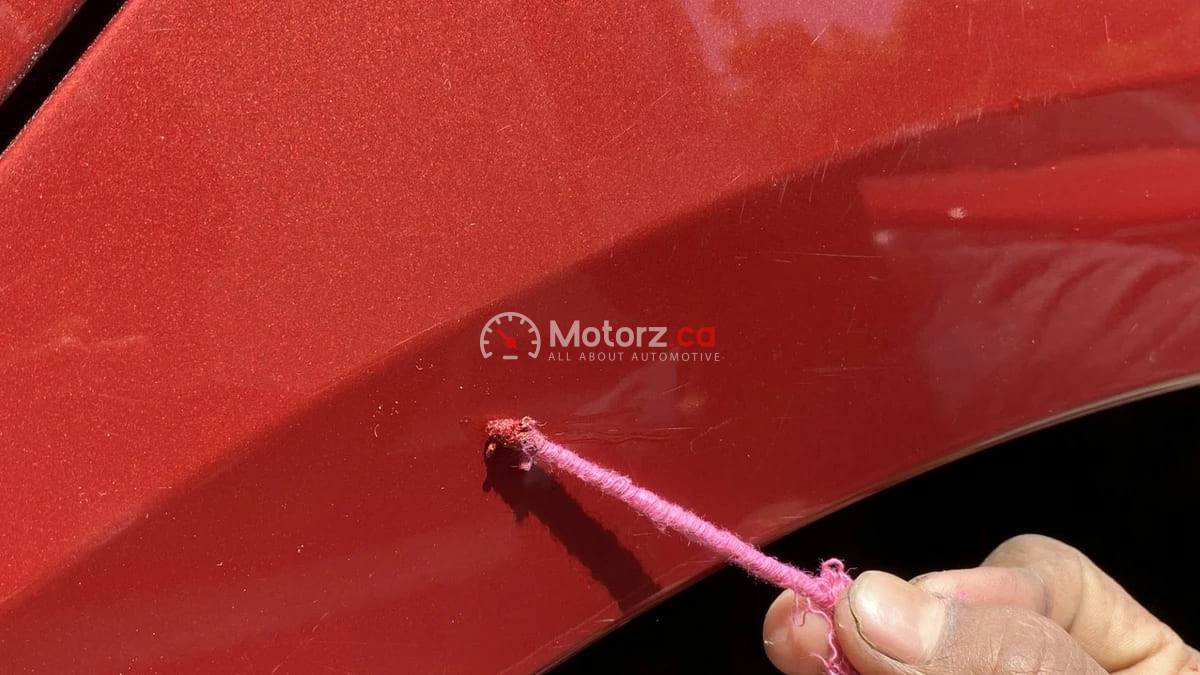

We’ve all experienced that DIY Car Paint Touch-Ups feeling. You’re washing your car on a sunny afternoon and spot it: a bright, jagged rock chip on the hood or a thin, white scratch along the door handle. Your first instinct is to grab a touch-up pen and “fill it in,” but without the right technique, you often end up with a raised, mismatched “blob” that is more noticeable than the original scratch.
In 2026, automotive paint systems are more complex than ever, utilizing multi-stage pearls and metallic flakes that require a specific touch. The secret to a truly invisible repair isn’t just the paint—it’s the process of leveling, blending, and polishing.
This guide will walk you through the professional “Corner Wrench” approach to making those pesky chips disappear into your factory finish.
Preparation: The Foundation of DIY Car Paint Touch-Ups
The most common reason DIY touch-ups fail is poor adhesion. If you apply paint over wax, grease, or road grime, it will simply slide off or bubble within weeks.
Step 1: Deep Cleaning
Wash the entire panel with a dedicated car shampoo to remove loose dirt. Once dry, use a wax and grease remover or a 10% isopropyl alcohol solution on a microfiber towel. This “decontaminates” the area, ensuring the new paint bonds chemically with the surface.
Step 2: Removing Rust and Jagged Edges
If the chip has reached bare metal and started to orange, you must stop the oxidation.
The Tool: Use a fiberglass sanding pen or a small piece of 1500-grit sandpaper wrapped around a pencil eraser.
The Goal: Gently sand only the interior of the chip until you see shiny metal. If the edges of the surrounding paint are “lifting” or jagged, lightly smooth them so the new paint has a flat surface to transition into.
The Golden Rule: Thin Layers, Not One Big Drop
If you take only one tip from this guide, let it be this: Never try to fill the chip in one go. Automotive paint shrinks as it cures. A “flush” application of wet paint will become a “concave” pit once dry. Conversely, a huge drop of paint creates a “dome” that is incredibly difficult to sand down without damaging the surrounding clear coat.
Using the Right Applicator
Ditch the thick brush that comes in the bottle cap. For a professional result, use:
Micro-brushes: Tiny lint-free swabs that allow for surgical precision.
Toothpicks: Ideal for the smallest “road rash” pinholes.
Fine-Line Painting Pens: A brass tool that uses capillary action to “drop” paint into a scratch without brushing.
The Multi-Coat Strategy
Apply a tiny amount of paint to the center of the chip and let it flow to the edges. Wait 20 to 30 minutes between coats. Repeat this until the paint is just a hair below the level of the surrounding surface. This leaves room for the most important step: the clear coat.
Blending and Leveling the Finish
The clear coat provides the gloss and UV protection. Once your color coat is dry (give it at least 2–3 hours), apply a thin layer of clear coat so it sits slightly above the surrounding paint. Now, your car has a “pimple”—but don’t worry, this is where the magic happens.
Wet Sanding for Leveling
After the clear coat has cured for at least 24 to 48 hours, you need to level it.
Soak your sandpaper: Use 2000-grit or 3000-grit wet/dry sandpaper soaked in water for 15 minutes.
Light Pressure: Use a small sanding block (or a wine cork) to sand the “blob” until it is perfectly flush with the rest of the panel.
Check Frequently: Wipe the area dry often. When the repair looks “matte” and feels perfectly smooth to your fingertip, stop.
Pro Tip: Tape off a small square around the repair with blue painter’s tape. This protects the healthy paint while you focus your sanding on the touch-up area.
The Final Polish: Restoring the Showroom Shine
At this stage, your repair is level, but it looks dull and cloudy from the sanding. You need to “refine” the scratches you just made to bring back the gloss.
Compounding: Use a high-quality rubbing compound on a microfiber applicator. Use firm, circular motions to remove the 3000-grit sanding marks.
Polishing: Switch to a fine finishing polish to remove any remaining haze.
Protection: Wait at least 30 days before applying wax or a ceramic coating. The new paint needs to “off-gas” and fully harden; sealing it too early can trap solvents and cause the paint to remain soft or discolor.
Patience is the Secret Ingredient
Making a car paint touch-up invisible isn’t about having a “steady hand”—it’s about having patience. The pros spend 10% of their time painting and 90% of their time prepping and finishing. By building thin layers and taking the time to wet-sand and polish the results, you can save hundreds of units in professional body shop fees while keeping your car’s resale value at its peak.