

You’re Brake Check down for a red light when it happens—a high-pitched chirp, a slight shudder in the steering wheel, or a faint scent of something burning. Your first instinct is likely a mix of annoyance and anxiety. You find yourself asking: Is this just a quirk of my car, or am I about to lose my stopping power?
In 2026, automotive braking systems are more advanced than ever, often integrated with regenerative charging for hybrids or complex Electronic Stability Control (ESC) systems. However, the physical act of stopping still relies on friction, heat, and pressure. While some sounds and sensations are harmless side effects of the road, others are loud-and-clear warnings that your vehicle’s most critical safety system is failing.
This comprehensive troubleshooter guide will help you distinguish between “normal” brake behavior and the warning signs that require an immediate trip to the shop.
The Sounds of Silence (and Not-So-Silence)
Brakes are rarely perfectly quiet, but there is a big difference between a morning “whisper” and a midday “scream.”
The Brake Check: Usually Normal
If you hear a light squeaking or grinding for the first two or three stops on a humid or rainy morning, don’t panic.
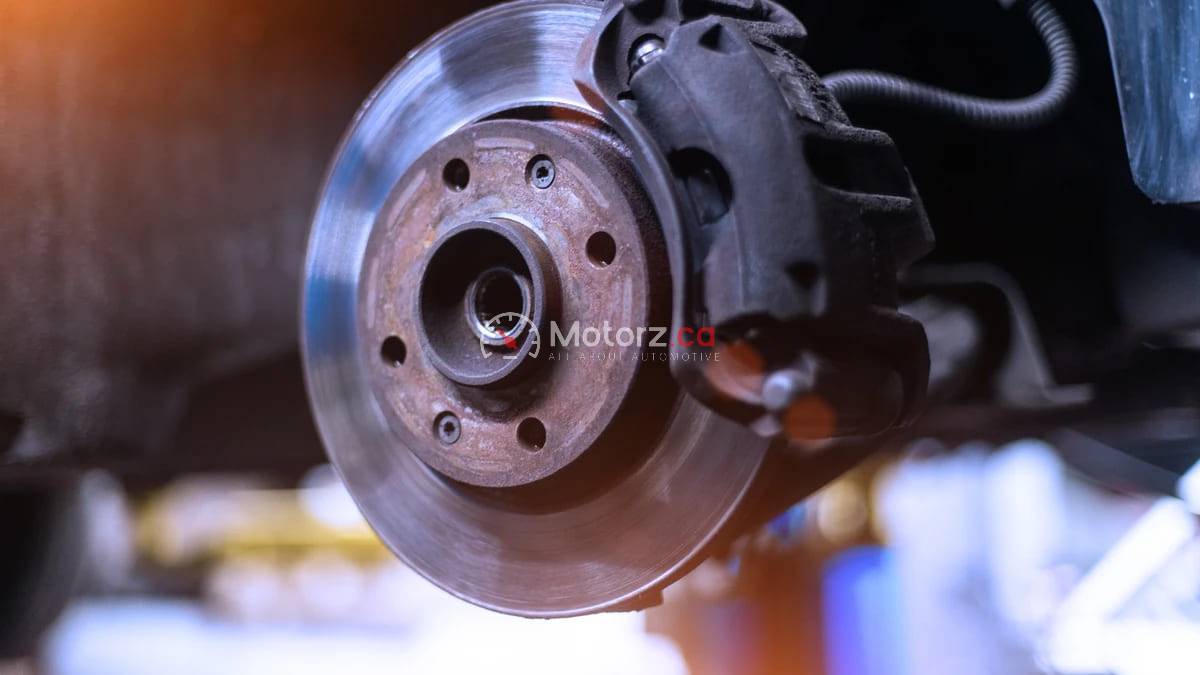
The Cause: Iron brake rotors can develop a thin layer of surface rust overnight due to moisture.
The Fix: The first few applications of the brake pedal act like a lathe, “shaving” that surface rust off. If the noise disappears after a block or two, it’s perfectly normal.
The Continuous High-Pitched Squeal: Not Normal
If the squealing is persistent and occurs even when you aren’t pressing the pedal, your car is talking to you.
The Cause: Most brake pads are equipped with a mechanical wear indicator—a small metal tab designed to scrape against the rotor once the pad material gets too thin.
The Insight: Think of this as an “early warning” system. Your brakes still work, but you have very little “meat” left on the pads. You should schedule a replacement within the week.
The Harsh Metallic Grinding: Emergency
If your car sounds like a garbage disposal full of silverware every time you stop, you have reached a “metal-on-metal” state.
The Cause: The friction material on your brake pads is completely gone. The metal backing plate is now grinding directly into the iron rotor.
The Risk: This significantly increases your stopping distance and destroys your rotors. Driving in this condition is dangerous and will triple your repair bill.
Feeling the Feedback: Pulsing and Sponginess
Sometimes the problem isn’t what you hear, but what you feel through the sole of your shoe.
Steering Wheel Shaking or Pedal Pulsation
If the brake pedal “pushes back” or the steering wheel shimmies as you slow down from highway speeds, you likely have warped rotors.
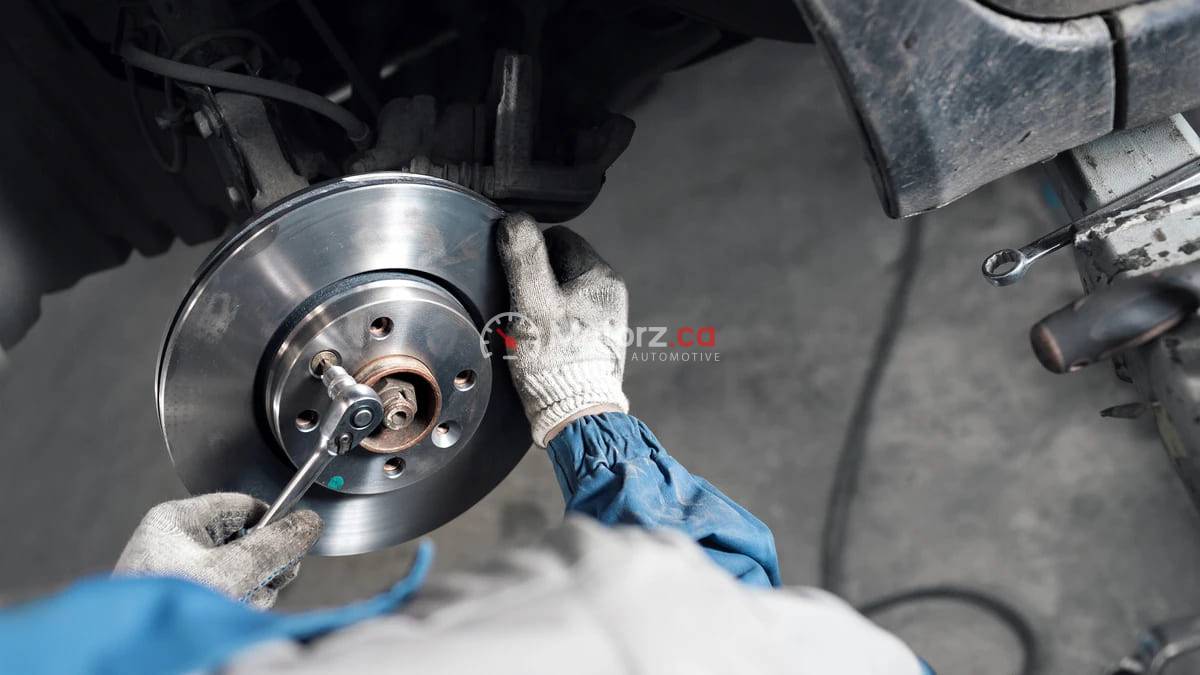
The Cause: Rotors can warp due to extreme heat (like braking heavily down a long mountain pass) or if the lug nuts on your wheels were tightened unevenly.
The Fix: A technician can sometimes “resurface” (turn) the rotors to make them flat again, but in 2026, many lightweight modern rotors are designed to be replaced rather than repaired.
The “Spongy” or Soft Pedal
If you have to “pump” the brakes to get them to work, or if the pedal sinks slowly to the floor while you’re stopped at a light, you have a hydraulic issue.
The Cause: This usually indicates air in the brake lines or a failing master cylinder.
The Warning: A spongy pedal is a precursor to total brake failure. If your pedal feels like it’s pressing into a marshmallow, do not drive the car.
Smells and Sight: The Often-Overlooked Signs
Your nose and eyes can be just as effective as your ears when diagnosing brake trouble.
The Chemical “Burning” Smell
If you catch a sharp, acrid, chemical odor after a series of hard stops, your brakes are glazing.
The Cause: When pads overheat, the friction material can “liquefy” and then harden into a smooth, glassy surface. This makes the brakes much less effective.
The Fix: Pull over and let the brakes cool for 20 minutes. If the “wooden” feel of the brakes persists once they are cool, the pads likely need to be replaced.
The “Pull” to One Side
If the car feels like it’s trying to steer itself into the next lane every time you hit the brakes, you likely have a stuck caliper.
The Cause: One brake is “grabbing” harder than the others, or one isn’t engaging at all. This is often caused by a seized piston or a collapsed brake hose.
Normal Behavior in Modern Vehicles (EVs and Hybrids)
If you’ve recently switched to an Electric Vehicle (EV) or a Hybrid, your brakes might act in ways that feel “wrong” but are actually by design.
Regenerative Clicking: You may hear clicking or whirring as the car switches from “motor braking” (reclaiming energy) to “friction braking” (physical pads).
The “Crunchy” Feel: Since EVs use their physical brakes less often, they can accumulate more rust than gas cars. Some EVs have a “Brake Cleansing” mode that intentionally applies the pads to keep the rotors clean.
ABS Kickback: If you slam on the brakes in an emergency and the pedal “chatters” or vibrates violently, that is your Anti-lock Braking System (ABS) working correctly. It is preventing your wheels from locking up so you can still steer.
Trust Your Instincts
Your brakes are the most important safety feature on your vehicle. While a little bit of morning surface rust is part of car ownership, any change in the way your car stops should be treated with respect.
If you are ever in doubt, remember the Troubleshooter’s Mantra: It is always cheaper to replace brake pads than it is to replace a bumper—or a life. When your car tries to tell you something is wrong through a squeak or a shudder, listen.