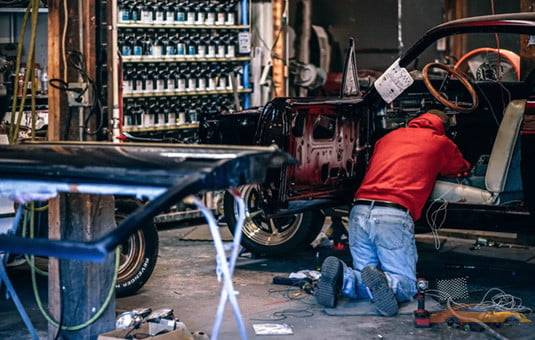




You are standing in your Classic Car Parts, grease up to your elbows, staring at a component that has finally given up the ghost. It might be a leaking water pump, a smoky engine, or a manual transmission that grinds with every shift. If this were a modern commuter car, you would simply pull out your phone and order a new one. But this is your classic—a piece of history, an investment, and perhaps a member of the family.
The dilemma of the Corner Wrench is age-old:
There is no one-size-fits-all answer. For a purist, replacing an original part feels like erasing a bit of the Classic Car Parts soul. For the weekend cruiser, a modern replacement offers the siren song of reliability and a quick return to the road. In this definitive guide, we will weigh the costs, the technical challenges, and the impact on your vehicle’s value to help you decide when to save it and when to swap it.
The Philosophy of Restoration: Authenticity vs. Utility
Before you pick up a tool, you must decide what your car’s “mission” is. How you answer this will dictate whether you rebuild or replace.
The Numbers-Matching Purist
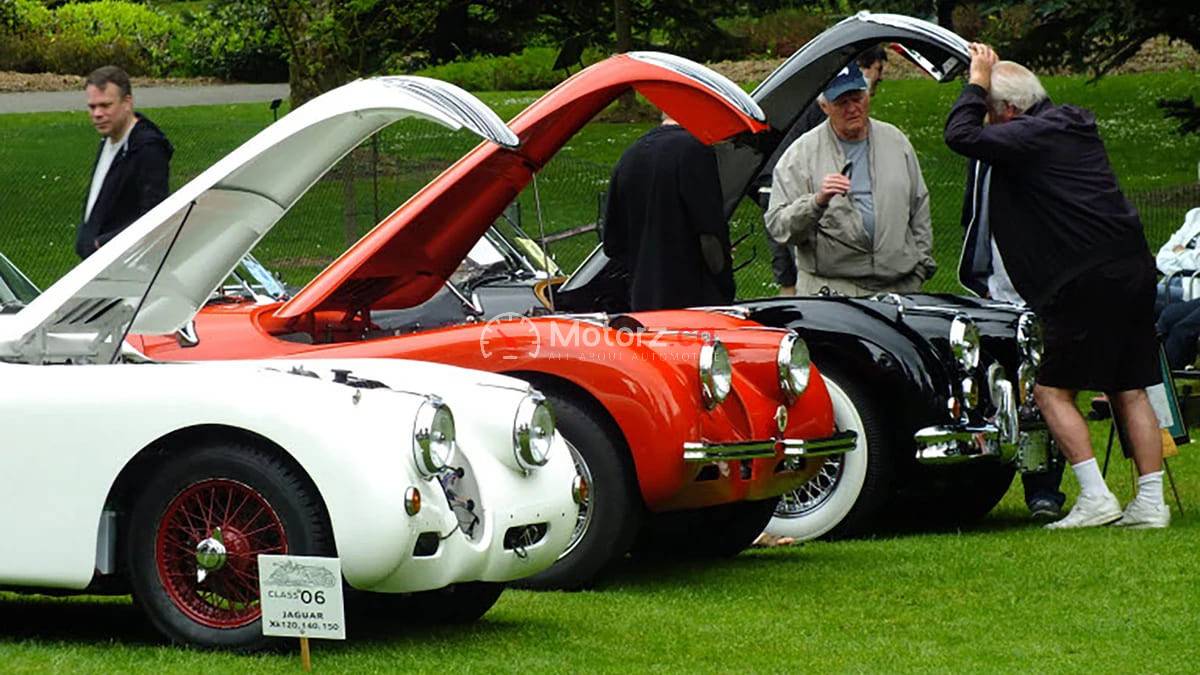
If you own a rare collector car—think a 1969 Boss 429 Mustang or an original Jaguar E-Type—originality is everything. In the high-end auction world, “numbers-matching” means the serial numbers on the engine, transmission, and frame match the factory records.
The Choice: Rebuild. Replacing the original engine block with a modern crate motor can slash the car’s market value by 30 percent or more.
The Restomod Enthusiast
A “restomod” is a classic car that looks original on the outside but hides modern performance underneath.
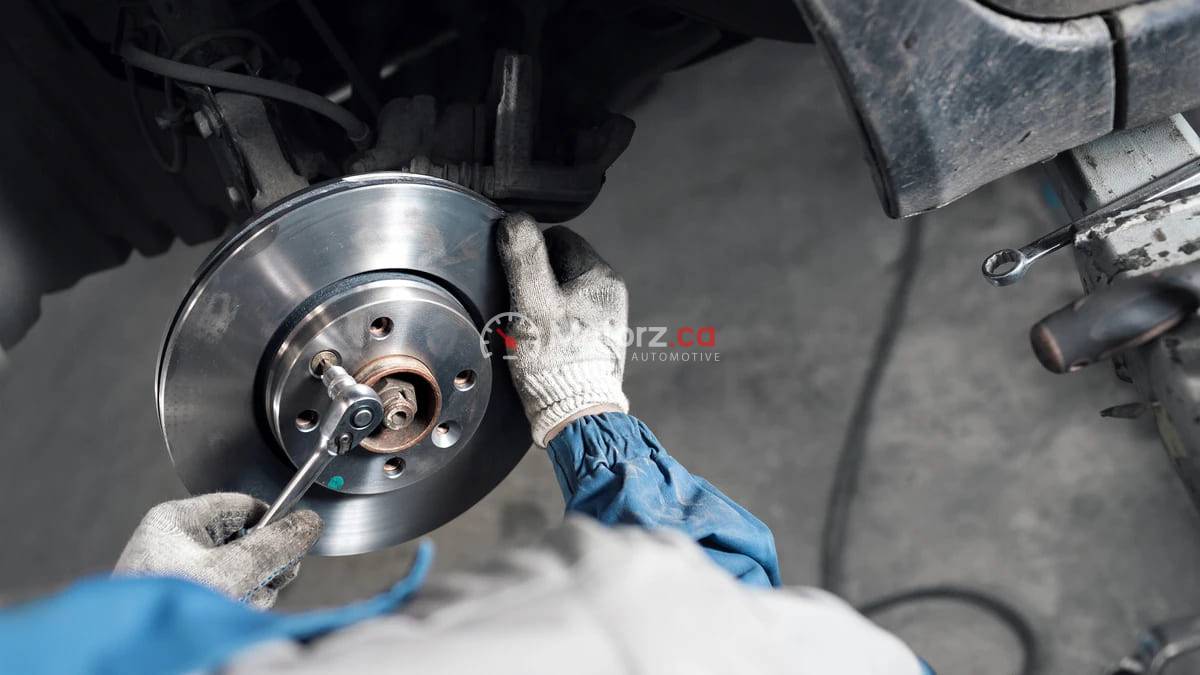
The Choice: Replace. If you want disc brakes, fuel injection, and air conditioning that actually works, you aren’t looking to rebuild a 50-year-old carburetor; you are looking to upgrade to modern hardware.
When to Rebuild: Keeping the Original Soul
Rebuilding involves disassembling your original part, cleaning it, machining worn surfaces, and replacing only the soft components (gaskets, seals, bearings).
Pros of Rebuilding
Value Retention: As mentioned, keeping original “stamped” parts is vital for investment-grade classics.
Guaranteed Fitment: You know the part fits because it was already there. You won’t struggle with “close-enough” aftermarket brackets or bolt patterns.
The Satisfaction Factor: There is an immense sense of pride in taking a seized 1965 alternator and making it spin like new again.
Cons of Rebuilding
Time: Rebuilding takes much longer. You have to wait for machine shops, hunt down obscure rebuild kits, and spend hours at the workbench.
Hidden Fatigue: You can replace the seals in an old steering box, but you can’t easily fix microscopic metal fatigue in the cast iron housing.
When to Replace: The Fast Track to the Road
Replacing means buying a new (or remanufactured) unit and sending your old part back as a “core.”
Pros of Replacing
Speed: You can often have a replacement part at your door by the next morning.
Modern Engineering: Many replacement parts are “improved” versions of the original. For example, modern water pumps often have better impellers and seals than the ones designed in the 1960s.
Warranties: Most new or remanufactured parts come with a 1-year to 3-year warranty. If you rebuild it yourself and it fails, you are the only one to blame.
Cons of Replacing
The “China-Grade” Risk: Not all new parts are equal. The classic car market is flooded with cheap, low-quality reproductions that may look right but fail within months.
Loss of Patina: A shiny, brand-new starter motor can look out of place in an engine bay that otherwise has a beautiful, aged “survivor” look.
Categorizing the Decision: System by System
Let’s break down the most common components to see where the “rebuild vs. replace” needle usually lands.
Engines and Transmissions
Rebuild: If it’s the original engine.
Replace: If the block is cracked, the repair costs exceed a crate engine, or if you are looking for a significant power increase.
Alternators and Starters
Rebuild: These are relatively simple “DIY” projects. Kits are cheap, and the original housings are often higher quality than new “budget” replacements.
Replace: If the internal copper windings are charred or shorted beyond repair.
Carburetors
Rebuild: Almost always. A carburetor is a precision instrument calibrated for your specific engine. Rebuilding it preserves that “tune.”
Replace: Only if the throttle body is so worn that it’s sucking air, or if you are switching to modern Electronic Fuel Injection (EFI).
Suspension and Steering
Replace: Critical safety components like ball joints, tie rods, and bushings should almost always be replaced with new, high-quality units. Rubber naturally degrades over decades regardless of how well you “clean” it.
Cost Comparison: The Financial Reality
It is a common myth that rebuilding is always cheaper. In fact, if a part requires extensive professional machining, a new replacement is often the more economical path.
Environmental Impact: The Green Side of Classics
Rebuilding is the ultimate form of recycling. By reusing the heavy cast iron or aluminum housings of your parts, you are reducing the carbon footprint associated with mining, smelting, and shipping new metal.
In a world increasingly focused on sustainability, keeping original parts in service is a powerful statement. You are “upcycling” a piece of industrial art rather than sending it to a landfill.
Frequently Asked Questions
What does “Remanufactured” mean?
A remanufactured part is a middle ground. A factory takes an old “core,” strips it to its bare metal, and replaces every single internal component to meet or exceed original factory specs. It is effectively a “new” part inside an “old” shell.
How do I find a reputable rebuilder?
Look for specialists who focus on your specific brand. A general machine shop might be fine for a Chevy 350, but a vintage Porsche or Alfa Romeo requires someone who knows the specific quirks of those “corner wrenches.”
If I replace a part, should I throw the old one away?
Never. Even if you buy a new part, keep the original in a box in your garage. If you ever sell the car, the new owner will appreciate having the “born-with” components to prove the car’s history.
Making the Final Call
The choice to rebuild or replace classic car parts comes down to balance. If the part is the “heart” of the car—the engine, the transmission, or a rare trim piece—leaning toward a rebuild protects your investment. If the part is a “consumable” designed for safety or simple utility—like a fuel pump or brake cylinder—replacing it gives you the peace of mind to actually enjoy the drive.
At the end of the day, a classic car is meant to be driven. Choose the path that gets you behind the wheel with a smile on your face and confidence in your machine.