


Welcome to Manitoba! The province of 100,000 lakes, vast prairie skies, and some of the most dramatic weather on the planet. Whether you’re commuting through Winnipeg, heading out to the cottage at Grand Beach, or tackling the long stretches of highway near Brandon or Thompson, being prepared is not just good sense—it’s an absolute necessity.
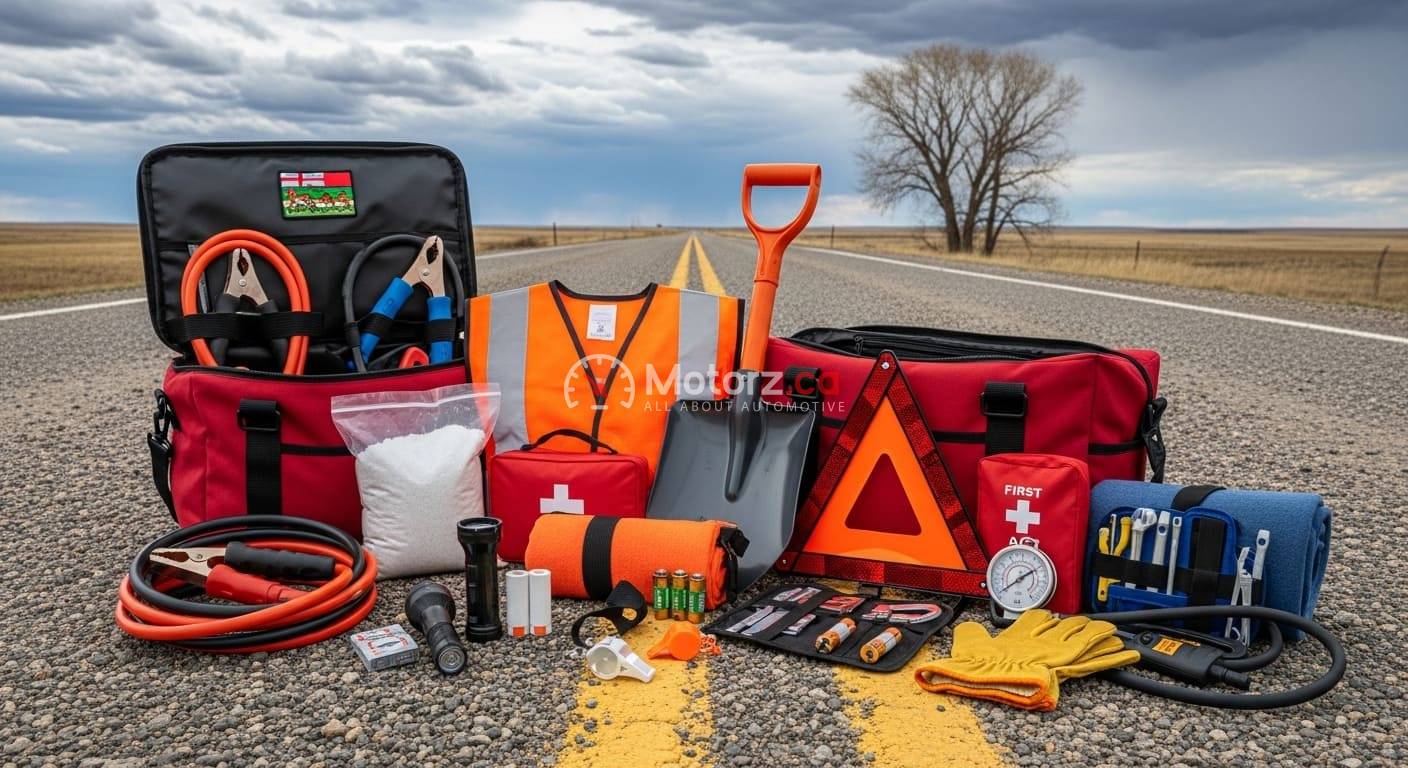
Your vehicle is your primary Roadside Emergency, and your roadside emergency kit is your lifeline. This isn’t just a basic kit; this is your comprehensive Manitoba winter survival kit designed for the unique challenges of prairie driving.
Let’s break down the must-have components of your vehicle’s essential emergency supplies.
Core Survival & Roadside Emergency: Battling the Blizzard
When your engine is off, the clock is Roadside Emergency. The number one priority in any Manitoba breakdown scenario during the colder months is maintaining body heat and visibility. These items are non-negotiable for blizzard preparedness.
Personal Insulation and Shelter
The core of your kit must be dedicated to keeping you and your passengers warm for an extended period.
Warm Blankets and Sleeping Bags (The Heat Shield):
Forget the thin fleece throw. You need a heavy wool Roadside Emergency or, ideally, a compact, high-loft winter-rated sleeping bag for each occupant. Complement this with Mylar survival blankets (space blankets), which are cheap, compact.
Extra Warm Clothing (Layer Up!):
Keep a complete change of warm, dry clothes in a waterproof bag. This should include:
Toques (Hats): Essential, as most body heat is lost through the head.
Insulated Mitts or Gloves: Mitts are generally warmer than Roadside Emergency.
Warm, Dry Socks: Wool or synthetic, never cotton.
Sturdy, Insulated Boots: Even if you wear sneakers for a quick drive, keep your winter boots for if you have to step out into deep snow or ice.
Chemical Hand and Foot Warmers:
These single-use packets are Roadside Emergency and can provide hours of targeted heat to hands and feet, which are often the first to suffer from cold exposure.
Candle in a Deep Metal Can and Matches
A simple tea light candle placed in a deep can (like a coffee can) can provide a surprising amount of heat in a confined space like a car, and the light is a clear signal at night. Caution: Crack a window slightly for ventilation to prevent carbon monoxide Roadside Emergency. Use waterproof matches or a reliable lighter.
Vehicle Recovery and Traction Aids: Getting Unstuck
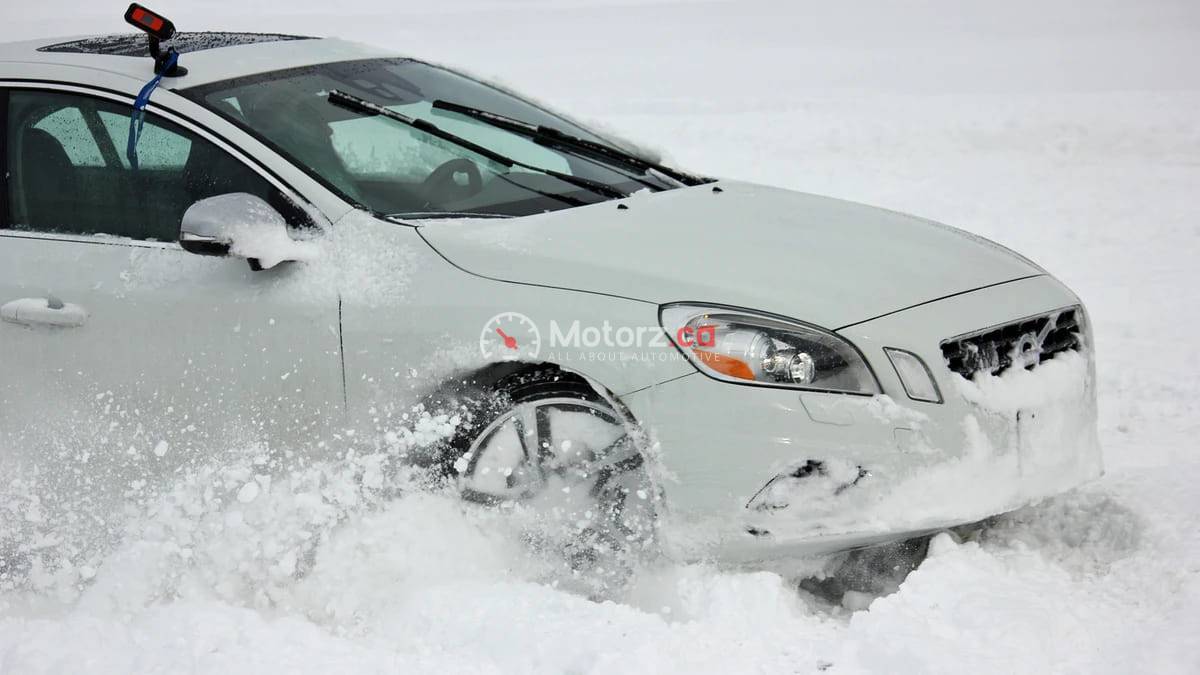
In Manitoba, getting stuck is a rite of passage, especially on snow-drifted backroads or icy city streets. Your kit must have the tools to help you gain traction and potentially free your vehicle.
The Un-Stuck Trinity
These three items work together to combat ice and snow and are central to highway safety.
Small Folding Shovel
A robust, military-style folding shovel or a Roadside Emergency, non-metallic snow shovel is vital for clearing snow from around your tires and, crucially, away from the exhaust pipe. NEVER let the tailpipe become blocked, as this risks fatal carbon monoxide poisoning inside the vehicle.
Traction Material (The Grip):
A bag of sand, coarse salt, or non-clumping kitty litter is the best friend of a spinning tire. Sprinkle it liberally in front of (or behind) the drive wheels to provide instant, gritty traction. Keyword: traction aids.
Jumper Cables or Portable Battery Booster (The Lifesaver):
Cold weather drains car batteries faster than anything else. A set of heavy-gauge booster cables is essential. Even better, invest in a modern portable battery booster pack (often with USB ports for charging phones) so you don’t need a second Roadside Emergency.
Essential Tools and Fluids
Ice Scraper and Snow Brush (Clear Vision): Keep a dedicated brush and scraper in the passenger area, not the trunk, so you can Roadside Emergency it even if the trunk is frozen shut or blocked by snow.
Extra Windshield Washer Fluid (Winter-Rated):
Carry a full, unopened jug of winter-grade fluid. Slush and salt spray can instantly blind you on the road.
Tow Rope or Chain (Heavy Duty):
A strong tow strap or chain will be needed if a passing truck or tow service can pull you out of a ditch or deep snowbank. Know your vehicle’s tow points.
Communication, Visibility, and First Aid
Getting help and staying safe while you wait for it are Roadside Emergency. These are the tools that bridge the gap between breakdown and rescue.
Signaling and Alerting
3.1.1. Road Flares and Reflective Triangles (Be Seen): Use reflective warning triangles or LED hazard lights to place up to 30 meters behind your vehicle to alert oncoming traffic. This is a critical element of emergency supplies for highway safety, especially in low visibility.
Flashlight and Whistle (Find Me):
Carry a durable LED flashlight (preferably a headlamp to keep hands free) and plenty of spare batteries. A loud, pea-less whistle is highly effective for Roadside Emergency over long distances when a rescuer is searching for you.
Charged Cell Phone and Charger (The Primary Link):
Always travel with a fully charged phone. Keep a spare car phone charger and consider a dedicated power bank in your kit.
First Aid and Personal Supplies
Comprehensive First Aid Kit (Prepared for Anything): Ensure your kit is well-stocked with bandages, antiseptic wipes, pain relievers, gauze, medical tape, and any personal medications you or your family might need. Include a seatbelt cutter and a window Roadside Emergency tool.
Food and Water (Sustenance):
Non-perishable, high-energy snacks like granola bars, dried fruit, nuts, or hard candy. Keep a supply of bottled water (remember to keep it from freezing or replace it often). A small metal cup for melting snow for water is also a smart addition for long-term survival.
Documentation and Logistics: The Administrative Essentials
When emergency services arrive, having your papers in order saves valuable time and ensures you get the help you need efficiently.
Key Information and Documents
Emergency Contact Information:
A laminated card listing emergency Roadside Emergency, including family, insurance provider, and your CAA Roadside Assistance number if you are a member.
Important Documents:
Keep a copy of your driver’s license, vehicle registration, and insurance information in a waterproof pouch in your kit (in addition to your wallet).
Maps and Compass (The Backup Plan):
While GPS is great, it can fail in remote areas or if your phone dies. A good old-fashioned Manitoba road map is an indispensable navigation backup for prairie driving.
Maintenance and Miscellaneous
Duct Tape and Zip Ties (The Fix-All): For temporary Roadside Emergency on hoses, bumpers, or just about anything.
Small Tool Kit: Include a few basic wrenches, pliers, and screwdrivers.
Fire Extinguisher: A small, ABC-rated fire extinguisher is a smart addition, stored securely in an accessible location.
Tips for Manitoba Drivers
A kit is only as good as its maintenance. Take the time to check your emergency kit at the start of every season, and before any long journey.
The Full Tank Philosophy
Keep your gas tank at least half full at all times, particularly in Roadside Emergency. If you get stranded, you will need to run the engine sparingly (10 minutes every hour) for heat. A full tank is your best insulation against being stranded without power. This is a top tip for any driver on Manitoba highways.
Tell Someone Your Plan
Always let someone know your route, your estimated time of arrival (ETA), and the description of your vehicle before setting out on a long drive, especially in poor weather. This simple act drastically reduces the time it takes for emergency services to find you if you don’t arrive on time.
Stay With Your Vehicle
If you break down, stay inside your vehicle unless you can see help nearby. Your car is the largest, most visible, and warmest shelter you have. Running the engine briefly and ensuring the tailpipe is clear are the keys to surviving a breakdown in the extreme Manitoba cold.
By assembling and maintaining this comprehensive roadside emergency kit, you are taking the most important step toward safe Manitoba driving. Be prepared, be safe, and enjoy the beauty of the vast Canadian prairies, knowing you’re ready for whatever Mother Nature throws your way.