



You’re cruising down the road when you feel a Car Warranty vs. Tire Warranty or hear the telltale “thwack-thwack” of a flat. After pulling over, you realize the tire is toast. Your car is only six months old, so you think, “No problem, it’s under warranty.” But as you reach for your phone to call the dealership, a nagging question creeps in: Does the vehicle warranty actually cover the tires?
Navigating car warranties can feel like reading a foreign language. Most new car owners assume their “bumper-to-bumper” coverage includes everything between those two points—including the four circles of rubber touching the asphalt. However, in 2026, the reality of tire coverage is a bit more nuanced.
This troubleshooter guide explains exactly who is responsible for your tires, what qualifies for a free replacement, and why your maintenance records are the most valuable papers in your glove box.
The Great Divide: Car Warranty vs. Tire Warranty
When you buy a new vehicle, you are actually receiving two separate sets of promises. One comes from the vehicle manufacturer (like Ford, Toyota, or Tesla), and the other comes from the tire manufacturer (like Michelin, Goodyear, or Bridgestone).
Why the Dealership Might Say “No”
Your vehicle’s Bumper-to-Bumper Warranty covers defects in parts designed and installed by the car company. Since car companies don’t make their own tires, they generally exclude them from their primary warranty. Instead, they pass the tire manufacturer’s warranty along to you.
The Exception: Some high-end luxury brands or “Certified Pre-Owned” (CPO) programs include a limited road hazard or tire protection plan as a perk, but this is the exception, not the rule.
The Tire Manufacturer’s Role
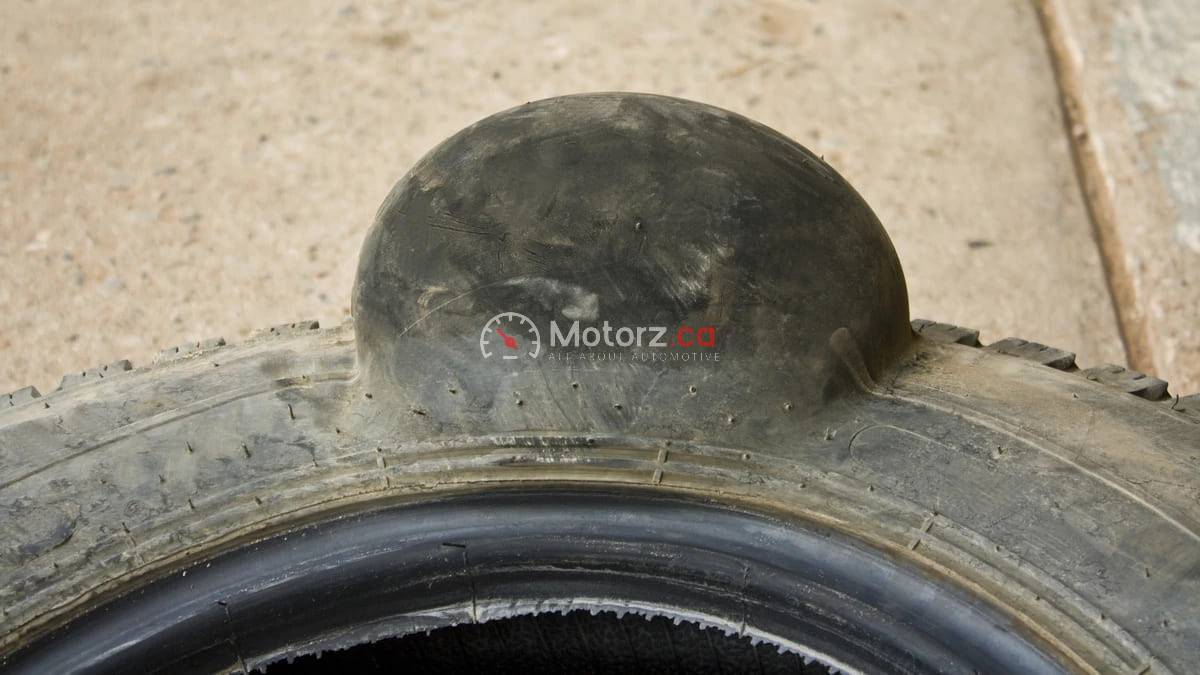
If your tire fails due to a factory flaw—like the tread separating or a bubble appearing in the sidewall—it is the tire maker, not the car maker, who typically foots the bill. You can often find a separate tire warranty booklet inside your owner’s manual packet.
What Is (and Isn’t) Typically Covered?
Understanding the difference between a “defect” and a “hazard” is the key to knowing if your claim will be approved.
Covered: Manufacturing Defects
These are issues that happened at the factory before the tire ever touched the road.
Workmanship and Materials: If the rubber compound is faulty or the steel belts inside the tire shift, causing an “out-of-round” vibration, you are covered.
Tread Separation: If the tread literally peels away from the body of the tire (without evidence of an impact), this is a classic warranty claim.
Not Covered: Road Hazards and Wear
Warranties are not insurance policies. They do not cover “accidents” that happen during daily driving.
Punctures and Cuts: If you run over a nail or a piece of glass, that is considered a road hazard, not a defect.
Curb Damage: Clipping a curb and tearing a sidewall is considered “user error.”
Normal Wear: Just like the soles of your shoes, tires are meant to wear down. If they wear out after 60,000 kilometers of hard driving, the manufacturer won’t replace them for free.
The “Pro-Rated” Trap: You Might Still Have to Pay
One of the biggest surprises for drivers filing a tire claim is that a “covered” tire isn’t always a “free” tire. Unlike a faulty alternator which is replaced at 100% cost to the manufacturer, tire warranties are often pro-rated.
How Pro-Rating Works
The manufacturer calculates how much “life” you have already used.
The Formula: If your tire is guaranteed for 80,000 kilometers but fails at 40,000 kilometers due to a defect, the manufacturer might only cover 50% of the cost of a new tire.
Hidden Costs: You will almost always be responsible for the cost of mounting and balancing the new tire, as well as any disposal fees for the old one.
How Maintenance Impacts Your Coverage
In 2026, tire manufacturers are stricter than ever about documentation. To successfully claim a warranty—especially for Premature Treadwear—you must prove you took care of the tires.
The Documentation You Need
If your tires wear out at 30,000 kilometers when they were rated for 70,000, the manufacturer will ask for:
Rotation Records: Evidence that the tires were rotated every 8,000 to 12,000 kilometers.
Alignment Checks: Proof that your car’s suspension was aligned, preventing uneven wear.
Pressure Logs: If you consistently drive on under-inflated tires, the warranty is voided.
Check Your Paperwork
If you are facing a tire problem on a relatively new car, your first stop should be the dealership where you bought it. While they might not “own” the warranty, a good service advisor will help you file the claim with the tire manufacturer.
Remember: A warranty protects you from the factory’s mistakes, but Road Hazard Protection (often an optional add-on at the time of sale) protects you from the road’s mistakes. Knowing which one you have can save you hundreds of units when “trouble” finally rolls your way.