




Whether you are Car Troubleshooter a high-tech 2026 hybrid or a trusty high-mileage commuter, vehicle problems are an inevitable part of the journey. For most drivers, the frustration doesn’t just come from the repair bill—it comes from the mystery of a new noise, a weird smell, or a glowing light on the dashboard.
In today’s automotive landscape, cars are becoming more digital, but the mechanical fundamentals remain the same. Understanding the “Corner Wrench” perspective on the most frequent driver complaints can save you from a roadside breakdown and help you communicate more effectively with your mechanic.
From the dreaded check engine light to the mystery of “spongy” brakes, here is how to troubleshoot and resolve the top five vehicle complaints facing drivers today.
The Car Troubleshooter: Dealing with Warning Lights
The Check Engine Light (CEL) is easily the number one complaint among drivers. It is the automotive equivalent of a vague “I don’t feel well” from a toddler. In 2026, these lights are often triggered by sophisticated sensors monitoring everything from emissions to fuel pressure.
Common Culprits
The Gas Cap: A loose, cracked, or missing gas cap is a surprisingly common reason for a CEL. It disrupts the pressure in the fuel system, tricking the computer into thinking there is a leak.
Oxygen (O2) Sensors: These monitor how much unburned oxygen is in the exhaust. If they fail, your fuel economy will plummet, and your engine will run inefficiently.
Catalytic Converter: Often a result of ignoring smaller issues like misfiring spark plugs, a failing converter is a high-ticket item that usually triggers a steady warning light.
The Troubleshooter Fix
Never ignore a flashing check engine light—this indicates a “catalytic-damaging” misfire, and you should pull over immediately. For a steady light, your best tool is an inexpensive OBD2 scanner. This device plugs into the port under your steering wheel and gives you a specific alphanumeric code (like P0420) that tells you exactly where the “hurt” is.
Stopping Stress: Squeaking, Grinding, or Spongy Brakes
Brake complaints are a top safety concern. Most drivers describe brake issues in three ways: they make noise, they vibrate, or they feel “weird” underfoot.
Deciphering the Noises
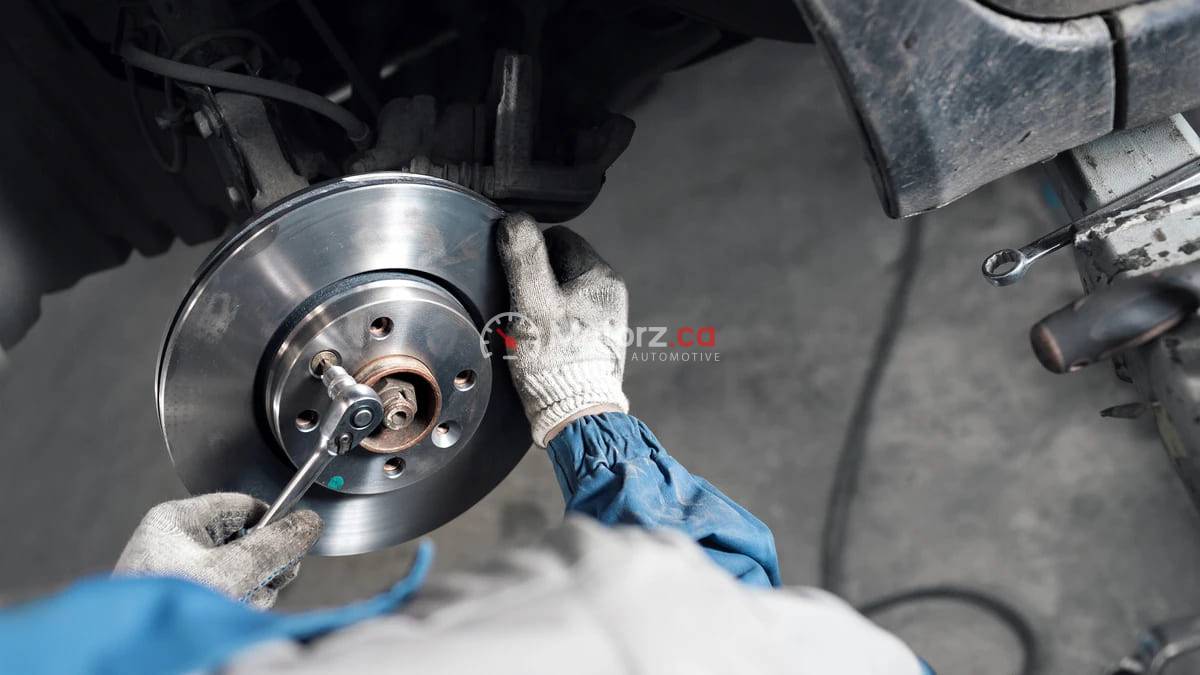
High-Pitched Squealing: This is actually a built-in safety feature. Most brake pads have a small metal tab called a “wear indicator” that screeches against the rotor when the pads are 80% worn out. It’s the car’s way of saying, “Change me now before I get expensive.”
Grinding Metal-on-Metal: This means you’ve moved past the warning stage. The pad material is gone, and you are grinding the metal backing plate against the rotor. This requires immediate replacement of both pads and rotors.
The “Spongy” Pedal
If your brake pedal feels soft or sinks to the floor, you likely have air in the brake lines or a leak in the master cylinder. In 2026 models with regenerative braking (found in EVs and hybrids), this can also indicate a software calibration issue.
Insight: Check your brake fluid reservoir. If the fluid is dark brown or black, it has absorbed moisture and needs a “flush” to restore firm pedal pressure.
Battery Blues: Why Your Car Won’t Start
A dead battery is a universal headache. With the rise of “parasitic draw” from modern car features like GPS, dash cams, and “always-on” cellular connectivity, batteries are working harder than ever.
Signs of an Ailing Battery
The “Slow Crank”: When you start the car, the engine sounds like it’s struggling to turn over (rur-rur-rur-vroom).
Dimming Electronics: If your headlights dim when you use the power windows, your battery or alternator is struggling to keep up with the load.
Prevention and Maintenance
Most lead-acid car batteries last 3 to 5 years. If yours is in that window, have it “load tested” at an auto parts store—most do this for free.
Pro Tip: Look for white, ashy powder on the battery terminals. This is corrosion. Cleaning it with a mixture of baking soda and water can often “fix” a car that refuses to start by restoring a solid electrical connection.
Steering and Alignment: Pulling to One Side
If you find yourself constantly “fighting” the steering wheel to stay in your lane, you are dealing with an alignment or tire issue. This is more than just a nuisance; it’s a silent thief that eats your tires and kills your fuel economy.
Why It Happens
Hitting a single deep pothole or curbing a wheel can knock your suspension out of its precise factory settings.
Uneven Tire Pressure: Before assuming you need a 150-unit alignment, check your tire pressure. If the front-left tire is 10 PSI lower than the right, the car will naturally pull to the left.
The “Shakes”: If the steering wheel vibrates at high speeds, your wheels are likely “out of balance,” meaning the weight isn’t distributed evenly around the tire.
The Solution
Rotate your tires every 10,000 kilometers and ask for an alignment check. In 2026, many vehicles feature Electronic Power Steering (EPS) that can sometimes “drift” if the system’s sensors aren’t calibrated. A quick electronic reset at the shop often solves the problem.
Climate Control Failures: Weak AC or Bad Smells
In the height of summer or the depths of winter, a failing HVAC system is the ultimate comfort killer. Drivers usually complain that the air “just isn’t cold” or that the vents smell like a locker room.
The “Stinky Vent” Syndrome
A musty, moldy smell when you turn on the AC is caused by bacteria building up on the evaporator core.
The Fix: Replace your cabin air filter. This is a 20-unit part that most drivers can change themselves in five minutes. If the smell persists, use a specialized AC disinfectant spray through the external air intake.
Weak Cooling
If the air is blowing but not cold, you likely have a slow refrigerant leak. Modern systems use R-1234yf refrigerant, which is better for the environment but more sensitive to pressure drops. A professional “evac and recharge” is usually required to find the leak and restore the chill.
Becoming a Proactive Driver
Most vehicle complaints start as small, quiet “suggestions” from your car. By listening to those early squeaks, checking your fluids monthly, and owning a basic code reader, you transform from a frustrated driver into a capable troubleshooter.
The “Corner Wrench” philosophy is simple: Maintenance is always cheaper than repair. Pay attention to the top five complaints today, and you’ll keep your vehicle on the road and your repair budget in the green for years to come.