

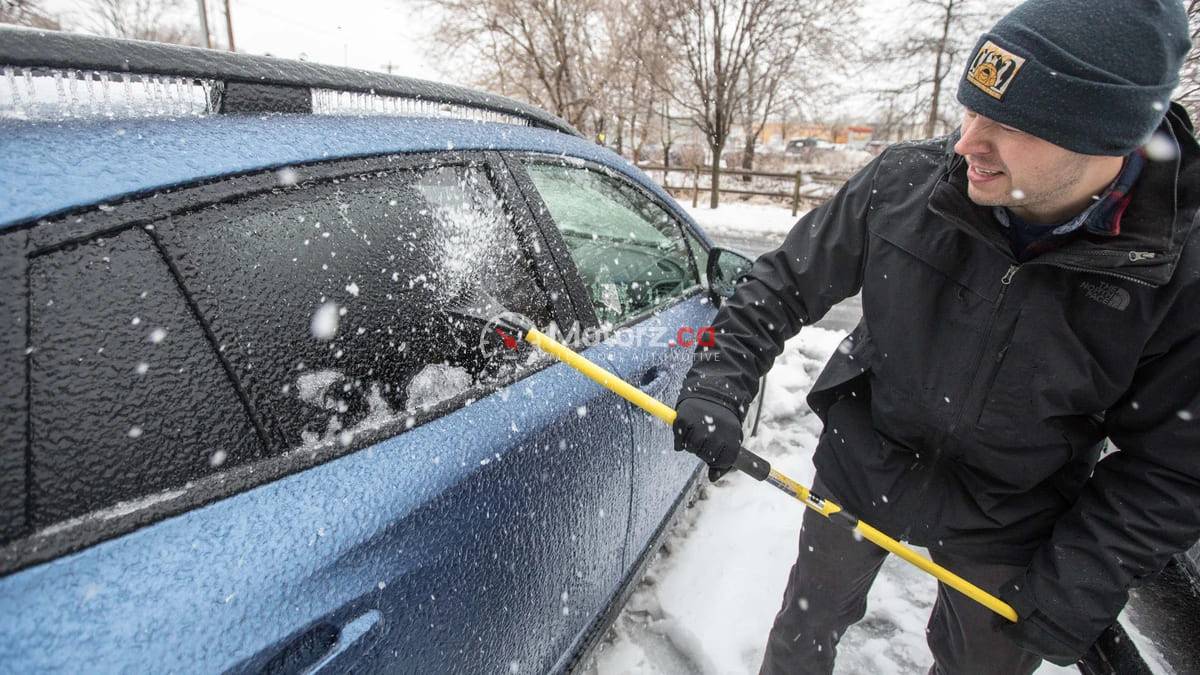


The first warm breeze of spring is a welcome relief for drivers, but for your Winter Detox, the battle is just beginning. Throughout the winter months, your car has been subjected to a relentless assault of road salt, liquid brine, sand, and freezing slush. While the snow may have melted, the chemical residue left behind is a ticking time bomb for rust and corrosion.
Many car owners make the mistake of thinking a quick trip through an automatic car wash is enough to “wash away” the winter. In reality, road salt is insidious; it hides in the crevices of your undercarriage, inside wheel wells, and behind door seals where a standard wash cannot reach. To truly protect your investment, you need a comprehensive winter detox.
In this Troubleshooter guide, we will walk you through the ultimate spring cleaning process. We will explore why road salt is so destructive, how to deep-clean your undercarriage at home, and the essential steps to neutralize winter damage before it turns into permanent decay.
The Science of Salt: Why Winter Detox is So Dangerous
To understand why a deep clean is necessary, you have to understand the chemistry of modern road treatments. Most municipalities no longer use just rock salt; they use liquid brine solutions (like magnesium chloride or calcium chloride).
The “Sticky” Problem
Liquid brine is designed to stick to the road so it doesn’t blow away. Unfortunately, this means it also sticks to your car’s metal components with incredible tenacity. Unlike traditional salt, which might bounce off, brine forms a film that attracts moisture from the air, creating a constant state of oxidation (rust) even on dry days.
Galvanic Corrosion
When salt water gets trapped between two different types of metal (like a steel bolt in an aluminum engine block), it acts as an electrolyte. This triggers galvanic corrosion, which can “weld” bolts in place, making future repairs nearly impossible and compromise the structural integrity of your frame.
The Undercarriage Deep Clean
The most critical part of washing the winter out of your ride is the part you can’t see. Your frame, brake lines, and fuel lines are the most vulnerable to salt damage.
The Low-Pressure Flush
While it is tempting to use a high-pressure power washer, you must be careful. High pressure can actually force salt crystals deeper into electrical connectors or past grease seals.
The Method: Use a garden hose with a high-quality spray nozzle. Focus on the “pockets” behind the wheels and the flat surfaces of the frame rails.
Under-Car Sprinklers: A great “hack” for home cleaning is to place a lawn sprinkler under the center of your car. Let it run for 10 to 15 minutes, moving it periodically from the front to the back of the vehicle.
Cleaning the Wheel Wells
Wheel wells are “salt traps.” Reach behind the lip of the fender—this is where mud and salt accumulate, eventually causing the dreaded “fender rust.” Use a soft-bristled brush to agitate the area while rinsing with plenty of water.
Neutralizing the Salt
Water alone isn’t always enough to break the ionic bond of road brine. To truly neutralize the corrosive effects, you may need a specialized salt neutralizer.
Using Salt-Away or Vinegar Solutions
There are commercial products designed to chemically neutralize salt on contact. If you don’t want to buy a specialty product, a very mild solution of white vinegar and water (about 1 part vinegar to 20 parts water) can help break down salt deposits.
Note: If using a vinegar solution, ensure you rinse the area thoroughly with plain water afterward, as vinegar is mildly acidic.
Target the “Brake Dust” Slurry
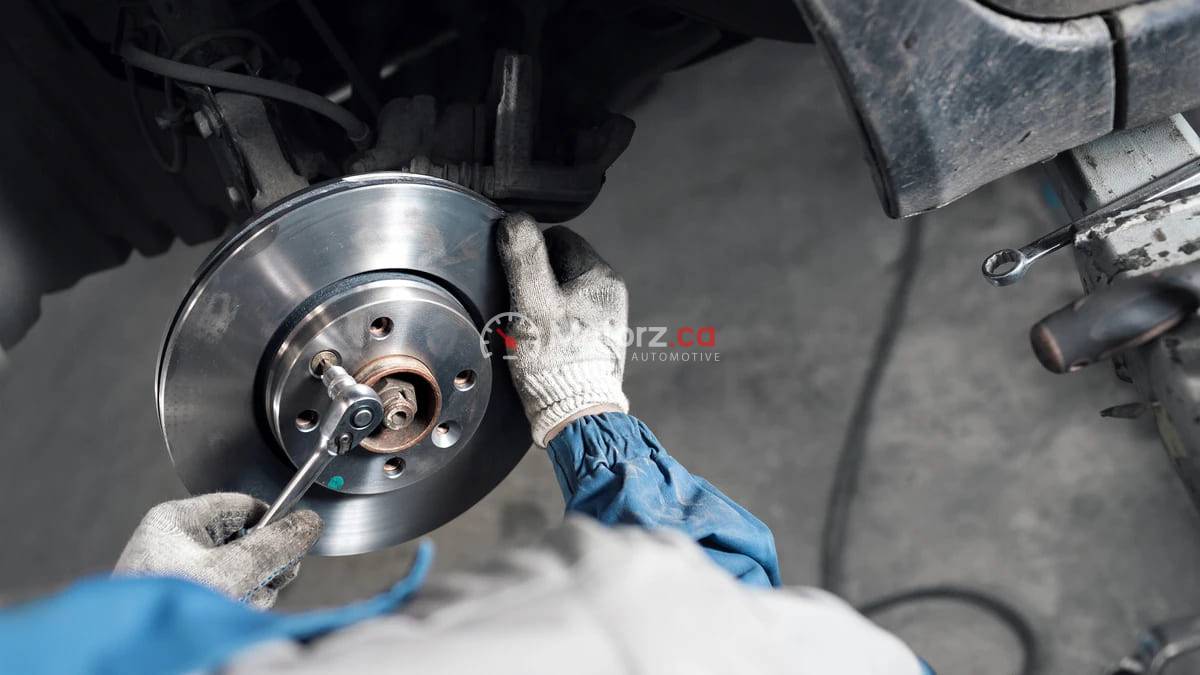
During winter, road salt mixes with metallic brake dust to create a highly corrosive paste on your rims. Use a dedicated, pH-balanced wheel cleaner to break this bond. This prevents the “pitting” of alloy wheels and keeps your brake calipers from sticking.
Interior De-Salting
We often track winter inside the car on our boots. That white, crusty stain on your black carpets isn’t just ugly; it can eventually rot the floorboards from the inside out.
Removing Salt Stains from Carpet
Standard vacuuming won’t remove salt crystals that have dissolved into the fibers.
Mix: Create a 50/50 solution of warm water and white vinegar.
Spray: Lightly mist the salt-stained area.
Agitate: Use a stiff brush to lift the salt to the surface.
Blot: Use a dry microfiber towel or a shop-vac to suck the moisture out.
Repeat: You may need to do this several times until the white “crust” disappears.
Rubber Mat Maintenance
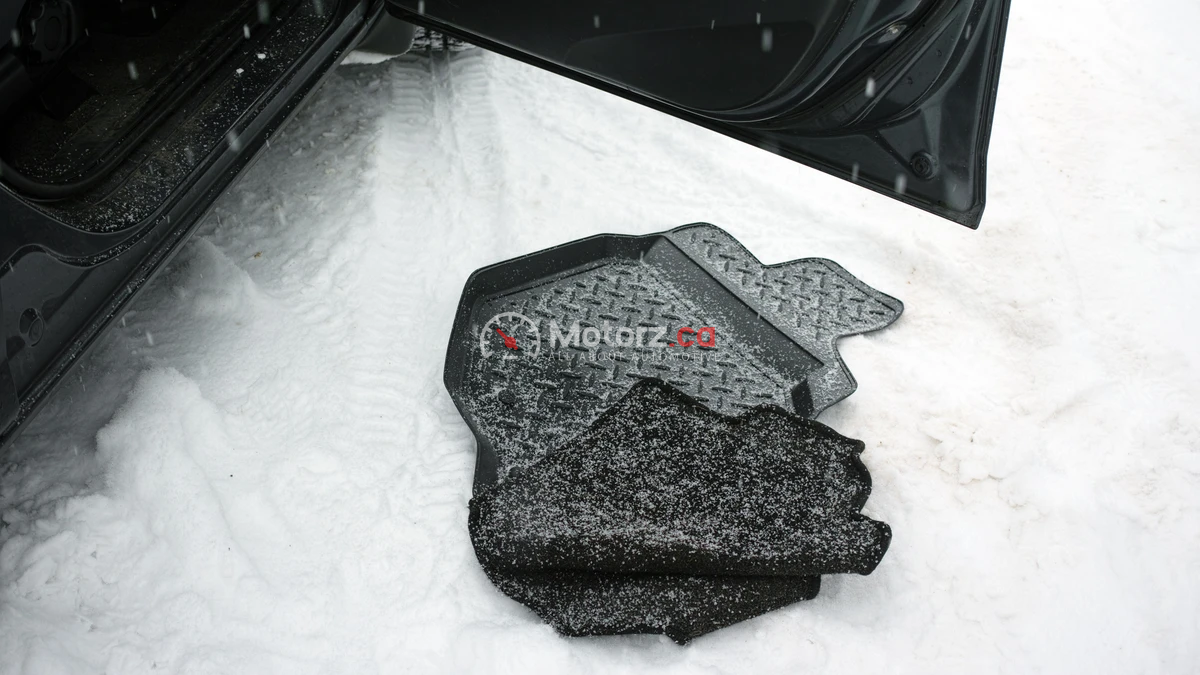
If you use All-Weather rubber mats, take them out and scrub them with a degreaser. Salt can make rubber dry and brittle over time. Applying a non-slip rubber protectant will keep them looking new and prevent cracking.
Inspecting for Winter Battle Scars
Once the car is clean and dry, it is time for a “post-winter” inspection. Cleaning the car gives you the perfect opportunity to spot minor issues before they become major expenses.
Check the Glass
Look for “star” chips in the windshield caused by road sand and gravel. Temperature swings in spring can cause a tiny chip to turn into a massive crack across the entire windshield. Fixing a chip early is much cheaper than a full glass replacement.
Inspect the Paint
Winter sand acts like a sandblaster on your front bumper and rocker panels. Look for “nicks” in the paint. Use a touch-up paint pen to seal these tiny spots. If left exposed, these small nicks will become the starting points for rust bubbles by next winter.
Wiper Blade Replacement
Winter ice is brutal on the thin rubber edge of your wiper blades. If your wipers are streaking or “chattering” after the first spring rain, replace them immediately. Modern beam-style blades are the best choice for year-round visibility.
Protect Your Investment
Washing the winter out of your ride is more than just a cosmetic chore; it is an essential part of automotive longevity. Road salt is a quiet predator that works 24 hours a day to dissolve your vehicle’s metal components. By taking the time to perform a thorough undercarriage flush, neutralizing salt deposits, and deep-cleaning your interior, you are adding years to the life of your car.
Spring is the season of renewal. Give your vehicle a fresh start by stripping away the chemical remains of winter. Your car will look better, drive safer, and hold its resale value much longer.