



If you drive a modern diesel Winter Survival, you already know the sinking feeling of seeing a warning light on a sub-zero morning. But when that light is accompanied by a message about your Diesel Exhaust Fluid (DEF), it can trigger a special kind of anxiety. In extreme cold, DEF doesn’t just get slushy—it freezes solid.
Because modern emissions systems are legally required to be functional for the vehicle to operate, a frozen DEF tank can feel like a ticking clock. Will the car start? Will it enter “Limp Mode”? Do you need to crawl under the chassis with a hair dryer?
The good news is that engineers anticipated Winter Survival. In this Troubleshooter guide, we will dispel the myths surrounding frozen DEF, explain the “thaw logic” built into your engine, and give you the essential tips to prevent cold-weather downtime.
The Science Winter Survival: When and Why DEF Solidifies
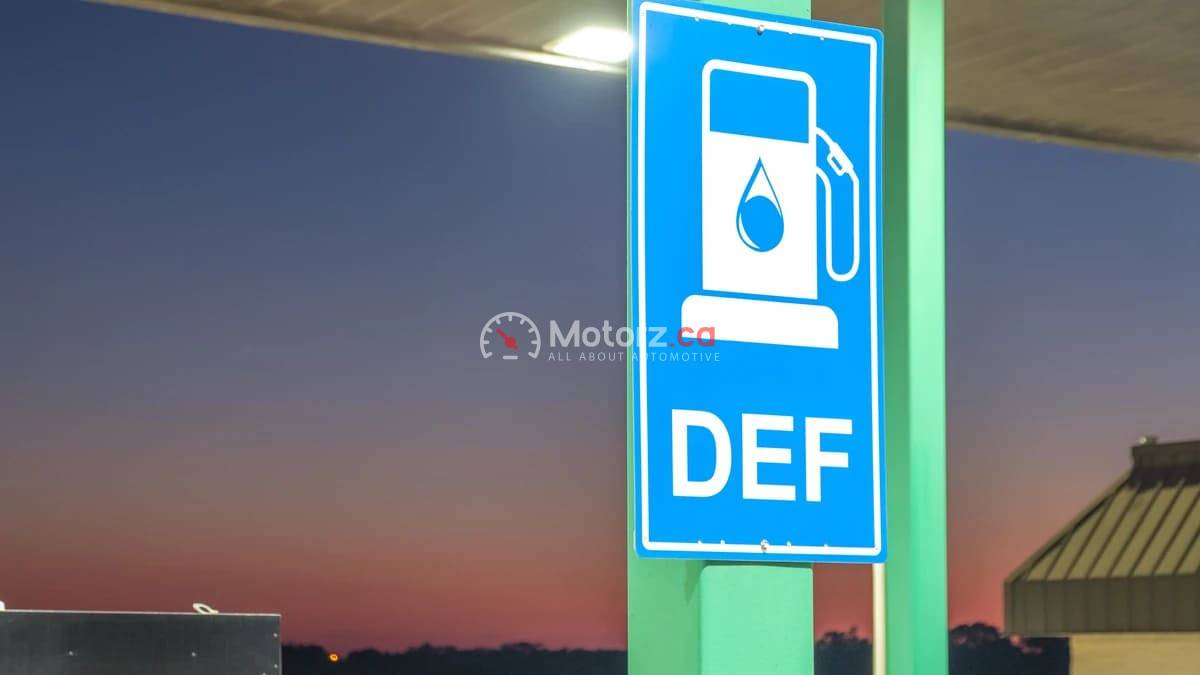
Diesel Exhaust Fluid is a remarkably simple mixture: 32.5 percent high-purity urea and 67.5 percent deionized water. Because it is mostly water, it is highly susceptible to the cold.
The Magic Number: 12 Degrees
Unlike diesel fuel, which “gels” at varying temperatures depending on the blend, DEF has a very specific freezing point. It turns into a solid at 12 degrees Fahrenheit (-11 degrees Celsius).
The Slush Phase: As the temperature approaches this mark, you may notice the fluid looking cloudy or “milky.” This is simply the urea beginning to crystallize.
The Expansion Factor: Just like ice in a bottle, DEF expands by about 7 percent when it freezes. This expansion is the primary reason why “overfilling” in the winter is a recipe for a cracked storage tank.
Does Freezing Ruin the Fluid?
This is the most common concern for diesel owners, and the answer is a resounding no. DEF is specifically formulated so that the urea and water freeze and thaw at the same rate. Once the fluid returns to a liquid state, its concentration remains exactly 32.5 percent. You do not need to drain “old” frozen DEF or worry about its chemical integrity.
How Your Vehicle Handles the “Frozen Block”
If you turn the key and the ambient temperature is 5 degrees, your DEF tank is essentially a giant ice cube. So why does the truck still start?
The Built-in Heating System
Modern Selective Catalytic Reduction (SCR) systems are equipped with internal heaters. Most pickups use electric heating elements inside the tank and along the delivery lines, while heavy-duty trucks often use engine coolant loops to circulate heat through the DEF reservoir.
The Grace Period: Your engine computer (ECM) knows the fluid is frozen. Federal regulations allow for a “thaw period”—usually around 20 to 40 minutes—where the vehicle can run legally without injecting DEF. This gives the internal heaters time to liquefy enough fluid to begin the injection process.
The Danger of the “Quick Start”
The most common mistake is starting the truck and immediately hitting the highway at high speeds. In extreme cold, the wind chill on the exposed DEF lines can keep them frozen even if the tank is thawing. A gentle warm-up period is your best defense against a “Low Pressure” fault code.
Dealing with Frozen Storage and Totes
If you keep 2.5-gallon jugs or 330-gallon totes on your property, winter requires a different management strategy than the summer months.
Avoid the “Add-On” Temptation
Never add antifreeze, anti-gel, or any other chemicals to your DEF. There is no such thing as “Winter Grade” DEF. Any additive will contaminate the fluid and potentially destroy your SCR catalyst, a repair that can cost upwards of 5,000 units.
The Thaw Process for Bulk Storage
If your bulk tote is frozen solid, you simply have to wait.
Do not use open flames: Using a torch on a plastic tote is a fire hazard and can degrade the urea.
Use Heat Blankets: If you must have the fluid ready immediately, invest in a specialized 110v insulated heater blanket designed specifically for DEF totes. These maintain a steady, safe temperature without scorching the fluid.
Proactive Tips to Prevent Winter DEF Headaches
You can’t change the weather, but you can change how your vehicle reacts to it. Follow these three “Golden Rules” for winter diesel operation:
The 75 Percent Rule
During the summer, you might fill your DEF tank to the brim. In the winter, stop at three-quarters full. This leaves 25 percent of the tank as “expansion space.” If the tank is 100 percent full and the fluid expands by 7 percent, the pressure can pop the seams of the plastic tank or damage the internal pump assembly.
The 60-Second Shutdown
When you park your truck for the night in freezing temperatures, don’t just kill the engine and walk away. Many modern diesels have a purge cycle. After the key is turned off, the pump runs in reverse for about 60 seconds to suck the fluid out of the lines and back into the heated tank. If you disconnect the battery or interrupt this process, fluid stays in the lines, freezes, and creates a “plug” that prevents the system from starting the next morning.
Park Indoors When Possible
It sounds simple, but even an unheated garage is often 10 to 15 degrees warmer than the driveway. Keeping the vehicle out of the wind can be the difference between a “frozen solid” tank and a “slushy” one that thaws in half the time.
Don’t Let the Cold Stall Your Drive
Frozen DEF is an inevitable part of winter diesel ownership, but it doesn’t have to be a disaster. By understanding that your vehicle is designed to thaw itself, avoiding the temptation to use harmful additives, and leaving room for expansion in your tank, you can navigate the coldest months with confidence.
The “DEF Blues” are usually just a matter of patience. Give your heaters time to work, keep your lines purged, and remember: as long as the fluid is pure, it will be as good as new the moment it turns back into a liquid.