
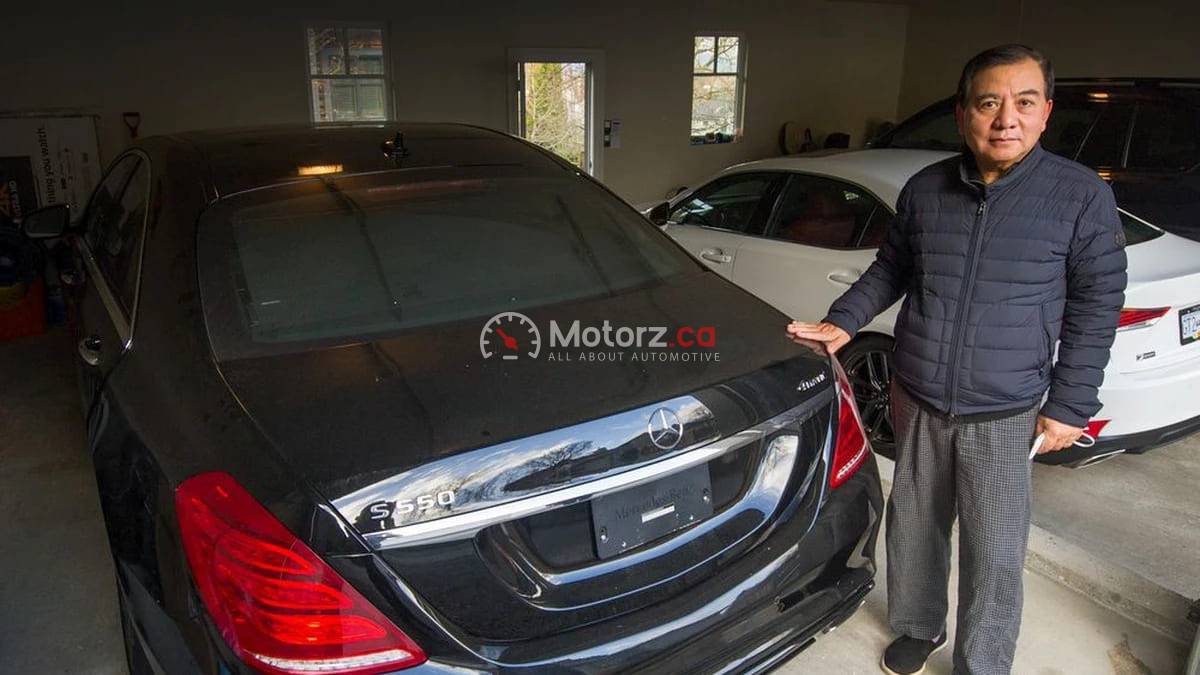

Buying a used car can feel like a high-stakes game of poker. The exterior is polished to a mirror shine, the interior smells like “new car” spray, and the seller insists the vehicle was “only driven to church on Sundays.” But beneath that gleaming hood could lie a mechanical nightmare—a failing transmission, a rusted frame, or flood damage hidden behind pristine upholstery.
This is where a Pre-Purchase Inspection (PPI) becomes your greatest ally. For a small upfront cost, a professional mechanic acts as your private investigator, uncovering the secrets a seller might not even know (or might be trying to hide).
Whether you are buying from a private party or a used car dealership, skipping this step is the most expensive mistake a car buyer can make. In this guide, we will explore why a PPI is essential, what it covers, and how it can save you thousands of units in the long run.
What Exactly is a Pre-Purchase Inspection?
A Pre-Purchase Inspection is a detailed physical and mechanical assessment conducted by a qualified third-party technician. Unlike a standard “safety check” or a government emissions test, a PPI is designed to give a comprehensive overview of the vehicle’s current condition and its likely future needs.
The Objective Perspective
When you look at a car, you see the color, the leather seats, and the tech features. When a mechanic looks at a car, they see gaskets, belt tensioners, and suspension bushings. A PPI removes the “emotional” element of the car-buying process and replaces it with cold, hard data.
Who Performs the Inspection?
Ideally, you should take the vehicle to an independent shop or a brand-specific specialist rather than the seller’s preferred mechanic. If you are buying a complex German luxury car, for example, a mechanic who specializes in European imports will know exactly which specific sensors or seals are prone to failure on that model.
Uncovering Hidden Mechanical Gremlins
Most used cars are sold “As-Is.” This means the moment you sign the title and hand over the money, every problem that car has—or will have ten minutes later—is now your financial responsibility.
Engine and Transmission Health
These are the two most expensive components of a vehicle. A PPI includes:
Diagnostic Scanning: A mechanic will plug into the car’s computer (OBD-II port) to check for “pending” codes. Sometimes, a seller will clear a “Check Engine” light right before you arrive; a scan can reveal if the computer monitors haven’t reset yet.
Fluid Analysis: Burned-smelling transmission fluid or “milky” oil can indicate catastrophic internal failure or a blown head gasket.
Leak Detection: Not all leaks hit the ground. A mechanic can spot “seepage” around the timing cover or water pump that could lead to an overheating engine in a few months.
The Undercarriage: The Zone of Neglect
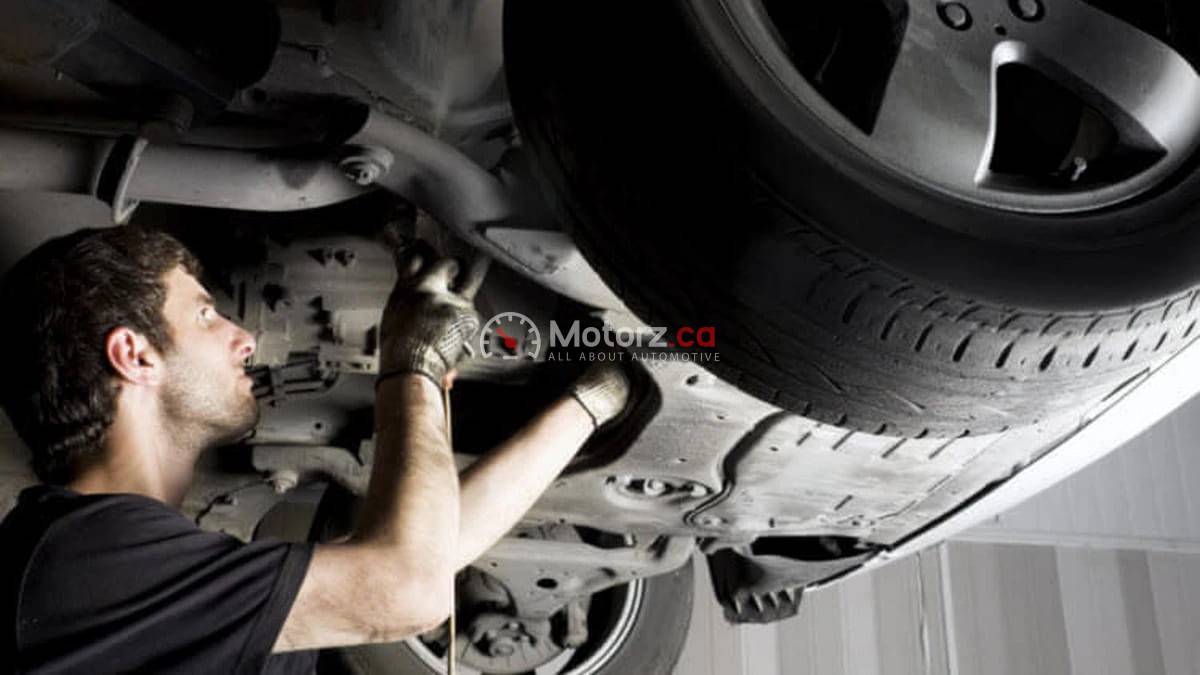
Most buyers never look under the car. A PPI technician will put the car on a lift to inspect:
Structural Rust: Surface rust is common, but deep, flaky rust on the frame or suspension mounts can make a vehicle unsafe to drive.
CV Boots and Axles: Torn rubber boots lead to grease loss and axle failure, a common and costly repair on front-wheel-drive cars.
Exhaust System: Holes in the exhaust or a missing catalytic converter are major red flags that will prevent the car from passing future inspections.
Identifying Previous Accident Damage
A clean vehicle history report (like CARFAX or AutoCheck) is helpful, but it is not infallible. If an owner had a fender-bender and paid for the repairs out of pocket without involving insurance, the accident will never show up on a report.
Signs of Hidden Repairs
A professional PPI technician is trained to look for “body shop secrets”:
Mismatched Paint: Using a paint depth gauge, they can tell if a panel has been repainted or filled with body filler (Bondo).
Overspray: Finding traces of paint on rubber seals or plastic trim is a dead giveaway that the car was in a spray booth.
Non-Factory Welds: If a mechanic sees messy or non-standard welds on the frame rails, it is a sign that the car was involved in a significant collision and “straightened” back out.
The Power of Negotiation
A Pre-Purchase Inspection isn’t just a safety net; it is a powerful negotiating tool. Information is leverage in any financial transaction.
Turning “Red Flags” into Savings
Let’s say you are looking at a car priced at 10,000 units. The PPI comes back and says the car is generally solid, but it needs new brakes and a set of tires within the next 3,000 miles—repairs that will cost roughly 1,200 units.
The Result: You can go back to the seller and say, “I want to buy the car, but the inspection shows it needs 1,200 units of immediate maintenance. Can we adjust the price to 8,800 units?”
The Outcome: Most reasonable sellers will agree to a price drop or offer to have the repairs done themselves before the sale. In this scenario, the 150-unit cost of the inspection just saved you over 1,000 units.
Peace of Mind for Your Family
If the car you are buying is intended for a teenager, a spouse, or as a long-distance commuter, safety is the primary concern.
Brake and Suspension Integrity
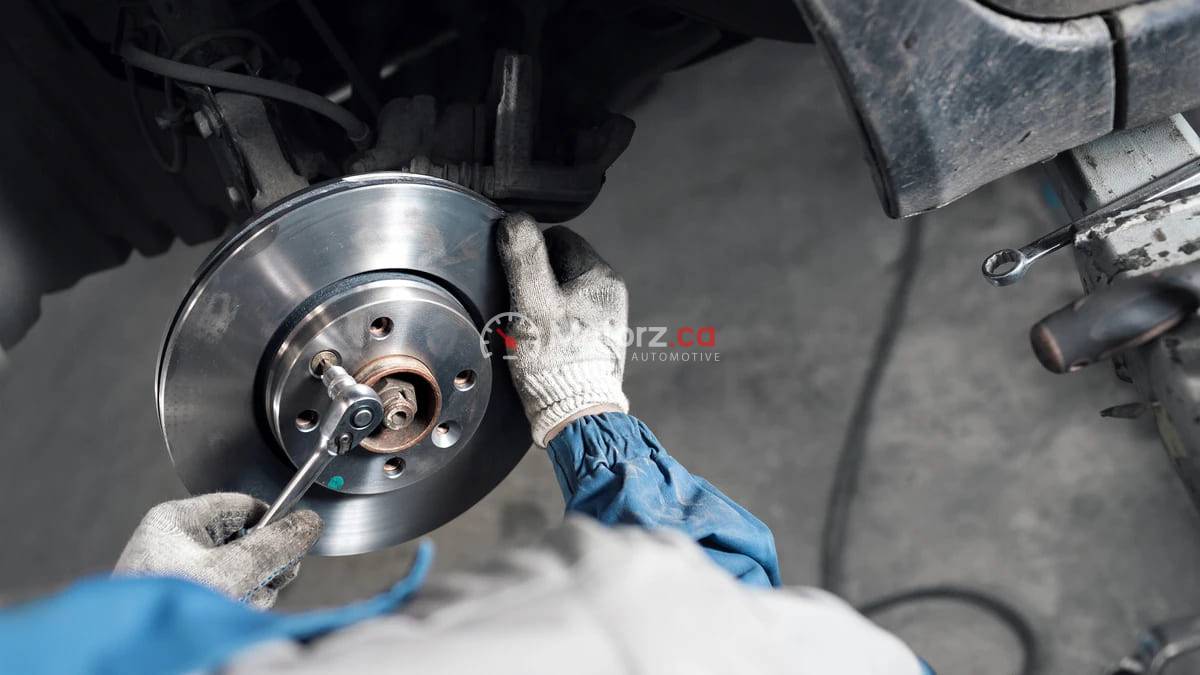
During a PPI, the mechanic will measure the remaining thickness of the brake pads and rotors. They will also check the struts and shocks for leaks. A car that “bounces” or pulls to one side during the PPI test drive could have worn suspension components that compromise your ability to steer or stop in an emergency.
Safety System Checks
A PPI ensures that the airbag light isn’t just taped over and that the seatbelt pretensioners haven’t been deployed. These are life-saving technologies that must be in perfect working order.
What if the Seller Refuses a PPI?
If a seller—whether a private individual or a dealership—refuses to let you take the car for an independent inspection, walk away.
There is no legitimate reason for a seller to block a PPI unless they are hiding a defect they know will be discovered. A reputable seller should be confident in the vehicle they are selling. Even if they don’t want the car to leave the lot, there are mobile PPI services where the mechanic comes to the vehicle to perform the check. If they say no to that, you have your answer: the car is a lemon.
Long-Term Financial Planning
Even if a PPI comes back “clean,” it will often include a list of “future maintenance.” For example, the mechanic might note that the timing belt is due for replacement in 10,000 miles.
This allows you to budget for the vehicle properly. Instead of being blindsided by a 1,500-unit repair six months after buying the car, you know exactly what the “true cost of ownership” will be for the first year.
The Most Important Step in Car Buying
Buying a car is the second-largest purchase most people make, second only to a home. You wouldn’t buy a house without a home inspection, so why would you buy a car without a mechanical one?
A Pre-Purchase Inspection provides clarity in an industry often clouded by sales tactics and hidden histories. It protects your wallet, ensures your safety, and provides the ultimate peace of mind. Before you sign that check, send the car to a pro. If it’s a great car, you’ll know it. If it’s a lemon, you’ll be glad you found out before it was yours.