The Audi A6 e-tron and Tesla Model S no longer form a straightforward comparison between two continuing new-car production programmes. Audi Canada presents a 2027 A6 e-tron, while Tesla's Q2 2026 update says its Model S and Model X manufacturing lines were decommissioned. The useful question is how the newer Audi compares with the Model S benchmark—not which deserves a universal crown.
Production status changes the comparison
Tesla's Q2 2026 investor update, pages 3 and 6, documents the manufacturing change. That does not establish that every remaining inventory vehicle has been sold, that Canadian used examples are unavailable, or that owner support has ended. Those are separate claims requiring separate evidence.
For a Canadian buyer, compare a specified Audi configuration with an identified Model S year and version. A historical model name is not enough to select a range rating, charging capability or warranty position.
What Audi Canada publishes for 2027
The 2027 Canadian A6 e-tron page lists up to 579 km of NRCan-estimated range for the ultra configuration. Its quattro performance figures include up to 456 hp with launch control and a manufacturer-claimed 0–100 km/h time of 4.5 seconds with launch control. Those figures must not be combined into one fictional trim.
Audi also advertises DC charging up to 270 kW and an approximately 21-minute 10–80% charging time under its specified conditions. Peak power alone cannot establish the duration of an actual trip stop.
Charging needs a like-for-like basis
Tesla's Canadian Supercharging guidance describes charging capability up to 250 kW for Model S on applicable North American infrastructure. This is not a guarantee for every older Model S, battery state or charging location. Identify the actual vehicle before comparing it with Audi's current headline figure.
The important comparison is usable route coverage and a compatible charging setup, not simply 270 versus 250. Starting charge, battery temperature, charger availability and the desired departure charge all affect the practical question. Motorz.ca has not carried out a controlled charging test between these vehicles.
A more useful Canadian shopping checklist
- Record the model year, trim, wheel specification and test basis beside each range number.
- Check the actual new or used vehicle's equipment and charging compatibility.
- Obtain a current quotation rather than assuming historical list prices still apply.
- Separate manufacturer specifications from verified condition and remaining coverage on a used example.
See the electric-vehicle hub for related ownership resources. This comparison awards no driving winner and makes no claim of first-hand road testing.
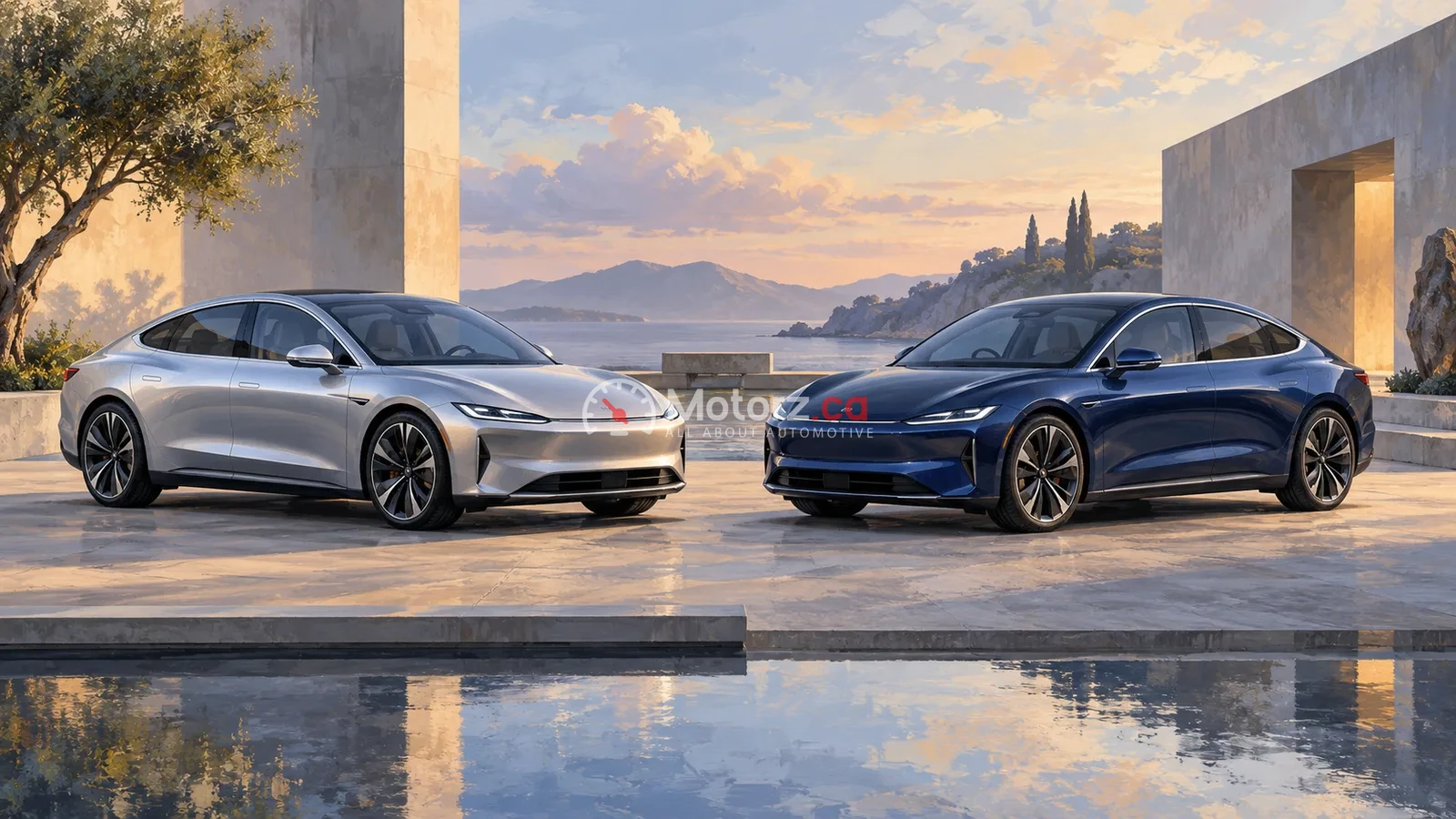
Image disclosure: AI-generated conceptual illustration. Not exact Audi or Tesla vehicles or evidence of a road test.