


Winter is more than just a season of holiday cheer and hot cocoa; for your vehicle, it is a high-stakes endurance test. Between the bone-chilling temperatures, corrosive road salt, and treacherous ice, your car is under constant attack. Without a proactive approach, “winter-related damage” isn’t just a possibility—it’s an expensive certainty.
From dead batteries in the Winter-Proof Your Ride to rust eating away at your undercarriage, the elements are unforgiving. However, proper winter maintenance can be the difference between a car that lasts fifteen years and one that ends up in the scrap heap at ten.
In this comprehensive guide, we will explore the essential maintenance steps you must take to protect your investment, ensure your safety, and keep your vehicle running smoothly until the spring thaw.
The Battery: Your Winter-Proof Your Ride Weak Point
If you have ever experienced the dreaded “click-click-click” on a morning when the temperature is well below freezing, you know that batteries hate the cold.
Why Batteries Fail in Winter
The chemistry inside a lead-acid battery slows down significantly as the temperature drops. At 0 Celsius, a battery loses about 30 percent of its cranking power. By the time it hits -18 Celsius, that loss jumps to 60 percent. Simultaneously, the oil in your engine thickens, requiring more power to turn the engine over. It is a perfect storm of high demand and low supply.
Maintenance Steps to Take:
The Load Test: Most auto parts stores will test your battery for free. If your battery is more than three years old, have it tested before the first frost.
Clean the Terminals: Corrosion (that white, crusty powder) acts as an insulator, preventing the alternator from fully charging the battery. Use a mixture of baking soda and water to scrub the terminals clean.
Check the Voltage: A fully charged battery should read 12.6 volts. Anything below 12.4 volts suggests it may struggle when the deep freeze hits.
Fluids and Lubrication: Keeping the Lifeblood Flowing
Cold weather changes the viscosity (thickness) of the fluids your car relies on. When fluids become too thick, they can’t circulate effectively, leading to increased friction and heat.
Engine Oil
Many modern vehicles use multi-grade oils like 5W-30. The “5W” stands for Winter. If you live in an area with extreme sub-zero temperatures, consult your owner’s manual to see if a 0W weight oil is recommended for better cold-start protection.
Antifreeze
Despite the name, coolant is vital in winter to prevent your engine block from literally cracking. Water expands when it freezes; if your coolant mixture has too much water, it can freeze and shatter the radiator or the engine block itself.
The Ratio: Aim for a 50/50 mix of antifreeze and distilled water. In extreme climates, a 70/30 mix may be necessary.
The Test: Use a cheap hydrometer to check the boiling and freezing point of your coolant.
Windshield Washer Fluid
Never use plain water in your washer reservoir during winter. It will freeze, potentially cracking the plastic reservoir or the pump. Use a winter-specific fluid rated for -30 or -40 Celsius to ensure you can clear salt spray off your glass instantly.
The War Against Road Salt and Corrosion
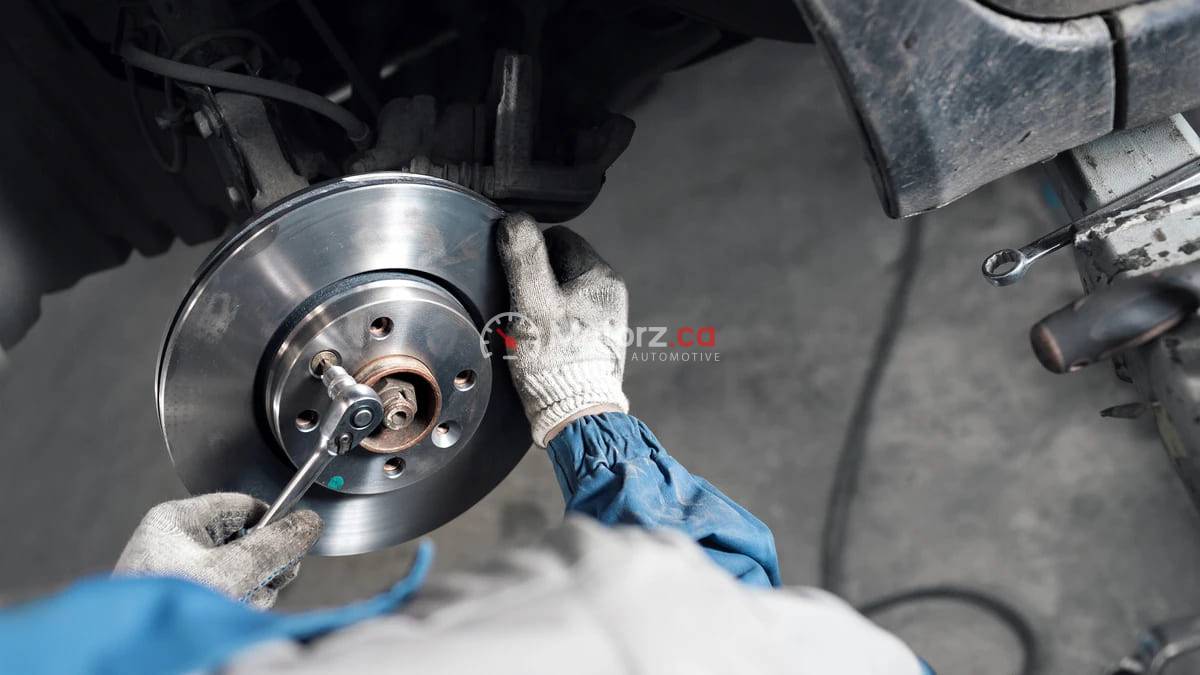
Road salt is a lifesaver for traction, but it is a silent killer for automotive metal. Salt accelerates the chemical reaction that creates rust, attacking your brake lines, exhaust system, and frame.
Underbody Protection
The most significant winter damage often happens where you can’t see it.
Wash Frequently: Do not wait for spring to wash your car. Use a car wash that offers an “undercarriage spray” to blast salt out of the nooks and crannies of the frame.
Wax and Seal: Apply a high-quality wax or ceramic coating to the paint before winter. This creates a sacrificial layer that prevents salt and grime from bonding directly to the clear coat.
Protecting the Interior
Salt isn’t just an exterior problem. As you get in and out of the car, you track salt and slush into the carpets.
Rubber Floor Mats: Replace your carpet mats with deep-ribbed rubber “all-weather” mats. These trap the liquid and salt, preventing it from soaking into the floor pan, which can cause the metal floors to rust from the inside out.
Tires: Your Only Contact with the Road
Tire pressure drops about 1 PSI for every 10-degree drop in temperature. Driving on underinflated tires in winter leads to poor handling, increased fuel consumption, and premature wear.
Winter Tires vs. All-Seasons
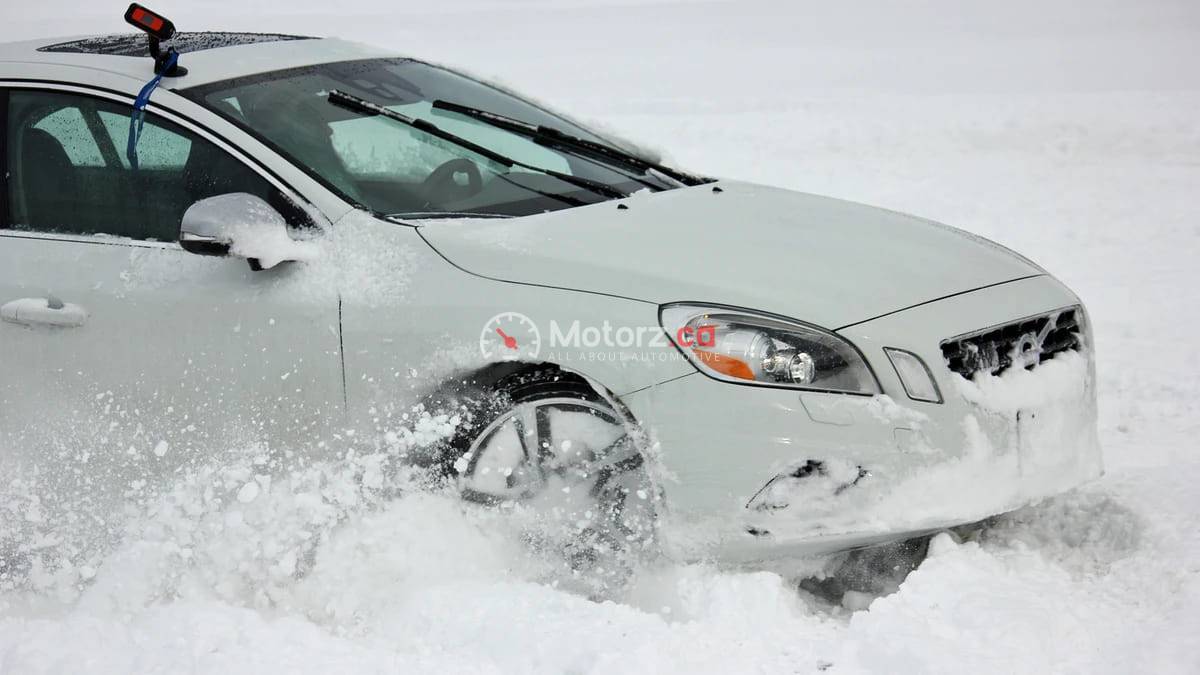
There is a common misconception that “all-season” tires are sufficient for all conditions. However, once temperatures stay consistently below 7 Celsius, the rubber in all-season tires hardens, losing its “grip.”
Winter Tires: These are made of a softer compound that stays flexible in extreme cold and features “sipes” (tiny slits) that bite into ice and snow.
Tread Depth: For safe winter driving, you need at least 4/32 of an inch of tread. The “penny test” is a quick way to check, but a dedicated tread depth gauge is more accurate.
Lighting and Visibility Maintenance
With fewer daylight hours, your lighting system is critical. Salt spray can quickly coat your headlights, reducing light output by up to 90 percent.
Headlight Clarity
If your headlights are yellowed or cloudy, they will be even less effective in a blizzard. Use a restoration kit to clear them up. Additionally, wipe your lights every time you fill up at the gas station.
Wiper Blades
Standard wiper blades have a metal “frame” that can get clogged with ice, preventing the blade from making contact with the glass.
Winter Blades: These are encased in a rubber sleeve that prevents ice buildup.
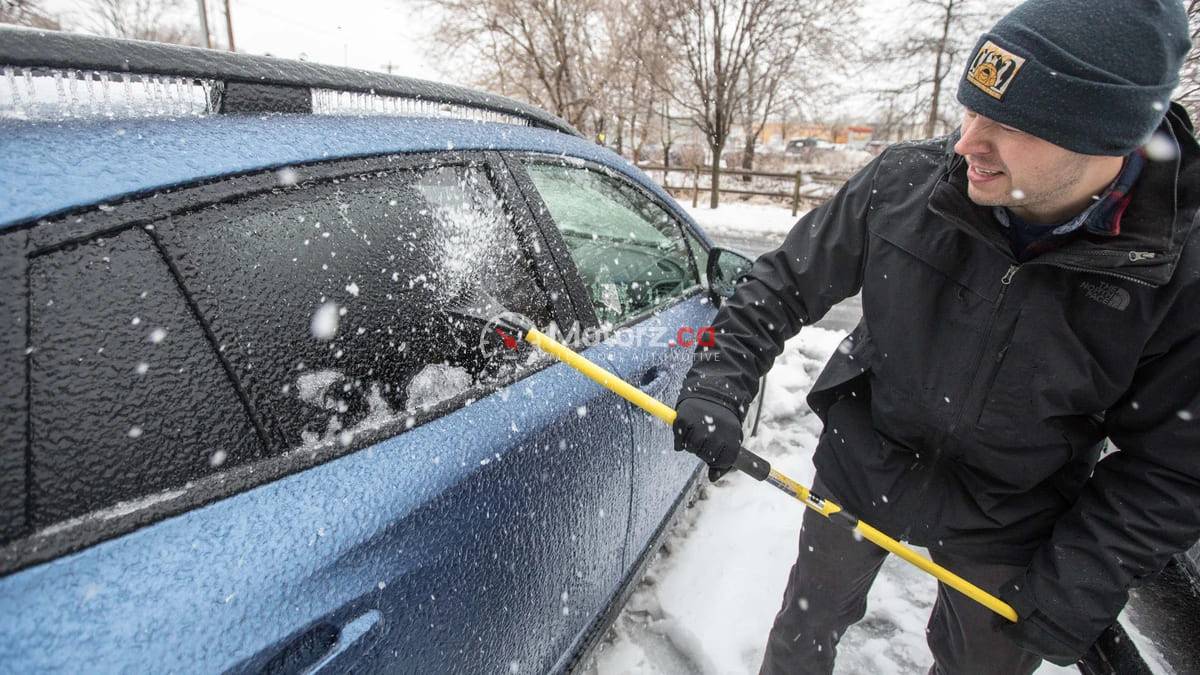
Tip: Never use your wipers to clear heavy ice from the windshield. This tears the rubber and can burn out the wiper motor. Use a scraper first.
The Emergency Winter Kit
No matter how well you maintain your vehicle, winter can be unpredictable. Mechanical failures or sliding off the road can happen to anyone.
What to Pack:
Jumper Cables or a Portable Jump Starter: Essential for battery failures.
Collapsible Shovel and Traction Sand: To get yourself out of a snowbank.
Warmth: A heavy blanket, extra gloves, and a hat.
Energy: Non-perishable snacks like protein bars and bottled water.
Light: A flashlight with extra batteries (or a hand-crank version).
The Drive: Changing Your Habits
Maintenance isn’t just about what you do to the car; it’s about how you use it.
Avoid Short Trips
In the winter, your engine takes longer to reach its optimal operating temperature. Frequent short trips (under 10 minutes) prevent the engine oil from getting hot enough to evaporate moisture and fuel contaminants. This can lead to “sludge” buildup. If you must take a short trip, try to take a longer route once a week to let everything reach full heat.
Gentle Warm-ups
Modern cars do not need to sit and idle for 15 minutes. In fact, idling too long can actually be worse for the engine. The best way to warm a car is to start it, wait about 30 seconds for the oil to circulate, and then drive gently until the temperature needle moves.
Prevention is Cheaper than Repair
The cost of a bottle of antifreeze, a set of winter wipers, and a good car wax is a tiny fraction of what you would pay for a new radiator, a rusted-out exhaust, or an insurance deductible after a slide-out.
Winter maintenance is an investment in your safety and your car’s resale value. By following the steps outlined in this guide, you are not just “surviving” the winter; you are ensuring your vehicle thrives through it. Don’t wait for the first blizzard to realize your battery is weak or your tires are bald. Take action today, and drive with confidence all season long.