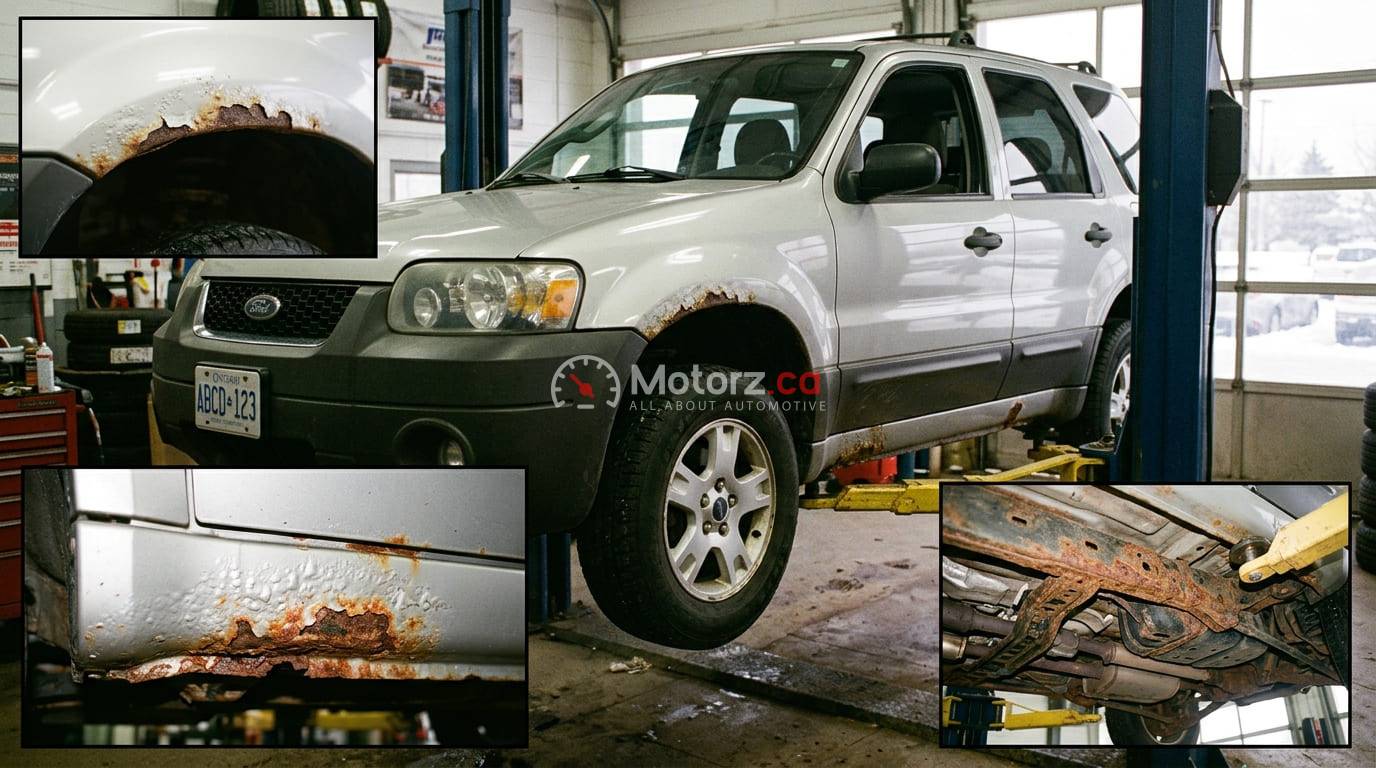
For pre-owned Ontario Used Car Rust, the open market is filled with hidden obstacles. While checking an engine code or verifying a clean interior is simple enough, there is a quiet, destructive force that destroys thousands of used vehicles across the province every year: automotive rust.
Ontario sits directly in the center of Canada’s Salt Belt, a region where freezing winter conditions require provincial transit authorities and municipalities to drop millions of tons of chemical de-icers, coarse rock salt, and liquid calcium chloride onto the roads. While these chemical compounds keep traffic moving safely through winter storms, they create a highly corrosive environment for vehicle undercarriages.
When you go out to inspect a promising used vehicle, you cannot simply trust a glossy exterior coat of wax or a pristine vehicle history report. Corrosion is an expert hide-and-seek player. It creeps inside enclosed body rocker panels, eats through critical structural suspension frames from the inside out, and hides beneath thick layers of freshly sprayed rubberized undercoating.
If you do not know exactly where to look, how to test structural metal integrity, or how to separate cosmetic surface blemishes from terminal structural decay, you risk accidentally purchasing a vehicle that cannot pass a provincial safety inspection. This ultimate master guide exposes the exact science of automotive corrosion, provides a blueprint for checking key trouble areas, and gives you the knowledge needed to protect your household savings.
The Chemistry of the Salt Belt: Why Ontario Used Car Rust
To successfully battle rust on the used car market, you need to understand exactly why vehicles in Ontario degrade so much faster than cars in western or southern regions.
The Corrosive Triple Threat
Automotive corrosion is an electrochemical reaction known as oxidation. This process occurs when iron molecules in structural vehicle steel are exposed to oxygen and moisture.
In a perfectly dry environment, this reaction happens very slowly. However, the introduction of winter road maintenance completely accelerates the process:
Traditional Rock Salt (Sodium Chloride): This compound lowers the freezing point of water to keep roads clear of ice. When dissolved by melting snow, it creates a highly conductive liquid slush. This slush gets kicked up into the vehicle’s undercarriage, establishing an electrical circuit that rapidly accelerates the breakdown of bare metal components.
Liquid Brine (Calcium Chloride and Magnesium Chloride): Modern road crews heavily rely on liquid chemical brines sprayed onto highways right before a winter storm hits. These liquid chemicals are incredibly sticky. They are specifically formulated to adhere to pavement, but they also stick to the nooks, crannies, and brake lines of a car’s undercarriage. These brines are highly hygroscopic, meaning they actively draw moisture out of the air even during dry days, keeping the corrosion process active all year round.
The Warm Garage Trap: Many drivers think they are protecting their vehicles by parking inside a heated garage during the winter. This is actually a major misconception. Chemical reactions rely heavily on ambient temperature. When a car coated in frozen, salty slush is driven into a warm garage, the ice melts into liquid water, waking up the salt molecules and speeding up the oxidation process. A car left outside in freezing temperatures actually rusts slower because the chemical reaction stalls in sub-zero conditions.
The Three Stages of Automotive Rust: Knowing Your Limits
Not all rust means a car is headed for the scrap yard. Before you walk away from a potential vehicle purchase, you must be able to classify the corrosion into one of three distinct stages to determine if the car is repairable or completely ruined.
Surface Rust (The Warning Stage)
Surface rust occurs when the top clear coat, base paint, and protective zinc e-coat primer are breached by road debris, gravel chips, or light scratches. This leaves the top layer of raw sheet steel exposed to the atmosphere.
Surface rust looks like a light reddish-brown discoloration on the metal surface. It is entirely cosmetic at this point.
If you catch surface rust early, it is simple to fix by sanding away the blemish, applying a rust converter primer, and adding a fresh touch-up coat of paint. Finding light surface rust on the hood or lower door edges of a seven-year-old vehicle is normal in Ontario and can be used as a bargaining chip to lower the purchase price.
Scale Rust (The Penetration Stage)
If surface rust is ignored, the oxidation process eats deeper into the component. Over time, the chemical reaction alters the physical structure of the steel, causing the metal to expand, bubble, and break apart into loose, brittle flakes. This is known as scale rust.
When you run your hand along a body panel afflicted with scale rust, it will feel rough and bumpy. The structural integrity of the panel is now actively degrading.
Fixing scale rust requires a professional touch: the flaking scales must be aggressively ground down with a wire wheel or abrasive media blaster to find the remaining solid metal underneath. If the scale rust has eaten too deep, the panel will become too thin to save.
Structural Rust (The Terminal Stage)
Structural rust occurs when corrosion is left unchecked to finish its destructive cycle. The metal completely disintegrates, leaving jagged holes, rotted frame rails, and crumbling body mounts.
At this stage, the steel has lost all its mechanical strength. It can no longer support weight or absorb an impact during a collision.
If a vehicle has structural rust on its main frame rails, unibody floor pans, or core suspension mounting points, it is a structural lemon. It cannot legally pass an Ontario Safety Standard Certificate inspection, and repairing it safely requires thousands of units of currency in intensive fabrication and welding. You should walk away from these vehicles immediately.
The Ultimate Rust Inspection Blueprint: Where Corrosion Hides
When you go to inspect a pre-owned vehicle, dress in old clothing and bring three essential tools: a high-intensity LED flashlight, a mechanics creep mat or large piece of cardboard to lay on, and a soft plastic trim tool or a clean rag wrapping a very weak magnet.
Outer Body Hotspots: Rockers, Wheel Arches, and Pinch Welds
Start your physical walk-around by kneeling down to inspect the lower sections of the vehicle body. These areas take the brunt of road debris kicked up by the tires:
The Rocker Panels: These are the long structural metal channels running along the bottom of the car between the front and rear wheels, directly beneath the doors. Open every door and look closely at the door sills. Check the plastic trim covers; shady sellers often use plastic ground effects or aftermarket side steps to cover up completely rotted rocker panels.
The Pinch Welds: This is the structural seam where the vehicle’s floor pan meets the side body panels. It runs along the bottom edge of the rocker panel. It is the designated spot for positioning your emergency roadside jack. If this weld seam crumbles or looks like flaky pie crust, the car is unsafe to lift and has severe structural damage.
Wheel Arches and Quarter Panels: Run your hand along the inside lip of the rear wheel arches. Road salt easily gets trapped inside this U-shaped metal channel. Look for bubbling paint on the exterior of the fender flare, which indicates that rust has already eaten its way from the inside out.
The Underbelly: Subframes, Shock Towers, and Floor Pans
Lay down on your cardboard mat and slide completely underneath the vehicle with your LED flashlight. Focus your light on the main load-bearing components:
The Engine Subframe (Cradle): In modern unibody vehicles, the engine, transmission, and front suspension steering gear are mounted onto a large removable structural frame piece called the subframe or engine cradle. In several popular vehicle models, these hollow subframes trap road salt and rot out internally while looking completely fine on the outside. Shine your light into the drainage holes of the subframe to verify the internal steel wall is thick and solid.
Shock Towers: Pop the engine hood and look deep into the rear corners of the engine bay. Inspect the raised stamped metal domes where the front suspension struts bolt onto the vehicle body. Do the same inside the rear trunk area. If you see deep pitting, flaking, or cracks around these mounting bolts, the suspension is at risk of breaking right through the body panel when hitting a pothole.
Floor Boards and Trunk Pans: Inspect the flat underbelly sheet metal directly beneath the driver and passenger seats. Look for dampness, dark stains, or soft spots. Move to the rear trunk, lift up the spare tire cover carpet, and inspect the bare sheet metal tub underneath. Water leaks from degraded taillight gaskets often pool here, causing the trunk floor to rust out completely without the owner ever realizing it.
Unmasking Shady Tricks: How Sellers Hide Severe Corrosion
The private and subprime used car markets in Ontario are highly competitive, and some dishonest vendors use clever cosmetic cover-up tactics to temporarily mask severe structural rust from casual buyers. You must train your eyes to spot these quick-fix deceptions.
The Fresh Undercoating Red Flag
One of the most common deceptive tactics is spraying a thick, pitch-black coat of cheap rubberized undercoating across a vehicle’s entire undercarriage right before listing it for sale. The seller will proudly tell you, “The vehicle has been professionally rustproofed for your protection.”
Be highly suspicious of any older, high-mileage vehicle featuring a bone-dry, pitch-black textured undercarriage spray that looks brand new.
Cheap rubberized spray undercoating dries into a hard, non-porous shell. If applied directly over pre-existing scale or structural rust without proper sandblasting preparation, the rubber layer traps salt moisture underneath against the raw steel.
The corrosion will continue to eat away at the frame out of sight, while the hard black shell maintains a clean exterior appearance. Take a soft plastic tool or gloved finger and press firmly against any suspicious black sections. If the metal underneath feels soft or crumbles like dry leaves under pressure, you are looking at a covered-up rust hole.
The Bondo and Paint Bubble Blend
If a seller wants to hide a rusted-out section on an exterior fender or door panel without investing in expensive metal welding, they will often use automotive body filler, commonly known as Bondo.
They grind away the loose rust flakes, pack the cavity with fiberglass body filler paste, sand it smooth to match the body lines, and spray over it with a color-matched aerosol can of paint. From five feet away, the repair looks completely seamless.
How to Beat Body Filler Deceptions
To expose hidden body filler, use a very weak kitchen refrigerator magnet wrapped inside a clean, soft microfiber cloth to protect the paint. Run the wrapped magnet smoothly along the wheel arches, lower door skins, and rocker panels.
Real automotive steel will exert a consistent, noticeable magnetic pull on the magnet. If the magnet suddenly falls off or loses its grip over a specific spot, you have discovered a deep pocket of plastic body filler hiding a rust hole underneath.
Mechanical Components: The Hidden Costs of Frozen Hardware
When rust attacks a vehicle, it doesn’t just damage the cosmetic body panels and structural frame rails. It also seizes mechanical assemblies and eats through vital safety lines, creating expensive mechanical repair bills right after you purchase the vehicle.
Corroded Brake and Fuel Lines
Crawl back under the vehicle and follow the long metal tubes running from the front engine bay along the driver-side frame rail back to the rear fuel tank and brakes.
Manufacturers construct these hydraulic lines out of steel. Because they sit low to the ground, they are constantly hit by road debris and soaked in salty brine.
If you see heavy pitting or flaking scales along the brake lines, the metal walls have become thin and weak. Under a sudden emergency braking situation, the high hydraulic pressure can burst the line, causing an immediate loss of braking power. Replacing a complete set of rotted under-car brake and fuel lines is a labor-intensive job that can easily run from 800 to 1500 units of currency at an Ontario repair shop.
Seized Suspension Components and Fasteners
Try to look closely at the vehicle’s suspension adjustment points, including the alignment cam bolts, tie rod ends, and rear control arm bushings. In the Salt Belt, these threaded metal fasteners often oxidize and fuse together into a solid piece of metal.
If you buy a car with completely seized adjustment fasteners, an alignment shop will not be able to adjust the steering or suspension metrics to stop uneven tire wear. To correct the issue, a mechanic will have to use an oxy-acetylene torch to cut out the old components and install brand-new control arms and links, adding unexpected costs to your purchase.
The Pre-Purchase Inspection (PPI): Your Ultimate Line of Defense
No matter how thorough you are during your personal inspection, nothing can replace the trained eye and specialized tools of an independent licensed mechanic. Investing in a professional Pre-Purchase Inspection (PPI) is your single best protection against buying a rusty vehicle.
Finding the Right Independent Garage
Never rely on a safety standard certificate provided by the seller’s personal mechanic without verifying it independently. Instead, schedule a PPI at an independent, third-party repair facility of your choice.
Inform the service advisor that the vehicle has spent its entire life in Ontario and that you want a specific focus placed on structural frame thickness and undercarriage line corrosion. A standard PPI costs between 150 and 250 units of currency, which is an outstanding insurance investment when buying an asset worth thousands.
What a Mechanic Can Do That You Can’t
A professional shop provides distinct diagnostic advantages that you cannot duplicate on a driveway:
The Commercial Two-Post Lift: Getting a car all the way up to eye level under a bright shop light allows a mechanic to view the entire undercarriage cleanly, revealing issues that are easy to miss while crawling on the ground.
The Structural Hammer Test: A experienced mechanic will use a small ball-peen hammer to tap along suspicious areas of the frame rails. Solid steel produces a clear, high-pitched metallic ring. Frame steel that has rotted internally produces a dull, hollow thud, or crumbles entirely under the hammer blow.
A Professional Estimate Tool: If the mechanic discovers repairable surface or scale rust, they can provide an immediate itemized repair quote. You can take this written quote to the seller and demand a matching price drop on the car, easily recovering the cost of the inspection.
The Ontario Safety Standard Certificate (SSC) Reality Check
There is a major misconception among used car buyers in Ontario that if a vehicle comes with a fresh, signed Safety Standard Certificate (SSC), it is completely free of dangerous rust.
Understanding the Minimum Guidelines
The Ministry of Transportation sets the minimum mechanical standards a vehicle must meet to pass a safety inspection. The guidelines regarding rust are very specific but focus strictly on core passenger safety items rather than the overall longevity of the vehicle:
A car can legally pass an Ontario safety test with completely rusted-out rear quarter panels, bubbling paint across the wheel arches, and heavy scale rust along the suspension arms—as long as the main unibody frame rails aren’t broken through and exhaust gases cannot leak into the passenger cabin.
A safety certificate is a baseline health check for the exact moment of the test, not a guarantee that the car will last through the next winter. Never use a passed safety certificate as an excuse to skip your own comprehensive rust inspection.
Your Smart Used Car Buying Plan
To make sure you never bring home a vehicle that is being eaten away by corrosion, keep this step-by-step summary plan in mind during your shopping journey:
By sticking to this structured inspection plan, you can confidently filter through the used car market, skip the shiny cosmetic cover-ups, and locate a clean, structurally solid Ontario vehicle that will safely serve your family for years to come.