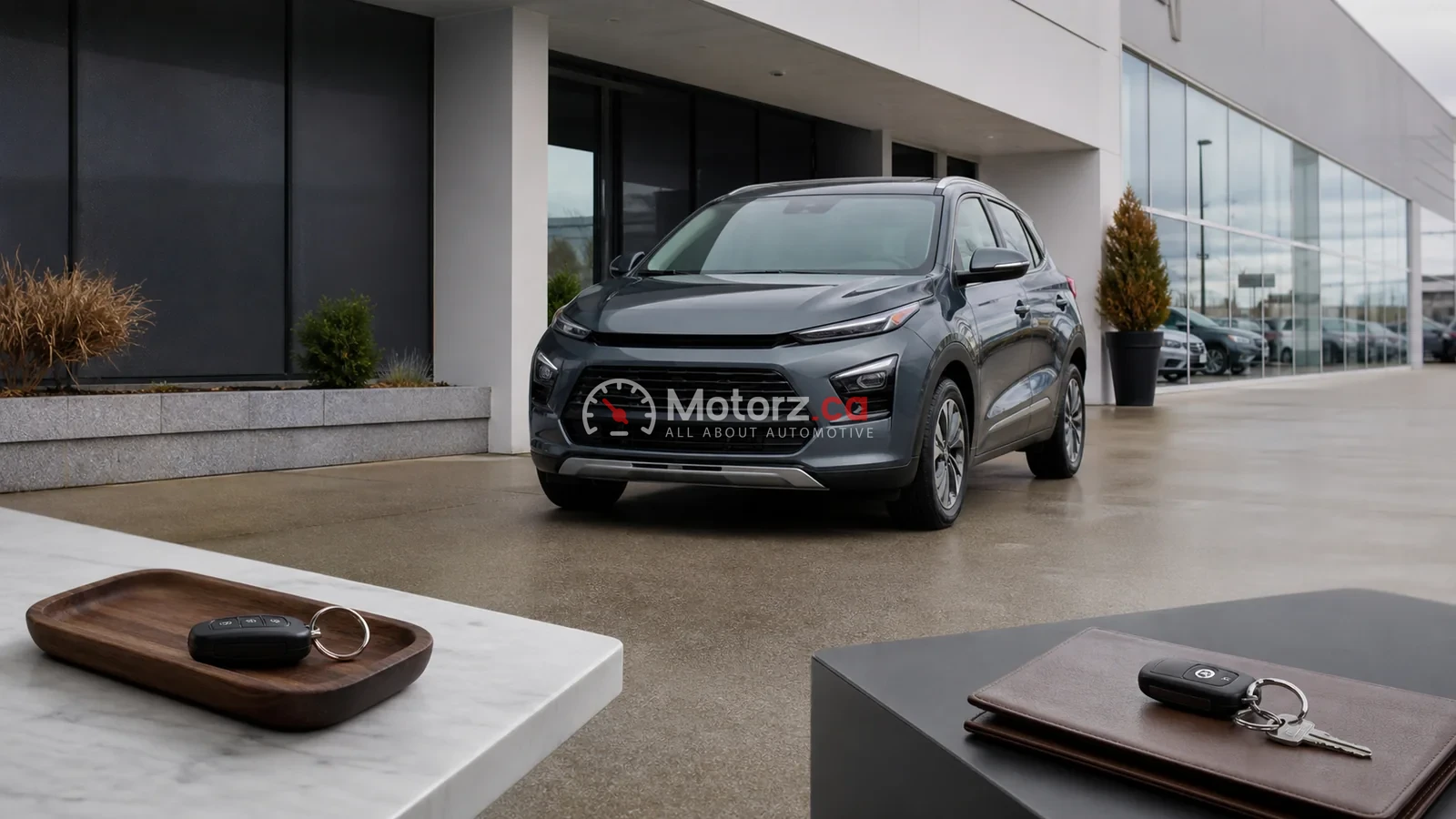
The better choice depends less on the advertised payment than on total cost, expected kilometres, contract flexibility and how long you plan to keep the vehicle.
The direct answer
Buying generally suits drivers who want to keep a vehicle for years, build ownership value and avoid lease kilometre or wear limits. Leasing can suit drivers who prefer a defined term and regularly change vehicles, provided their driving fits the contract. Compare the total amount payable, not just the monthly payment, and read every end-of-term condition before signing.
What changes when you lease instead of buy?
A financed purchase uses a loan to acquire the vehicle. Once the loan and any other secured obligations are paid, you own it outright. A lease provides the use of a vehicle for a set term, commonly with conditions covering kilometres, maintenance, damage, modifications and early termination. You normally return the vehicle when the lease ends, although a purchase option may be available under the contract.
The Financial Consumer Agency of Canada notes that lease payments may be lower than payments on a loan with the same term, but that does not establish which option costs less overall. A lease may include end-of-term charges, while a longer loan can produce a lower payment but more interest and a longer period of negative equity risk.
Compare the same numbers
Ask for written figures that let you compare like with like. Record the negotiated vehicle price, down payment or trade-in credit, interest or lease rate, term, payment frequency, taxes, mandatory fees, optional products, total amount payable and the cost of ending the agreement early.
| Question | Financed purchase | Lease |
|---|---|---|
| What do payments provide? | Progress toward owning the vehicle | Use of the vehicle during the term |
| What happens at the end? | You keep it after obligations are paid | You return it or use an available purchase option |
| What limits matter? | Lender and insurance terms while financed | Kilometres, wear, modifications and return conditions |
| What should be compared? | Total borrowing cost and future value | Total lease cost plus likely end charges |
Do not treat a down payment as a saving by itself. It reduces the amount being financed or the lease payment calculation, but it is still money paid. If a salesperson focuses only on fitting a payment into your budget, bring the discussion back to price, term and total cost.
Estimate your kilometres honestly
A lease allowance that looks comfortable can become expensive if work, family or travel patterns change. Review recent odometer records, add regular commuting and seasonal trips, then leave room for the unexpected. Ask what excess kilometres cost and whether additional kilometres can be purchased in advance. The contract—not a verbal estimate—controls the obligation.
Think about wear, customization and early exit
Drivers who carry tools, transport pets, park on crowded streets or use rough roads should examine wear standards carefully. A leased vehicle must generally be returned in the condition defined by the agreement. Ask for the inspection guide before signing, not when the vehicle is due back.
Early termination can also be costly. A job change, relocation or growing family does not automatically release you from a contract. Request the early-exit formula in writing and avoid assuming that another person can simply take over the lease. Transfer rules and approvals vary by lender.
Consider the full ownership budget
Insurance, fuel or electricity, parking, tires, maintenance and repairs continue regardless of the payment method. Warranty coverage may reduce exposure to some defects during part of a lease or loan, but exclusions and time or distance limits apply. Obtain an insurance quote for the specific vehicle and financing arrangement before committing.
If you expect to keep a vehicle well beyond the loan, ownership may provide payment-free years, although maintenance and repair costs can rise. If you value frequent replacement and predictable terms more than long ownership, a lease may fit—but only when the kilometre and return conditions match your use.
Questions to answer before signing
- How long do I realistically plan to keep this vehicle?
- How many kilometres did I drive in each of the last two years?
- What is the total amount payable under each option?
- Which optional products have been added, and can they be declined?
- What happens after a collision, early termination or job relocation?
- What are the return inspection and purchase-option terms?
Consumer-contract rules are provincial or territorial. Confirm local requirements with the applicable consumer-affairs authority. This article provides general information, not individualized financial or legal advice. For a broader vehicle decision, see Motorz.ca’s guide to choosing between a new and used car.
Run more than one ownership scenario
First establish the selling price and trade-in value, then compare payment structures. Combining those discussions can hide whether a lower payment came from a lower price, larger upfront amount, longer term or different trade allowance. If cash is due at signing, request an itemized list showing the first payment, registration, taxes, fees, optional products and any reduction applied to the lease calculation.
A three-year comparison can favour a different option from an eight-year ownership plan. Estimate what happens if you keep a purchased vehicle after the loan, return the lease, exercise a purchase option or need to exit either agreement early. Use conservative resale assumptions rather than treating a future value as guaranteed.
Test a higher-kilometre year too. Remote work, caregiving, a new commute or cross-country travel can change usage. A purchase is not free of mileage-related depreciation, but a lease can impose a specific excess-kilometre charge. If a large upfront lease payment is proposed, ask how it is treated if the vehicle is stolen or written off; the insurance policy and contract control the outcome.
Sources
- Financial Consumer Agency of Canada: Car financing options
- Office of Consumer Affairs: Buying or leasing a vehicle
Updated August 2026: Rewritten with current federal consumer guidance. Payment-only comparisons and universal savings claims were removed.