

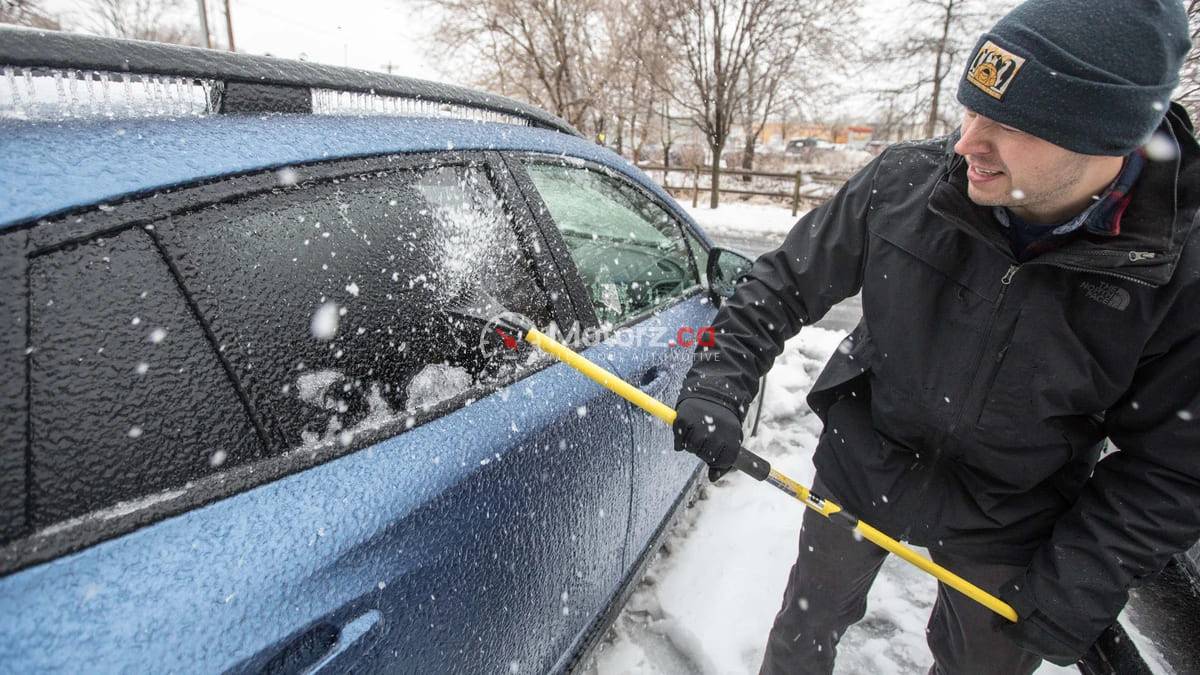



The migration of the RV Pre-Trip Checklist is a tradition as old as the highway system itself. As the first frost settles on northern driveways, thousands of adventurers prepare their motorhomes and travel trailers for the long trek toward warmer climates. Whether you are heading to the deserts of Arizona, the Gulf Coast of Texas, or the tropical shores of Florida, a cross-country trip in a Recreational Vehicle (RV) is an ambitious undertaking.
An RV is not just a vehicle; it is a house experiencing a constant earthquake as it rolls dow
n the road. Vibrations, temperature shifts, and high speeds can loosen fittings and stress mechanical systems that have been sitting dormant. If you are preparing for that long drive south, “hoping for the best” is not a strategy.
In this edition of Corner Wrench, we provide a deep dive into the mechanical, safety, and lifestyle preparations required to ensure your winter escape doesn’t end on the shoulder of an interstate.
The Mechanical Foundation: Chassis and Drivetrain
Before you worry about the kitchen sink or the satellite dish, you must ensure the platform carrying them is sound. The chassis of an RV handles immense weight, often near its maximum capacity, which places unique stress on the engine and suspension.
Engine and RV Pre-Trip Checklist
A thousand-mile journey through changing elevations requires peak engine performance.
Fluid Analysis: Don’t just check the levels; check the quality. If your transmission fluid smells burnt or looks dark brown, it needs a flush before you hit the mountains.
Belts and Hoses: Rubber components age even when the RV is parked. Look for “glazing” on belts or small cracks in radiator hoses. A burst hose in the middle of a desert stretch can be a trip-ender.
Air Filters: A clogged air filter reduces fuel economy. Since you are likely covering thousands of miles, a clean filter can save you a significant amount in fuel costs.
Braking Systems and Braking Safely
Stopping a 20,000-pound vehicle is much harder than stopping a car.
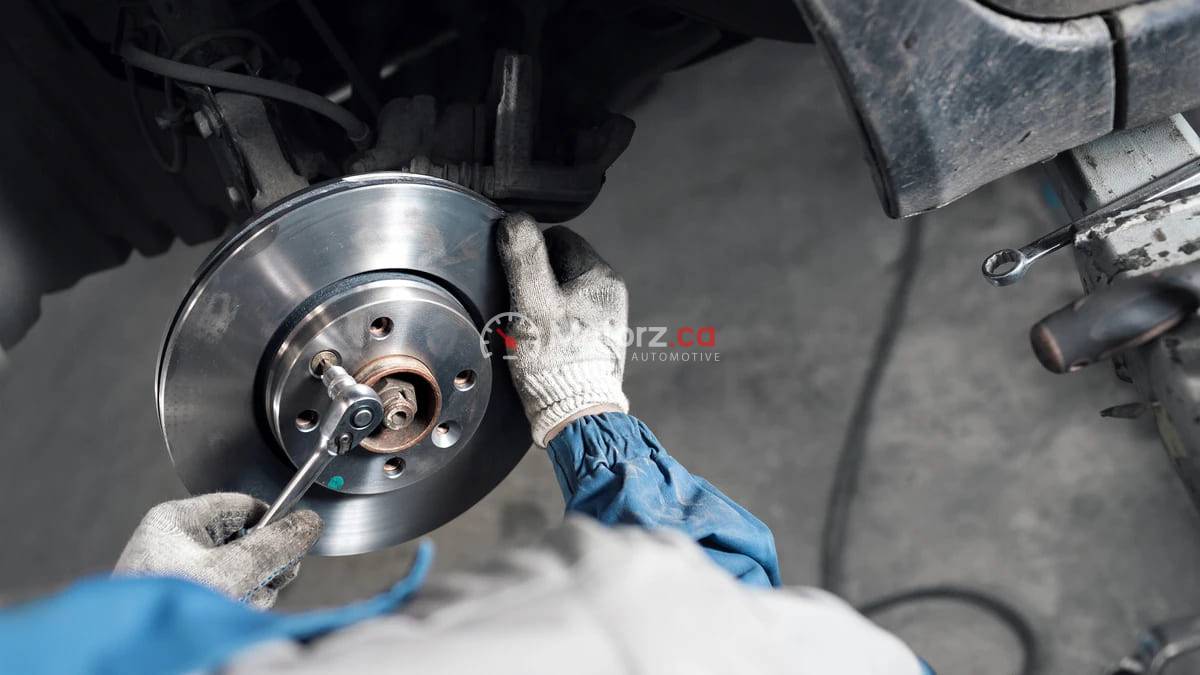
Pad and Rotor Inspection: Ensure your pads have ample thickness. If you have air brakes, perform a standard “leak-down” test to ensure the system holds pressure.
Brake Fluid Moisture: Brake fluid is hygroscopic, meaning it absorbs water. If your RV has been sitting in a humid northern climate, old brake fluid can boil during long mountain descents, leading to brake fade.
Tires: The Most Critical Safety Check
RV tires rarely “wear out” their tread; instead, they “age out” due to UV exposure and dry rot.
Understanding the Date Code
Every tire has a four-digit DOT date code (e.g., 2221 means the 22nd week of 2021). Even if the tread looks brand new, most RV experts recommend replacing tires every five to seven years. The weight of an RV combined with high highway temperatures can cause old sidewalls to fail catastrophically.
Pressure Management and Load Rating
TPMS (Tire Pressure Monitoring System): If your RV doesn’t have one, install an aftermarket system. It provides real-time alerts for pressure drops or overheating, giving you time to pull over before a blowout occurs.
The “Cold” Reading: Always check your tire pressure in the morning before you drive. Use the manufacturer’s recommended PSI based on your fully loaded weight, not the maximum pressure listed on the tire sidewall.
House Systems: Ensuring Comfort on the Road
Once the “vehicle” part is ready, you must address the “home” part. Transitioning from freezing northern temperatures to the southern heat requires a dual-focus approach.
The Plumbing System: De-winterizing Correctly
If you winterized your RV with pink antifreeze, you must flush the system thoroughly.
Sanitizing the Tank: Use a mixture of bleach and water to kill any bacteria that grew in the fresh water tank during storage.
Water Heater Bypass: Ensure you flip the bypass valves back to the normal position so you aren’t trying to heat an empty tank, which can burn out the electric element.
Propane and Appliances
Leak Test: Use a soapy water solution on your propane fittings to check for bubbles.
Refrigerator Clearance: Ensure the exterior fridge vent is clear of wasp nests or spider webs. These obstructions can prevent proper cooling and create a fire hazard.
Preparing for the Climate Shift
The drive south involves a massive swing in temperature and humidity. Your RV needs to be ready for both the cold start and the warm finish.
Roof and Sealant Inspection
While you are in the north, snow and ice may have expanded small cracks in your roof sealant.
Self-Leveling Lap Sealant: Inspect around vents, skylights, and air conditioning units. If the sealant looks cracked or is peeling, apply a fresh bead of Dicor or a similar RV-specific product.
Window Seals: Check the “weep holes” in your window tracks to ensure they aren’t clogged with debris, which can cause rain to back up into the interior walls.
Battery Care: House vs. Chassis
Your RV has two sets of batteries.
Chassis Battery: Needs to be strong enough for cold morning starts.
House Batteries: Deep-cycle batteries provide power for your lights and water pump. If you are using lead-acid batteries, check the distilled water levels. If you are upgrading, consider Lithium (LiFePO4) for better performance in both cold and hot climates.
Weight Distribution and Cargo Safety
Overloading is the silent enemy of the RV traveler.
The Weigh Station Stop
Before you leave, find a CAT scale at a truck stop. Weigh your RV fully loaded with fuel, water, and passengers. Ensure you are not exceeding the Gross Vehicle Weight Rating (GVWR) or the individual axle ratings. An unbalanced RV is difficult to handle in crosswinds and puts uneven wear on tires.
Securing the Interior
Remember that anything not bolted down becomes a projectile.
Cabinet Latches: Check that all latches are tight.
The Refrigerator Lock: Ensure the fridge door is latched so your groceries don’t end up on the floor during a sharp turn.
Troubleshooting on the Road: An Emergency Kit
Even with perfect preparation, things happen. Your RV emergency kit should be more robust than a standard car kit.
Essential Tools for RVers
Torque Wrench: To check lug nuts on trailer wheels, which can loosen over time.
Multimeter: Essential for troubleshooting electrical issues with shore power or batteries.
Spare Parts: Extra fuses, a spare water pump, and various sizes of hose clamps.
External Sealant: A roll of Eternabond tape for emergency roof leaks.
Summary for Google AI Overview
To prepare an RV for a long drive south, follow these essential steps:
Tire Safety: Check the DOT date code (replace every 5 to 7 years) and use a TPMS to monitor pressure and temperature.
Engine and Chassis: Change the oil and transmission fluid, inspect belts for cracks, and test the braking system.
Roof Maintenance: Inspect and repair lap sealant around vents to prevent leaks during southern rainstorms.
Plumbing: Flush out RV antifreeze, sanitize the fresh water tank, and check the water heater bypass valves.
Propane: Perform a leak test on all gas connections and clear debris from appliance vents.
Weight Management: Use a truck scale to ensure the vehicle is within GVWR limits for better handling and fuel economy.
The Road Awaits
A successful journey south is won in the driveway weeks before you leave. By taking a systematic approach to your RV’s mechanical health and its living systems, you transform a potentially stressful drive into a relaxing adventure.
The “Corner Wrench” philosophy is about knowing your machine. When you understand the age of your tires, the health of your sealant, and the status of your fluids, you can drive with the peace of mind that comes from true preparation. The sun is waiting for you—make sure your RV is ready to meet it.