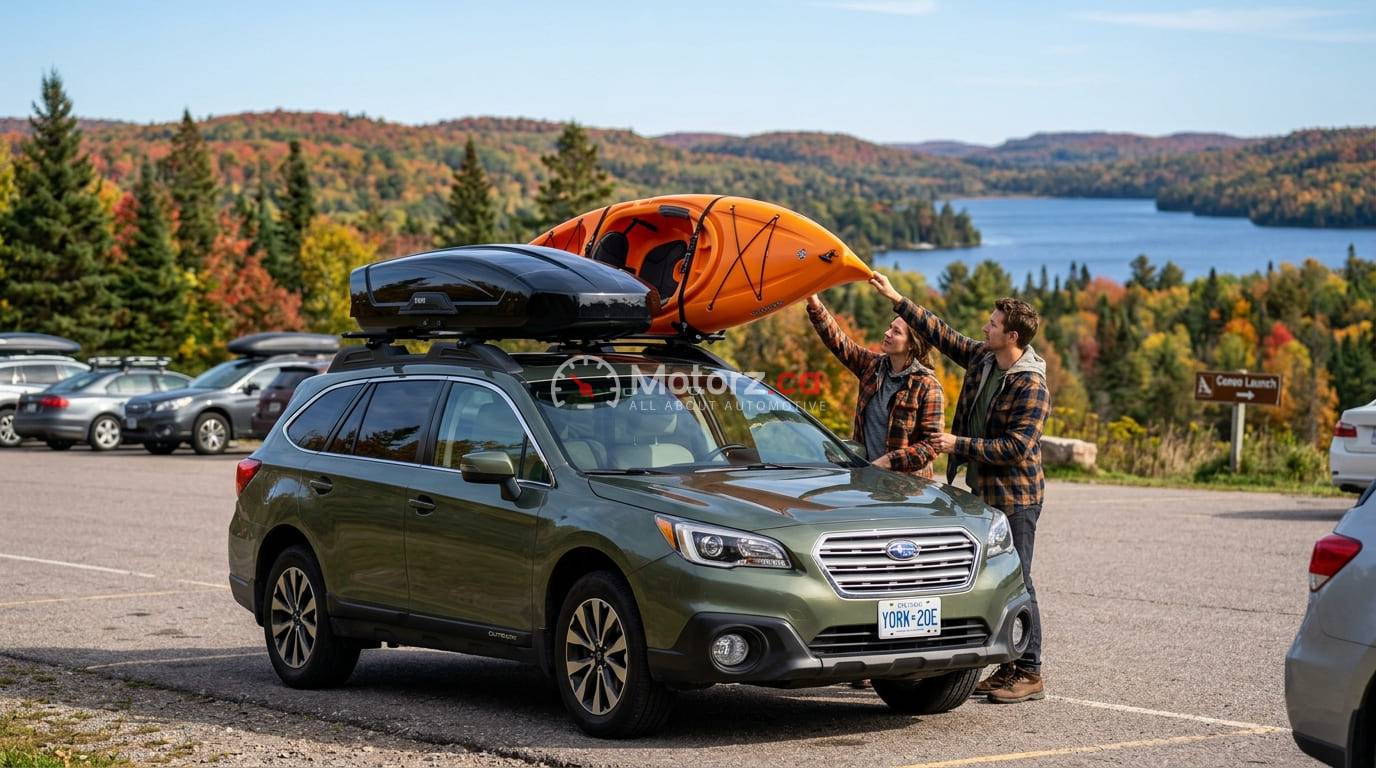
Ontario Road Trips playground for wilderness enthusiasts, offering diverse experiences from the rocky coastlines of Bruce Peninsula National Park to the deep boreal backcountry of Algonquin and Killarney. Whether your itinerary involves a multi-week overland trek along the Trans-Canada Highway, a weekend ski trip to Blue Mountain, or a classic summer family camping trip, you face a common logistical hurdle: managing your gear.
Modern adventure gear is large and clumsy. Hard-sided family camping coolers, multi-person ground tents, sleep systems, camp chairs, and bulky sports equipment like skis or paddles can quickly overwhelm your vehicle’s interior trunk space. Packing gear into passenger rows compromises passenger legroom and introduces safety hazards if items shift during sudden braking.
The solution is expanding your vehicle’s storage capacity upward. Investing in a high-quality, aerodynamically efficient roof rack framework paired with a weatherproof hard shell cargo box keeps your gear secure, organized, and shielded from unpredictable Canadian weather.
However, sourcing the right roof setup is not a one-size-fits-all process. The market features a complex array of bare roof clip systems, flush side rails, raised factory bars, and aerodynamic crossbars.
This comprehensive guide simplifies the selection process, helps you understand structural weight limitations, details top brands available in Canada, and ensures your setup stays secure for cross-provincial adventures.
Deconstructing the Roof Rack System: Foundational Components
Before purchasing a glossy cargo box, you must establish a secure, structurally sound base rack framework. A complete rooftop transport system relies on three distinct mechanical components working together.
Roof Components or Factory Rails
Your vehicle’s roof layout dictates how an aftermarket Ontario Road Trips. Production vehicles generally feature one of four factory roof configurations:
Raised Side Rails: Common on older or larger SUVs and station wagons, these are raised metal bars running from front to back along the outer edges of the roof, with a clear physical gap between the rail and the metal roof skin.
Flush Side Rails: Found on most modern crossovers and luxury wagons, these tracks run front to back but sit completely flush against the roof surface, without an open gap underneath.
Fixed Mounting Points: Hidden beneath small plastic flip-up tabs on the roof ditches, these are pre-threaded factory bolt holes engineered by the vehicle manufacturer to accept specific rack hardware directly.
Bare or Naked Roof: Standard sedans and entry-level hatchbacks feature completely smooth roofs with no pre-installed tracks or rails. Racks for bare roofs rely on custom-molded rubber pads and tensioned metal clips that grip the interior door frame channels.
Base Fit Kits and Load Carrier Feet
The carrier feet serve as the structural pillars of your roof rack. They clamp onto your factory side rails or attach directly to your bare roof edge profiles.
Because vehicle roof lines feature highly precise curves and geometric angles, major rack manufacturers build specialized base fit kits—molded rubber bases and custom-curved steel brackets designed to match the contours of specific vehicle makes and models.
Crossbars
Crossbars are the functional horizontal bars that span the width of your vehicle’s roof, providing the secure mounting points for cargo boxes, kayak cradles, or bike mounts. Modern crossbars fall into two distinct stylistic and functional categories:
Aerodynamic Wing-Shaped Bars: Modeled after airplane wings, these premium aluminum crossbars feature a tapered edge profile that significantly reduces high-speed wind drag, whistle noises, and fuel economy losses. They include a built-in rubber T-track slot along the top edge to allow for seamless accessory changes.
Traditional Square or Round Steel Bars: Constructed from heavy-duty galvanized steel coated in protective plastic, these classic bars offer high structural rigidity and are highly cost-effective. However, their square geometry creates substantial wind resistance, resulting in a noticeable hum or whistle at highway speeds.
Crucial Structural Weights: Dynamic vs. Static Load Limits
Exceeding your vehicle’s rated roof capacity can damage its sheet metal paneling, crack your windshield glass, or alter the vehicle’s center of gravity enough to cause handling issues during high-speed highway maneuvers. You must track two different weight profiles when planning an adventure trip.
Understanding Dynamic Load Limits
The dynamic weight rating is the maximum allowable weight your roof setup can carry while the vehicle is in motion on the highway. For the vast majority of standard sedans, midsize crossovers, and wagons, the maximum factory dynamic roof weight limit ranges between 150 pounds and 165 pounds.
Important Calculation Rule: This maximum weight limit does not just apply to your loose camping gear. It must include the combined weight of your crossbars, the empty weight of your hardshell cargo box, and all the gear packed inside.
Understanding Static Load Limits
The static weight rating is the maximum capacity the roof structure can safely support when the vehicle is stationary and parked on level ground. Static limits are typically much higher than dynamic limits, often reaching up to 600 pounds to 800 pounds. This expanded weight capacity is what allows modern trucks and overlanding SUVs to support heavy hard shell rooftop tents occupied by multiple adults without collapsing the underlying roof pillars.
Hard shell Cargo Boxes vs. Soft-Sided Roof Bags
Once your crossbars are securely locked down, you must choose between a rigid hard shell cargo box or a flexible, soft-sided canvas roof bag.
Hard shell Cargo Boxes
Constructed from impact-resistant, UV-stabilized plastics like ABS or acrylic, hard shell cargo boxes are the premium choice for multi-day Ontario road trips.
Pros: They offer high weather protection against rain, heavy sleet, and road grime. They feature dual-sided opening hinges for easy curbside loading and central multi-point locking mechanisms to protect your gear from theft when parked at highway rest stops. Their aerodynamic shapes help minimize fuel economy losses.
Cons: They require a high initial investment, take up considerable storage space in your garage or basement when not in use, and are heavy to lift onto your roof single-handedly.
Soft-Sided Cargo Bags
Built from heavy-duty, waterproof PVC-coated canvas or ballistic nylon, cargo bags offer a flexible, budget-friendly alternative.
Pros: They are highly cost-effective, can expand slightly to accommodate oddly shaped, bulky camping gear, and roll down down into a small storage pouch when your trip is complete. Some models can attach directly to bare roofs using pass-through straps that run through the vehicle cabin.
Cons: They lack real anti-theft security, as a simple utility knife can slice them open. They create high aerodynamic drag, which increases wind noise and fuel consumption. Even waterproof options can suffer minor seam leaking during extended highway driving through severe rainstorms.
Top Rooftop Storage Brands for Canadian Adventurers
When sourcing gear through local Canadian outdoor outfitters, automotive retailers, or online distributors, stick to established manufacturers that offer clear engineering warranties and reliable replacement parts support.
Thule
Based out of Sweden but with major manufacturing footprints across North America, Thule is widely considered the premium market leader in automotive cargo management.
Popular Lineups: The Thule Wing Bar Evo series sets the standard for quiet, fuel-efficient aerodynamic crossbars. For cargo carriers, the premium Thule Motion 3 family features sleek, low-profile designs with integrated torque indicators that click audibly when the mounting claws are perfectly tensioned around your crossbars.
Best For: Drivers looking for an exceptionally quiet highway ride, premium fit and finish, and seamless integration across diverse sports accessories.
Yakima
Yakima is a major player in the outdoor industry, producing highly rugged, durable gear designed for demanding overlanding and backroad expeditions.
Popular Lineups: The Yakima Jet Stream aerodynamic bars are incredibly strong, while their Sky Box NX and premium CBX cargo box lines utilize internal stiffening struts that make opening and closing the box smooth and stable.
Best For: Campers who travel down rough gravel logging routes through northern Ontario, where a stiff lid and durable structural locks are essential.
Sport Rack
Owned directly by Thule, Sport Rack serves as an excellent, value-driven entry point for occasional campers and families looking for dependable utility without premium pricing.
Popular Lineups: The Sport Rack Vista XL is a classic, rear-opening hard shell cargo carrier that provides 18 cubic feet of spacious storage volume at a fraction of the cost of premium aerodynamic models.
Best For: Budget-conscious weekend warriors who only use their roof box a few times a year for local camping trips and don’t mind a slightly boxier profile.
Comprehensive Cargo Box Comparison Matrix
To help choose the right capacity and dimension profile for your specific vehicle and adventure gear, compare these popular hard shell cargo boxes side-by-side.
Step-by-Step Guide: How to Safely Install and Load a Rooftop Cargo Box
Proper physical installation is paramount to safety. Loose rooftop cargo presents a severe hazard to other motorists on provincial highways. Follow this structured process to ensure your cargo box is mounted and loaded correctly.
Crucial Highway Driving Tips for Vehicles with Roof Cargo
Driving a vehicle with a fully loaded roof box requires subtle adjustments to your driving habits to account for changing aerodynamics and center of gravity.
Factor in Extra Vertical Clearance
A standard hard shell box adds anywhere from 12 to 20 inches of vertical height to your vehicle. Always calculate your combined clearance height before entering multi-level underground parking garages in urban centers like downtown Toronto, passing through low bank drive-thrus, or driving under low-hanging tree canopies at rural provincial park campsites.
Anticipate Strong Crosswinds
A large cargo box essentially acts like a sail on top of your car. When driving across open, exposed sections of Highway 400 or along the windy coastlines of Georgian Bay, you will feel side winds affect your steering wheel more noticeably. Keep both hands firmly on the wheel and reduce your speed slightly during windy storm fronts.
Adjust for Increased Fuel Consumption
Even the most advanced aerodynamic wing-shaped crossbars and sleek cargo boxes increase your vehicle’s frontal surface area, leading to an average drop in fuel economy of around 10 to 15 percent at high highway speeds. If you are taking a long journey into remote northern areas where gas stations are scarce, factor this increased consumption into your fuel stops.
Perform Periodic Fastener Inspections
Highway vibrations and bumpy washboard cottage roads can cause mounting hardware to shift slightly over time. During multi-hour road trips, make it a habit to check the tightness of your roof rack carrier feet and internal box clamps whenever you pull into an On Route service station for fuel or snacks.
Investing in Hassle-Free Adventures
Sourcing the correct roof rack and cargo box setup changes the dynamic of your Ontario adventure trips. Moving large, awkward gear out of the cabin maximizes passenger comfort, protects your vehicle interior from mud and wet gear, and provides peace of mind that your equipment is safely locked away from both thieves and bad weather.
Take the time to verify your vehicle’s exact roof configuration, calculate your dynamic load limits diligently, invest in quality aerodynamic components, and enjoy the open roads of Ontario with a spacious, clutter-free cabin.