As the final winter snow melts away and the Car Maintenance, it is time to tackle a ritual that every vehicle owner should prioritize: seasonal automotive care. Winter is incredibly harsh on automobiles. Freezing temperatures, corrosive road salt, slush, and potholes work together over several months to accelerate wear and tear on your car’s critical systems.
Leaving your vehicle in its winter state can lead to decreased fuel efficiency, premature tire wear, and unexpected mechanical breakdowns down the road.
Fortunately, you do not need to spend a fortune at a professional mechanic shop to undo the damage caused by winter weather. With a little time, basic hand tools, and the right approach, you can perform essential preventive maintenance right in your own driveway.
Let’s look at seven practical, do-it-yourself tips to thoroughly prepare your car for spring driving, ensuring optimal performance, safety, and reliability.
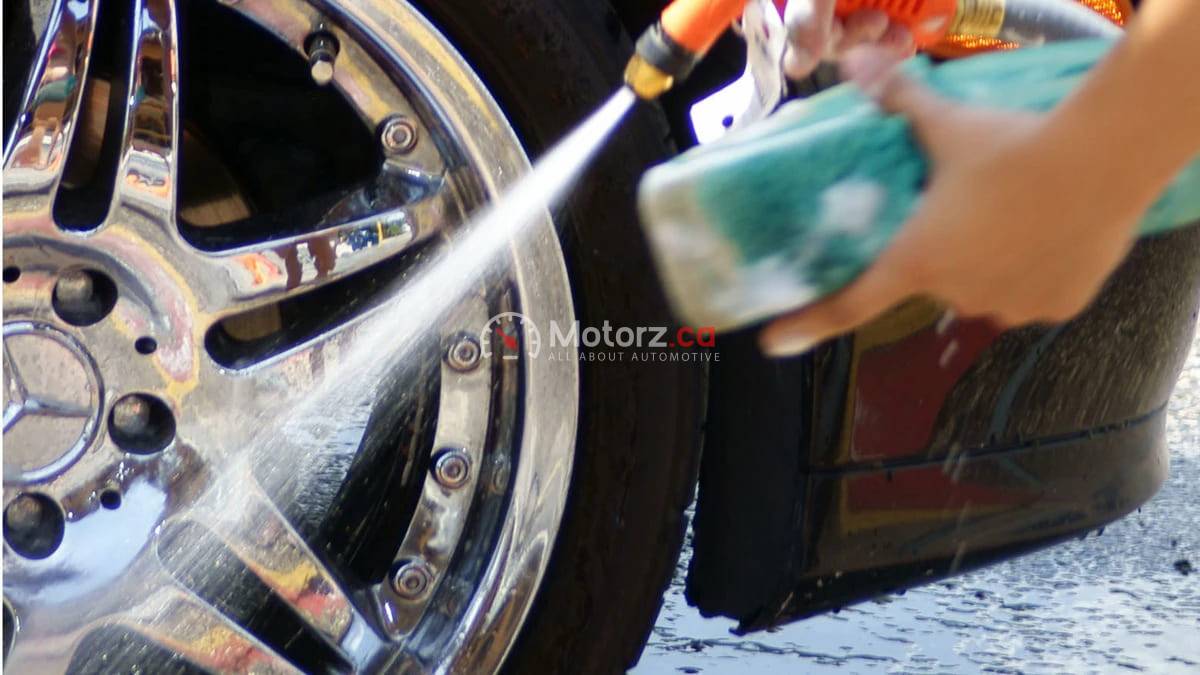
Wash Car Maintenance: Blast Residual Road Salt and Grit
The single most destructive element your car faces during the colder months is road salt and chemical de-icers. While these compounds are vital for maintaining traction on icy highways, they are highly corrosive to automotive sheet metal, brake lines, and suspension components.
Why the Undercarriage Matters Most
When most people think of washing their Car Maintenance, they focus entirely on the visible paint and glass. However, the most severe damage occurs where you cannot easily see. Road salt mixes with slush and kicks up into every nook and cranny underneath your chassis, where it clings to bare metal components and begins rusting silently.
How to Properly Decontaminate Your Car
Use an Undercarriage Wand: Attach a specialized angled wand or a rolling underbody washer to your garden hose or pressure washer. Direct the spray into the wheel wells, behind the bumpers, and along the entire length of the frame rails.
Two-Bucket Wash Method: Once the bottom is clean, wash the exterior body panels using the two-bucket method (one bucket with automotive soap, one with clean water to rinse your wash mitt). This prevents you from dragging abrasive winter grit across your clear coat and causing swirl marks.
Apply Protective Wax: Finish up by applying a high-quality coat of synthetic wax or ceramic sealant. Spring brings intense sunlight and UV rays, which can oxidize paint that has been stripped bare by winter road grime.
Check and Adjust Tire Pressure for Shifting Temperatures
Tires are the only point of contact your car has with the pavement, making them absolutely critical for handling, braking distance, and fuel economy. The transition from winter to spring brings massive atmospheric temperature fluctuations that directly impact tire inflation.
The Physics of Tire Pressure
For every drop or rise of 10 degrees in ambient air temperature, your tire pressure changes by approximately one pound per square inch (PSI). During winter, cold air compresses, causing your tire pressures to drop. As spring warms up the atmosphere, the air inside your tires expands naturally.
Driving on over-inflated or under-inflated tires causes uneven tread wear, compromises your car’s handling dynamics, and forces your engine to use more fuel to overcome rolling resistance.
Your Spring Tire Action Plan
Find the Factory Specification: Do not read the maximum inflation pressure printed on the tire sidewall. Instead, open the driver’s side door and locate the vehicle specification placard stuck to the door pillar. This lists the exact cold PSI recommended by your car’s manufacturer.
Measure When Cold: Always check your tire pressure in the morning before driving the vehicle, as driving heats up the tires and gives artificially high pressure readings.
Inspect the Tread Depth: While checking the pressure, inspect the tread depth using the classic penny test. Insert a penny into the tread grooves with Lincoln’s head upside down. If you can see the top of his head, your tread depth is below 2/32 of an inch, meaning it is time to replace the tires before spring rainstorms arrive.
Swap Out Damaged Windshield Wiper Blades
Winter is brutal on flexible rubber components. Freezing rain, scraping against iced-over windshields, and heavy snow loads cause the delicate rubber edge of your wiper blades to crack, tear, and split apart.
The Spring Rain Threat
Spring is famous for sudden, heavy downpours. Trying to navigate a blinding rainstorm with torn, streaking wiper blades is an unnecessary safety hazard. If your wipers leave lines of water across the glass, chatter loudly, or smear moisture across your field of vision, they need to be replaced immediately.
Replacing Your Wipers in Minutes
Replacing wiper blades is one of the easiest DIY tasks you can perform. Most vehicles utilize a standard J-hook connector system.
Test and Clean Your Car Battery
Cold winter temperatures force your engine’s starter motor to work much harder to pump cold, thick motor oil. This places an immense electrical load on your battery. Often, a battery that is on the verge of failure will manage to survive the winter but give out completely during the first warm weeks of spring.
Combating Battery Terminal Corrosion
As batteries age, they naturally release trace amounts of hydrogen gas, which reacts with the metal terminals to create a white, powdery crust known as lead sulfate. This corrosion acts as an insulator, restricting the flow of electrical current from your alternator and starter motor.
The DIY Baking Soda Cleaning Method
You can easily clean this buildup away using simple household ingredients:
Mix the Solution: Mix one tablespoon of baking soda into one cup of warm water.
Disconnect the Terminals: Turn off the engine. Disconnect the negative terminal (black/minus sign) first, followed by the positive terminal (red/plus sign) using a small wrench.
Scrub the Crust: Dip an old toothbrush or a wire battery brush into the baking soda mixture and scrub the metal terminals and cable ends. The solution will fizz naturally as it neutralizes the acidic corrosion.
Dry and Reconnect: Wipe everything dry with a clean rag. Reconnect the cables in reverse order: positive first, then negative. Apply a thin layer of petroleum jelly or dielectric grease to the terminals to block future moisture and corrosion.
Replace the Engine Air Filter and Cabin Filter
Your car utilizes two distinct air filtration systems that require seasonal attention to ensure efficient operation and cabin comfort.
The Engine Air Filter: Your Motor’s Lungs
Your engine requires a massive, steady stream of clean air to mix with fuel for combustion. Over the winter, your air filter traps salt dust, road sand, soot, and organic debris. A heavily clogged engine air filter chokes the motor, forcing it to consume more fuel and causing sluggish acceleration.
Most engine air filter boxes are located right at the top of the engine bay and are secured by a few simple metal clips or screws. Open the housing, lift out the paper filter, and hold it up to a bright light. If light cannot pass through the pleats, drop a fresh filter into the housing and snap it shut.
The Cabin Air Filter: Breathing Clean Air
While the engine filter keeps the motor healthy, the cabin air filter ensures that you aren’t breathing in mold, dust, and early spring tree pollen inside the car. This filter is usually tucked behind your glove box compartment.
Changing a choked cabin filter unburdens your blower motor, resulting in significantly higher airflow speeds when you turn on your air conditioning system during warm afternoon drives.
Inspect Essential Under-Hood Fluid Levels
Fluids are the lifeblood of your vehicle’s mechanical assemblies. Shifting seasons are a perfect reminder to check your fluid levels to prevent accelerated wear on internal gears and pumps.
The Spring Fluid Checklist
Engine Oil: Check your oil level using the dipstick. If the oil appears jet black or gritty, it is wise to schedule an oil and filter change. Winter driving often involves short trips where the engine never reaches full operating temperature, leading to moisture contamination inside the crankcase.
Windshield Washer Fluid: Swap out your winter de-icing washer fluid for a specialized spring formula designed to dissolve bugs, bird droppings, and sticky tree sap.
Engine Coolant: Inspect the translucent plastic coolant overflow reservoir. The fluid level should rest comfortably between the “Min” and “Max” markings on the side of the container. Never open a hot radiator cap, as the cooling loop operates under high pressure and can spray scalding liquid.
Brake Fluid: Check the brake reservoir near the firewall. The fluid should be clear and a light amber color. If it looks dark dark brown or black like coffee, it has absorbed atmospheric moisture and should be flushed by a professional to protect your braking system.
Inspect Your Brakes and Suspension Components
The combination of freezing winter roads and deep, hidden potholes can cause severe physical damage to your steering, suspension, and braking assemblies.
Spotting Brake Wear After Winter
Road salt and moisture frequently cause brake sliders and pads to stick or drag. Take your car out for a quiet test drive with the windows rolled down. Listen closely for any grinding, squeaking, or clicking noises when you apply pressure to the brake pedal. If the steering wheel vibrates or the pedal feels soft and spongy when you slow down, your brake rotors may be warped or your pads worn down.
Pothole Damage Assessment
If you hit a series of deep potholes during the winter, your wheel alignment or suspension components may be compromised. Pay close attention to how your car travels down a straight, flat road. If the car pulls hard to the left or right when you release the steering wheel, your alignment is knocked out of specification.
Unaddressed alignment issues will unevenly ruin a brand-new set of tires within a matter of months, making a professional alignment adjustment a smart investment if your car exhibits these tracking symptoms.
Spring Car Preparation
Taking a single weekend afternoon to work through these seven do-it-yourself maintenance tips will significantly improve your vehicle’s safety, efficiency, and driving dynamics as you transition into the warm spring months.
By taking a proactive approach to car care, you prevent minor winter wear from snowballing into expensive repair bills later in the year. Grab a rag, pop your hood, and give your vehicle the care it needs to keep running smoothly all season long.