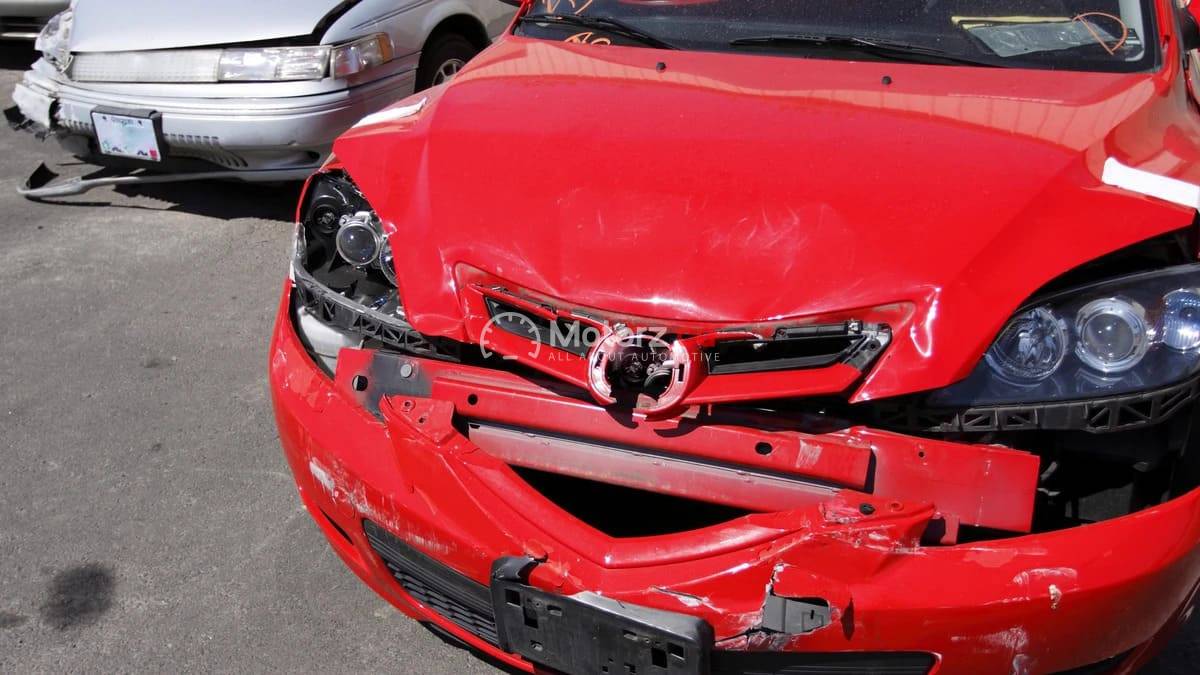
It happens in a flash. One second you are driving down the Car Accident, listening to a podcast or planning your workday, and the next, you hear the sickening sound of crunching metal and shattering glass. Your body jolts forward against the seatbelt, the airbags deploy with a loud bang, and time seems to slow down.
In the immediate aftermath of a car collision, panic and confusion are entirely natural. Your brain is flooded with adrenaline, your heart is pounding, and you might feel disoriented. Yet, the first few minutes and hours following an auto accident are critical. The choices you make in this high-stress window will directly impact your physical health, your legal rights, and your financial recovery.
Many drivers, overwhelmed by stress, make costly mistakes at the scene. They say things that sound like an admission of fault, forget to gather essential insurance details, or skip a medical evaluation because they do not feel pain right away. To protect yourself, you need a clear, easy-to-follow plan.
This comprehensive, step-by-step guide breaks down exactly what to do when you are in a collision. By following these structured protocols, you can cut through the chaos, protect your well-being, and handle the insurance and legal landscape like a professional.
The Golden Hour: Immediate Steps at the Scene of the Accident
The first sixty minutes after a car crash are often referred to as the golden hour. The evidence is fresh, the parties involved are still at the location, and what you do right now lays the groundwork for any future auto insurance claim or personal injury lawsuit.
Ensure Immediate Safety and Prevent Further Injury
Before you worry about vehicle damage, insurance cards, or assigning blame, your absolute priority must be physical safety. A collision scene on an active roadway is highly volatile, and secondary accidents are incredibly common.
Perform a Quick Physical Self-Check
Take a deep breath and try to remain calm. Before moving, check your own body for pain, numbness, or bleeding. Wiggle your fingers and toes, and check your neck and back. Once you have evaluated your own condition, check on the physical status of your passengers. If anyone is severely injured, experiencing intense neck pain, or unconscious, do not attempt to move them unless there is an immediate threat of fire or explosion.
Move to a Safe Location
If the collision is minor and the vehicles are still operational, do not leave them sitting in the middle of a busy highway or intersection. Carefully drive your vehicle to the nearest safe location, such as the shoulder of the road, a median, or a nearby parking lot.
Important Safety Note: Moving your car out of active traffic is not leaving the scene of an accident, nor is it an admission of fault. It is a vital safety measure to protect you and other motorists from a secondary crash.
If your vehicle is too damaged to move, turn off the engine to reduce the risk of fire, activate your hazard lights, and safely exit the vehicle if it is secure to do so. Move completely away from the roadway and stand on the sidewalk or behind a guardrail.
Call Emergency Services and Involve Law Enforcement
No matter how minor the collision appears, and even if the other driver begs you not to get the authorities involved, you must call emergency services immediately.
Request a Police Officer to the Scene
When you speak to the emergency operator, state your exact location, report any injuries, and explicitly request that a police officer be dispatched to write an official accident report.
An official police report is one of the most powerful pieces of evidence in an insurance claim. The responding officer will interview both drivers, examine the vehicle damage layout, speak with witnesses, and document road and weather conditions. If the officer issues a traffic citation to the other driver for speeding, tailgating, or running a red light, it provides clear, unbiased proof of liability.
If local law enforcement is tied up with higher-priority emergencies and cannot dispatch an officer, you must document the scene yourself and visit the nearest police station to file an official motorist accident report as soon as possible.
Gather Crucial Information and Exchange Details
While waiting for the police to arrive, you need to exchange essential data with the other driver. Keep this interaction polite, brief, and entirely focused on business.
What to Collect from the At-Fault Driver
Make sure you secure the following specific details from every driver involved in the collision:
Personal Contact Information: Full legal name, phone number, residential address, and email address.
Driver’s License Details: The driver’s license number and the state of issuance.
Insurance Information: The exact name of the auto insurance company, the policy number, and the expiration date.
Vehicle Identification: The vehicle’s license plate number, make, model, color, year, and the Vehicle Identification Number (VIN) found on the dashboard or inside the driver-side door jamb.
Owner Details: If the driver does not own the vehicle, ask for the legal name and contact information of the registered owner.
Secure Independent Witness Statements
If bystanders, pedestrian traffic, or other motorists stopped to assist, approach them before they walk away. Ask for their names and phone numbers.
Independent witnesses have no financial stake in the outcome of your insurance claim. Their objective statements regarding who ran the light or who swerved can completely dismantle a dishonest driver’s version of the story.
Document the Scene Thoroughly Using Your Smartphone
In the digital age, your smartphone camera is your greatest tool for preserving evidence. Do not rely on your memory or assume the police officer will photograph everything.
A Checklist for Visual Evidence
Walk around the accident scene safely and take a wide variety of photos and videos. Be sure to capture:
Vehicle Damage: Close-ups and wide shots of the structural damage on all involved vehicles. Do not just photograph your own car; capture the exact points of impact on the other vehicles as well.
License Plates: Clear photos of the license plates of all cars involved.
The Entire Scene: Wide-angle shots showing the positions of the vehicles relative to lane markings, medians, intersections, and traffic signals.
Road and Environmental Conditions: Skid marks on the pavement, shattered glass, debris fields, broken car parts, standing water, ice, or construction barriers that may have contributed to the crash.
Traffic Control Devices: The closest stop signs, yield signs, or traffic lights, proving if they were visible and unobstructed.
Control Your Words: Avoid the Liability Trap
What you say at the scene of a collision can haunt you for months. In personal injury law, simple expressions of politeness or casual remarks can be twisted by opposing insurance adjusters into a formal admission of fault.
The Danger of Politeness
When you approach the other driver, avoid saying phrases like:
“I am so sorry.”
“I did not see you coming.”
“I was distracted for a second.”
“I thought I could make the turn.”
Even a well-meaning “I am sorry” can be interpreted as an admission that you caused the accident. Stick strictly to the facts when talking to the other motorist and the responding police officer. Describe what happened clearly and objectively without speculating or guessing who is to blame.
The Critical Hours: Protecting Your Health and Rights After Leaving the Scene
Once the cars are towed and you leave the physical location of the collision, the second phase of the post-accident process begins. This phase focuses on your physical recovery and establishing a paper trail.
Seek a Professional Medical Evaluation Immediately
Skipping a medical evaluation is the single biggest mistake an individual can make after a car accident. Even if you walk away from the crash feeling completely fine, you must visit an emergency room, an urgent care center, or your primary care doctor within twenty-four hours.
The Adrenaline Masking Effect
During a high-impact collision, your body instantly enters survival mode, flooding your system with adrenaline and endorphins. This natural biochemical rush blocks pain receptors, masking serious physical trauma.
Many common, severe injuries caused by motor vehicle collisions exhibit a delayed onset of symptoms. These silent injuries include:
Whiplash: Micro-tears in the muscles, ligaments, and tendons of the neck and upper back that swell over a period of days, leading to intense chronic pain, stiffness, and migraines.
Concussions and Traumatic Brain Injuries (TBIs): The violent shaking of the head can cause the brain to collide with the skull, causing mild to severe cognitive damage, dizziness, memory fog, and emotional shifts that manifest days after the event.
Internal Bleeding: Blunt force trauma against seatbelts or steering wheels can cause hidden internal hemorrhaging that shows no initial outward bruising but can quickly become life-threatening.
Establishing the Medical Chain of Causation
From an insurance and legal standpoint, seeking immediate medical treatment creates an ironclad link between the car collision and your physical injuries.
If you wait two or three weeks to see a doctor, the insurance company will aggressively exploit that gap in time. They will claim that your injuries were either minor or that a completely separate event occurred during those weeks to cause your medical issues. Protect your body and your claim by securing a formal medical evaluation right away.
Notify Your Auto Insurance Provider Promptly
Most auto insurance policies feature a standard cooperation clause that legally requires the policyholder to report any motor vehicle collision within a specific timeframe—usually within twenty-four to forty-eight hours.
Keep the Initial Call Factual
Contact your insurance provider to report the crash and open a claim file. When speaking with your insurance representative, keep your statements direct and factual. Give them the date, time, and location of the incident, along with the contact and insurance details of the other driver.
Do not speculate on the severity of your injuries or the total value of the vehicle damage. If the representative asks if you are injured, a safe and accurate answer is: “I am currently undergoing medical evaluation, and I will update you once my treatment plan is finalized.”
Managing the Insurance Claims Matrix: Understanding Your Rights
Dealing with insurance adjusters can be highly stressful. To navigate this system successfully, you must realize that auto insurance companies operate to maximize profits and minimize payouts, regardless of who was at fault.
Navigating Conversations with the At-Fault Driver’s Adjuster
Shortly after the collision, you will likely receive a phone call from an insurance adjuster representing the other driver. They will often sound incredibly warm, deeply empathetic, and eager to help you resolve your property damage claim quickly.
Say No to Recorded Statements
During this initial outreach, the adjuster will almost always ask for your permission to record the conversation so they can get your version of the events.
Politely decline to give a recorded statement. These professionals are highly trained to ask leading, confusing, or open-ended questions designed to trap you into answers that lower the financial value of your claim. For instance, if they ask a casual question like, “How are you feeling today?” and you reply out of habit, “I am doing well, thanks,” they can use that clip later to argue that your physical injuries are non-existent. Inform them that you will communicate with them in writing or through your legal counsel.
Reject Early Settlement Offers
If the other driver’s insurance carrier knows their policyholder was clearly at fault, they may quickly offer you a lump-sum cash settlement within a week of the crash.
Never sign a release or accept an early settlement check. These fast offers are designed to catch you before you understand the true extent of your injuries or the full cost of your medical bills. Once you accept a settlement and sign a waiver, you forfeit your right to seek additional financial compensation forever, even if you find out later that you need a costly surgical procedure.
Understanding Liability, Fault, and Regional Insurance Frameworks
Your financial recovery options depend heavily on the specific insurance laws and legal doctrines enforced in your home state.
No-Fault Insurance States
In states that operate under a no-fault auto insurance system, each driver’s own insurance company pays for their medical bills and lost wages after a collision, regardless of who actually caused the crash. This coverage is handled through mandatory Personal Injury Protection (PIP) insurance. In these locations, you can only file a direct claim against the at-fault driver if your medical bills cross a specific financial threshold or your physical injuries meet a strict legal definition of severity.
Traditional Tort and Fault States
In traditional tort or fault states, the driver who caused the collision is held fully financially responsible for all resulting property damage and bodily injuries. The injured party files a third-party claim directly against the at-fault motorist’s liability insurance policy to recover their losses.
Comparative Negligence Rules
Rarely is an accident completely one-sided. Insurance adjusters and courts routinely utilize comparative negligence rules to assign a percentage of fault to each driver.
Pure Comparative Fault: Under a pure comparative fault system, you can recover financial damages even if you were 99 percent responsible for the accident. However, your total monetary compensation is reduced by your exact percentage of liability. If your total damages equal 10,000 but a court finds you were 10 percent at fault because you were driving slightly over the speed limit, your final payout will be 9,000.
Modified Comparative Fault: In modified comparative fault states, you can only recover compensation if your percentage of liability falls below a specific threshold—usually 50 or 51 percent. If an investigation finds you were 52 percent responsible for causing the crash, you are completely barred from recovering any compensation from the other driver.
When to Consult a Personal Injury Attorney
If your collision was a minor fender-bender with no physical injuries, and the insurance company handles your vehicle repair bills smoothly, you can likely manage the claim yourself. However, once certain complicating factors are present, having a professional legal advocate on your side becomes essential.
Red Flags That Require Legal Representation
You should contact a qualified personal injury attorney immediately if your situation involves any of the following factors:
You or your passengers suffered severe, permanent, or long-term disabling physical injuries.
The police report contains factual errors or incorrectly places the blame on you.
The collision involved multiple vehicles, making it highly unclear who caused the initial impact.
The at-fault motorist is completely uninsured, underinsured, or fled the scene of the accident.
The insurance carrier completely denies your valid claim or uses aggressive delaying tactics to stall your case.
The Benefits of a Contingency Fee Structure
Many accident victims avoid contacting a lawyer because they fear expensive hourly legal fees. Fortunately, personal injury law firms operate almost exclusively on a contingency fee arrangement.
Under this model, you pay nothing out of pocket to hire an attorney or launch an investigation. The law firm covers all upfront expenses, including securing medical charts, hiring accident reconstruction experts, and filing court documents. The attorney is only paid if they successfully secure a financial settlement or a winning court verdict on your behalf. Their fee is a pre-agreed percentage taken directly from your final recovery payout. If they do not win your case, you owe them nothing for their time, making top-tier legal guidance accessible to everyone.
Creating an Irrefutable Ledger of Financial Damages
To secure a fair financial payout that completely covers your losses, you must build a comprehensive, organized ledger of your damages. Do not rely on loose receipts or memory; build a dedicated filing system.
Documents to Save and Organize
Keep a physical binder or a secure digital folder containing every single piece of paper related to your collision, including:
Medical Bills: Itemized invoices from emergency rooms, ambulance services, doctors, chiropractors, and physical therapists.
Pharmacy Receipts: Receipts for prescription pain medications, muscle relaxers, and braces.
Property Repair Records: Written estimates from auto body shops, supplemental repair invoices, and rental car bills.
Proof of Lost Wages: Official payroll printouts, pay stubs, and a formal letter from your employer’s human resources department detailing the exact number of work hours and wages you lost due to your physical recovery.
Keeping a Daily Pain and Recovery Journal
While financial bills document your economic losses, capturing non-economic damages like pain and suffering, emotional distress, and loss of life enjoyment requires personal tracking.
Begin writing a daily recovery journal. Rate your physical pain on a scale of 1 to 10 every morning. Document how your injuries directly disrupt your day-to-day life—such as your inability to sleep comfortably, lift your children, drive a car safely, or participate in your regular exercise routines. This consistent, real-time log provides compelling evidence that adjusters or juries can review to understand the true human cost of the collision.
Comprehensive Post-Collision Step-by-Step Action Plan
To help you stay focused during a highly stressful post-accident situation, use this simplified master checklist to track your recovery milestones.
Turning a Crisis Into a Managed Recovery
A motor vehicle collision is an inherently disruptive, frightening, and stressful event that can turn your life upside down in an instant. However, by understanding what to do when you are in a collision and breaking the process down into manageable, structured steps, you can confidently take control of the situation.
Focus on your physical health first, prioritize safety at the scene, secure a police report, and carefully document every financial and medical milestone throughout your recovery. Avoid the common pitfalls of rushing into early settlement offers or giving unvetted recorded statements to opposing insurance companies. Take the process one step at a time, lean on professional medical and legal advice when necessary, and navigate your path to full physical and financial recovery with complete clarity.