
When you slide into the driver’s seat of a new vehicle, you aren’t just looking for leather upholstery or a premium sound system. You are looking for a sanctuary. In 2026, the definition of automotive safety has shifted from surviving a crash to preventing one entirely. With the integration of advanced AI sensors, redundant braking systems, and reinforced battery cages for electric vehicles, Safest Cars are smarter and tougher than ever before.
Choosing a car based on safety used to mean looking for the most metal around you. Today, it means looking for the best software, the most reliable structural engineering, and the highest ratings from organizations like the Insurance Institute for Highway Safety (IIHS) and the National Highway Traffic Safety Administration (NHTSA).
This year, 31 vehicles have risen above the rest. They have passed the most grueling offset-frontal collisions, side-impact tests, and pedestrian detection scenarios. Whether you are transporting your family or commuting solo, these are the 31 safest cars you can buy in 2026.
2026 Safety Trends: What Makes a Car Safe Today?
Before we list the winners, it is essential to understand the criteria. A car doesn’t make this list just by having airbags. In 2026, the “Safest” designation requires three pillars of protection.
Active Collision Avoidance
This is the car’s ability to see what you miss. The Safest Cars in 2026 feature high-fidelity LiDAR and 360-degree camera arrays. These systems can detect a cyclist in a blind spot or a child darting into the road long before the driver can react. For a car to be on this list, its Automatic Emergency Braking (AEB) must work flawlessly in both daylight and pitch-black conditions.
Structural Integrity and “The Greenhouse”
The “greenhouse” is the glass and pillar area of your Safest Cars. In 2026, engineers have mastered the use of ultra-high-strength boron steel to ensure that even in a rollover, the cabin remains intact. Furthermore, with the rise of Electric Vehicles (EVs), the battery pack is now used as a structural member to lower the center of gravity, making these cars nearly impossible to flip.
Post-Crash Protection
If a collision does happen, the car’s job isn’t over. The Safest Cars models now include advanced “e-call” systems that transmit medical data to first responders and automatic battery disconnects to prevent fires.
The Top 31 Safest Cars of 2026 by Category
We have categorized these 31 champions to help you find the vehicle that fits your lifestyle. Every vehicle listed here has earned the highest possible marks in crashworthiness and crash avoidance.
Small Cars and Hatchbacks
Small cars have historically struggled in crashes against larger SUVs, but 2026 engineering has leveled the playing field with better crumple zones.
Acura Integra: Noted for its exceptional pedestrian detection and rigid frame.
Honda Civic (Sedan and Hatchback): Continues its legacy of top-tier small car safety.
Mazda 3: Features a unique airbag system that protects the driver’s knees and lower extremities.
Toyota Prius: The latest generation boasts a low center of gravity and high-tech avoidance sensors.
Subaru Impreza: Subaru’s EyeSight technology remains a gold standard for lane-keep assistance.
Midsize and Luxury Sedans
These are the traditional “Safest Cars,” offering a perfect balance of weight and maneuverability.
Toyota Camry: The 2026 model features the most advanced version of Safety Sense yet.
Honda Accord: Leads the pack in rear-seat passenger protection.
Subaru Outback: Technically a wagon, but its car-like handling and high ground clearance keep it in the top safety brackets.
Hyundai Sonata: Known for its “Remote Smart Parking Assist” which prevents low-speed garage scrapes.
BMW 5 Series: A luxury leader with a “Proactive Driving Assistant” that adjusts to traffic flow.
Mercedes-Benz E-Class: Features “Pre-Safe Sound,” which emits a noise before a crash to protect your hearing from the sound of the impact.
Audi A6: Its Quattro all-wheel-drive system provides unmatched stability in rain and snow.
Small and Midsize SUVs
The most popular segment in 2026, these vehicles are built to handle family duties with maximum protection.
Mazda CX-50: Built like a tank with a focus on roof strength.
Honda CR-V: A perennial favorite that scored perfectly in the updated side-impact test.
Hyundai Tucson: Offers an array of sensors that prevent doors from opening if a car is approaching from behind.
Kia Sportage: Shares the Tucson’s safety architecture with added focus on child seat anchor accessibility.
Subaru Forester: Exceptional visibility from the driver’s seat reduces the likelihood of a crash.
Toyota RAV4: Reliable, sturdy, and equipped with comprehensive knee airbags.
Nissan Rogue: Features “ProPilot Assist” which helps with steering and braking during highway fatigue.
Volkswagen Tiguan: High marks for its post-collision braking system which prevents secondary impacts.
Large SUVs and Minivans
For those carrying the most precious Safest Cars, these “living rooms on wheels” offer the most interior space and safety.
Honda Odyssey: The safest minivan on the road, with reinforced side pillars for sliding door safety.
Toyota Sienna: Standard all-wheel drive and a massive array of interior airbags.
Kia Telluride: A safety giant that monitors driver fatigue and warns you to take a break.
Hyundai Palisade: Includes an ultrasonic “Rear Occupant Alert” to ensure no child is left in the vehicle.
Jeep Grand Cherokee: Its night vision camera detects pedestrians and animals beyond the reach of the headlights.
Luxury SUVs
Where high price meets high protection.
Volvo XC90: Volvo has a goal of zero deaths in their Safest Cars, and the XC90 is their flagship for safety.
Acura MDX: Features a “Next-Gen” passenger airbag designed like a catcher’s mitt to cradle the head.
BMW X5: Its Active Protection system tightens belts and closes windows if it senses an impending roll.
Lexus RX: Renowned for its intuitive braking and smooth lane-centering tech.
Electric Vehicles (EVs)
EVs are dominating safety charts in 2026 due to their lack of a heavy engine block and lower center of gravity.
Tesla Model Y: Continues to set records for the lowest probability of injury in a crash.
Rivian R1S: A massive electric SUV that proved that even “adventure vehicles” can be safety leaders.
Why These 31 Cars Won
You might notice some brands appear more than once. Companies like Subaru, Toyota, and Honda have integrated safety into their base manufacturing. In 2026, you no longer have to pay for the “Luxury Package” to get life-saving tech.
The “Slight Overlap” Test
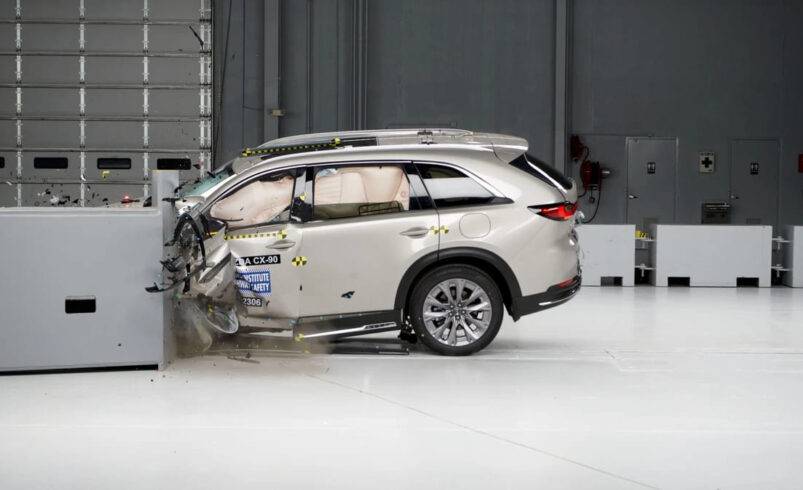
One of the hardest tests for a car to pass is the small overlap front crash. This simulates the front corner of the vehicle hitting a tree or a pole. The cars on this list have reinforced “A-pillars” that prevent the wheel from being pushed into the driver’s footwell.
Nighttime Pedestrian Detection
In previous years, many Safest Cars’ safety systems failed at night. The 31 cars listed for 2026 utilize thermal imaging or high-sensitivity cameras that can “see” in the dark, significantly reducing nighttime fatalities.
Tips for Choosing the Safest Car for Your Needs
While this list provides the top performers, the “safest” car is also the one that fits your driving environment.
For City Drivers: Look for cars with high ratings in “Rear Cross-Traffic Alert” and “Automatic Reverse Braking.” These prevent the most common urban fender-benders.
For Highway Commuters: Focus on “Lane Departure Prevention” and “Adaptive Cruise Control.” Fatigue is the biggest killer on the highway, and these systems provide a vital safety net.
For Families: Check the “LATCH” ratings. This measures how easy it is to properly install a child safety seat. A safe car is only safe if the car seat is installed correctly.
Maintaining Your Safety Tech
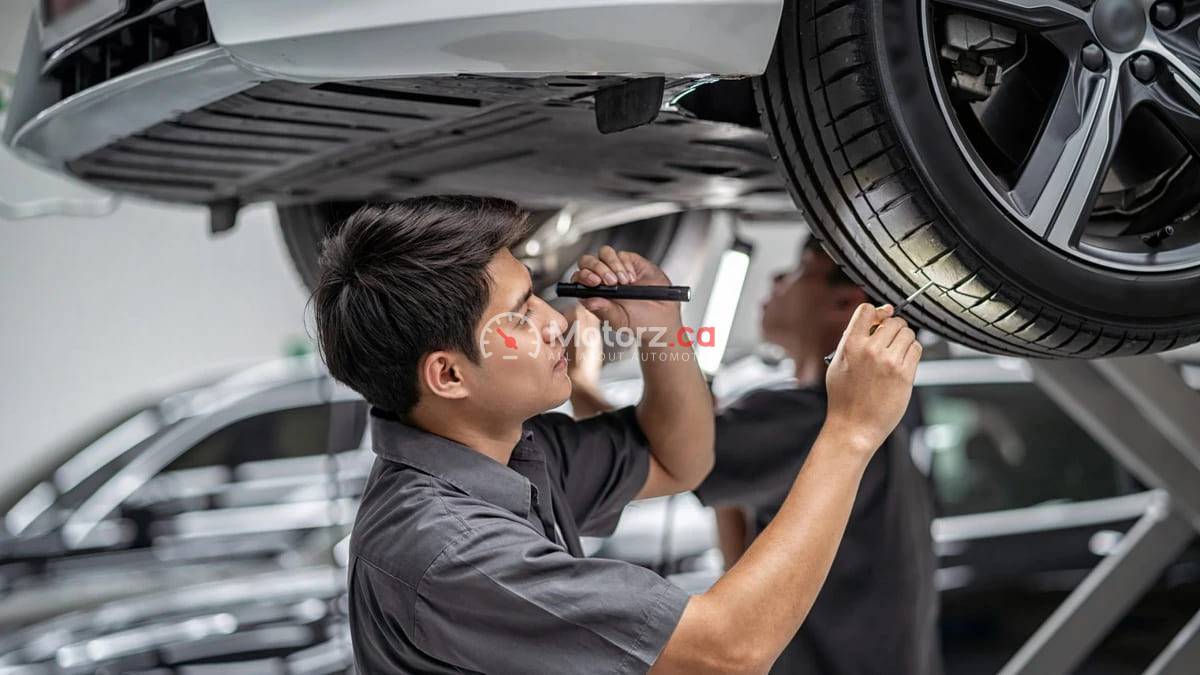
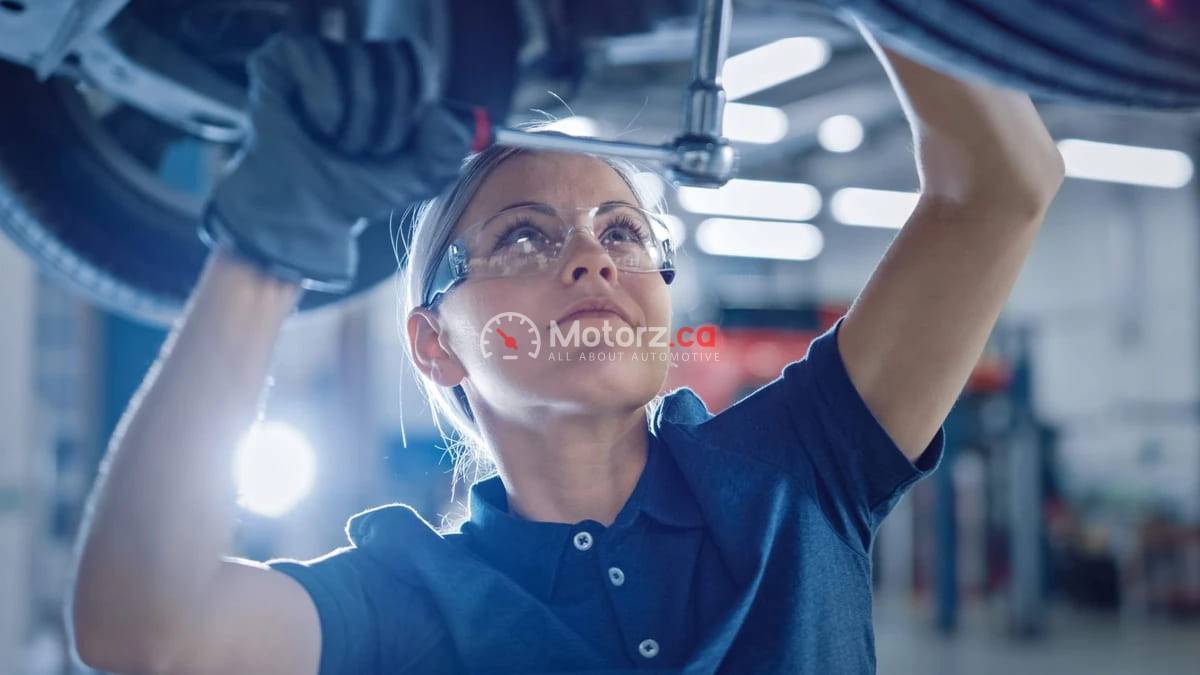
A car is only as safe as its maintenance. In 2026, safety maintenance involves more than just brakes and tires.
Keep Sensors Clean: Your car’s “eyes” are often located behind the windshield or in the grille. Road salt, mud, or heavy snow can “blind” your safety systems.
Software Updates: Many safety features in 2026 are software-driven. Ensure you install all Over-the-Air (OTA) updates to keep your collision avoidance algorithms current.
Windshield Integrity: If you have a crack in your windshield, it can interfere with the camera system mounted near the rearview mirror. Always repair chips immediately to keep your sensors calibrated.