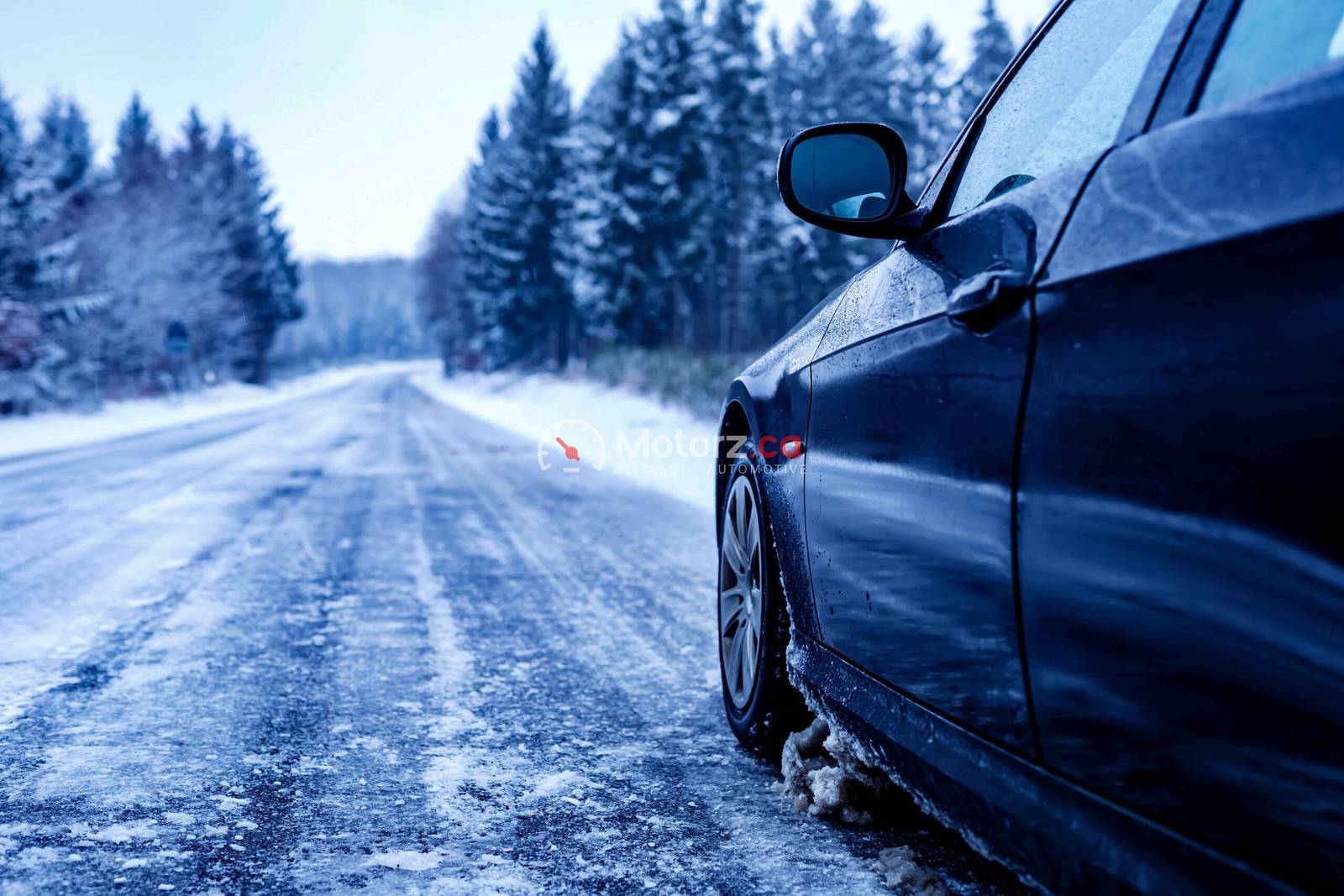

As the days grow shorter and the Tires Safe for Montreal Winters autumn air gives way to a biting chill, Montrealers know what’s coming: winter. And while the city transforms into a picturesque wonderland, it also brings a unique set of challenges for drivers. Icy roads, heavy snowfall, and plummeting temperatures can take a serious toll on your vehicle. But fear not! With a little proactive maintenance, you can ensure your car is a reliable companion throughout the frosty season. This comprehensive guide will walk you through everything you need to know to prepare your car for Montreal’s winter, keeping you safe and on the road.
Winter Tires Are Non-Negotiable
Let’s start with the absolute most critical component for winter driving safety: your tires. In Quebec, winter tires aren’t just a Tires Safe for Montreal Winters; they’re the law from December 1st to March 15th. And for good reason! All-season tires simply don’t offer the same grip and performance in snow, ice, and cold temperatures.
Understanding Tires Safe for Montreal Winters
Winter tires are specifically designed with a softer rubber compound that remains flexible in freezing temperatures, allowing for better Tires Safe for Montreal Winters. They also feature a unique tread pattern with deeper grooves and sipes (tiny slits) that bite into snow and ice, expelling slush and water. This combination drastically reduces braking Tires Safe for Montreal Winters and improves handling on slippery surfaces.
When to Make the Switch
The Tires Safe for Montreal Winters rule of thumb is to switch to winter tires when the ambient temperature consistently drops below 7°C (45°F). Even if there’s no snow on the ground, the colder temperatures stiffen all-season tire rubber, reducing its effectiveness. Don’t wait until the first snowfall to book your appointment; tire shops get incredibly busy. Aim for late October or early Tires Safe for Montreal Winters.
Tire Pressure: A Constant Battle
Cold weather causes air pressure in your tires to drop. For every Tires Safe for Montreal Winters decrease in temperature, your tire pressure can drop by about 1 PSI (pounds per square inch). Underinflated tires not only wear out faster but also compromise handling and fuel efficiency. Check your tire pressure weekly with a reliable gauge, and always refer to your Tires Safe for Montreal Winters owner’s manual or the sticker on your driver’s side door jamb for the recommended PSI.
Tread Depth Matters
While winter tires are Tires Tires Safe for Montreal Winters, they’re not immortal. Their effectiveness diminishes as the tread wears down. In Quebec, the minimum legal tread depth for winter tires is 1.6 mm (2/32 inch). However, for optimal performance in snow and ice, it’s recommended to replace them when the tread reaches 4 mm (5/32 inch). You can use a tire tread depth gauge or the “penny test” (though a gauge is more accurate) to check.
Powering Through the Cold: Battery Health is Key
A dead battery is one of the most common reasons for Tires Safe for Montreal Winters. Cold weather significantly reduces a battery’s cranking power while simultaneously increasing the engine’s resistance to starting.
The Lifespan of a Car Battery
Most car batteries last between Tires Safe for Montreal Winters. If your battery is approaching this age, or if you’ve noticed your car cranking slower than usual, it’s a good idea to have it tested by a mechanic.
Battery Testing and Maintenance
Before winter hits, have your battery tested at your local garage. They can assess its charge level and overall health. Clean any corrosion from the Tires Safe for Montreal Winters terminals using a wire brush and a mixture of baking soda and water. Ensure the connections are tight. If your car isn’t driven daily, consider investing in a battery tender or trickle charger to keep it Tires Safe for Montreal Winters up, especially during prolonged periods of inactivity in extreme cold.
Jumper Cables: Your Winter Lifeline
Always keep a set of good quality jumper cables in your Tires Safe for Montreal Winters. Knowing how to safely jump-start a car can save you a lot of hassle and a potentially expensive tow in the middle of a snowstorm.
Seeing Clearly: Visibility is Paramount
In winter, visibility can change in an instant – from clear skies to a blinding whiteout. Ensuring your wipers, washer fluid, and lights are in top condition is crucial for safe driving.
Wiper Blades: Fresh for the Frost
Wiper blades take a beating in Tires Safe for Montreal Winters, battling ice, snow, and road salt. Worn-out blades will leave streaks and diminish your visibility. Replace your wiper blades annually, preferably before winter sets in. Consider investing in winter-specific wiper blades, which are designed to prevent ice buildup.
Winter Washer Fluid: No Freezing Allowed
Regular washer fluid can freeze in extremely cold temperatures, rendering it useless. Switch to a winter-specific washer fluid that contains antifreeze properties. Keep an extra jug in your trunk, as you’ll be using it frequently to clear slush and salt spray from your windshield.
Headlights and Taillights: Be Seen, Be Safe
Ensure all your exterior lights – headlights, Tires Safe for Montreal Winters, turn signals, and brake lights – are clean and fully functional. Before driving, clear any snow or ice accumulation from your lights to maximize your visibility to other drivers. If your headlights are foggy or yellowed, consider a headlight restoration kit to improve their output.4. Keeping Your Engine Happy: Fluids and Filters
Your car’s fluids and filters play a vital role in its overall performance and longevity. In winter, certain fluids need to be up to the task of handling extreme cold.
Engine Oil: The Lifeblood
Check your oil level regularly and ensure it’s at the Tires Safe for Montreal Winters mark. If you’re due for an oil change, consider using a synthetic or synthetic blend oil, as they perform better in cold temperatures, flowing more easily and providing quicker lubrication during cold starts. Refer to your owner’s manual for the recommended oil viscosity for winter driving in your region.
Antifreeze/Coolant: Preventing a Freeze-Up
Your car’s cooling system isn’t just for cooling; it also prevents the engine from freezing in winter. Ensure your coolant is at the correct level and that its mixture is appropriate for Montreal’s cold. Most coolants are a 50/50 mix of antifreeze and distilled water, offering protection down to around -37°C (-34°F). If you’re unsure, have a mechanic test the strength of your Tires Safe for Montreal Winters.
Brake Fluid and Power Steering Fluid
While less susceptible to freezing, it’s still good practice to ensure these fluids are at their proper levels. Low fluid levels can indicate a leak or a problem in the system, which you definitely want to address before winter.
Fuel Filter and Air Filter
A clogged fuel filter can lead to poor engine performance and difficulty starting, especially in cold weather. Similarly, a dirty air filter can restrict airflow, reducing efficiency. Have these filters checked and replaced if necessary as part of your pre-winter Tires Safe for Montreal Winters.
Stopping Power: Brakes You Can Trust
Reliable brakes are crucial year-round, but even more so when driving on slippery winter roads.5.1 Brake Inspection
Before winter, have your brakes inspected by a Tires Safe for Montreal Winters. They’ll check the condition of your brake pads, rotors, calipers, and brake lines for wear and tear. Ensure there’s no excessive rust or corrosion, especially on brake lines, which can be exacerbated by road salt.
Anti-lock Braking System (ABS)
Modern cars are equipped with ABS, which helps prevent wheel lock-up during hard braking on slippery surfaces. While ABS is a fantastic safety feature, it doesn’t defy the laws of physics. Drive cautiously and leave plenty of space between you and the car in front. If your ABS warning light is on, have it checked immediately.
Small Details, Big Impact: The Often-Overlooked Checks
Sometimes it’s the little things that make a big difference in winter.
Door and Window Seals
Apply a silicone lubricant to your door and window seals. This prevents them from freezing shut, which can be incredibly frustrating on a cold morning. It also helps preserve the rubber.
Locks and Hinges
Spray a small amount of graphite lubricant into your door locks to prevent them from freezing. Lubricate door hinges as well to ensure smooth operation. Avoid using oil-based lubricants as they can attract dirt and eventually cause more problems.
Exhaust System Check
A damaged exhaust system can allow deadly carbon monoxide fumes to enter your vehicle’s cabin. With windows often closed in winter, this is a serious hazard. Have your exhaust system inspected for leaks, especially if you hear any unusual noises.
Emergency Kit: Your Winter Lifeline
Every Montreal car needs a comprehensive winter emergency kit. This is not optional! Your kit should include:
- Jumper cables (as mentioned above)
- First-aid kit
- Flashlight with extra batteries
- Warm blanket or sleeping bag
- Extra warm clothes (hat, gloves, scarf)
- Non-perishable food (energy bars, nuts)
- Bottle of water
- Shovel (collapsible is great)
- Bag of sand, salt, or cat litter for traction
- Tow rope or chain
- Reflective triangle or flares
- Phone charger/power bank
- Pencil and paper
- Whistle
Driving Habits for Montreal Winter: Beyond Maintenance
Even with a perfectly maintained car, winter driving in Montreal requires a shift in your habits and mindset.
Slow Down and Increase Following Distance
This is the golden rule of winter driving. Reduced traction means it takes longer to stop and react. Leave significantly more space between your vehicle and the one in front of you.
Gentle Inputs
Avoid sudden acceleration, braking, or steering. Gentle, smooth inputs are key to maintaining traction on slippery surfaces. If your wheels start to spin, ease off the accelerator.
Black Ice Awareness
Black ice is transparent and extremely dangerous as it’s nearly impossible to see. It often forms on bridges, overpasses, and shaded areas. Drive with extreme caution in these spots, especially when temperatures hover around freezing.
Clear Your Vehicle Completely
Before driving, completely clear all snow and ice from your windshield, windows, mirrors, roof, hood, and lights. Snow flying off your car can obstruct your view and create a hazard for other drivers.
Know Your Route
Plan your route in advance, especially during snowfalls. Be aware of potentially problematic areas like steep hills or unplowed side streets.
Stay Informed
Monitor weather forecasts and road conditions before heading out. Websites like Québec 511 provide real-time road conditions.