

We’ve all been there. You just bought a new car—the Car’s Interior is intoxicating, and the carpets are pristine. Then, reality hits. A spilled latte, muddy boots from a weekend hike, or the slushy mess of a winter storm threatens to ruin that perfection.
When you look for a solution, you find two main options: basic floor mats and heavy-duty floor liners. But with premium liners often costing significantly more than the generic rubber mats at a big-box store, you have to ask: Are floor liners actually worth it?
The short answer is yes, but the “why” involves much more than just keeping mud off your carpet. In this comprehensive guide, we will break down the differences between mats and liners, the long-term financial benefits of interior protection, and how to choose the right fit for your lifestyle.
What Exactly Is a Car’s Interior?
Before we can weigh the value, we need to define what we are talking Car’s Interior. Many people use the terms “floor mat” and “floor liner” interchangeably, but they are technically very different products.
Floor Mats: The Basic Shield
Floor mats are generally flat. They sit on top of your carpet and provide a layer of protection directly under your feet. They are usually made of carpet or flexible rubber. While they catch some dirt, they don’t have high edges, meaning liquids can easily run off the side and soak into your vehicle’s floorboards.
Floor Liners: The Custom-Fit Basin
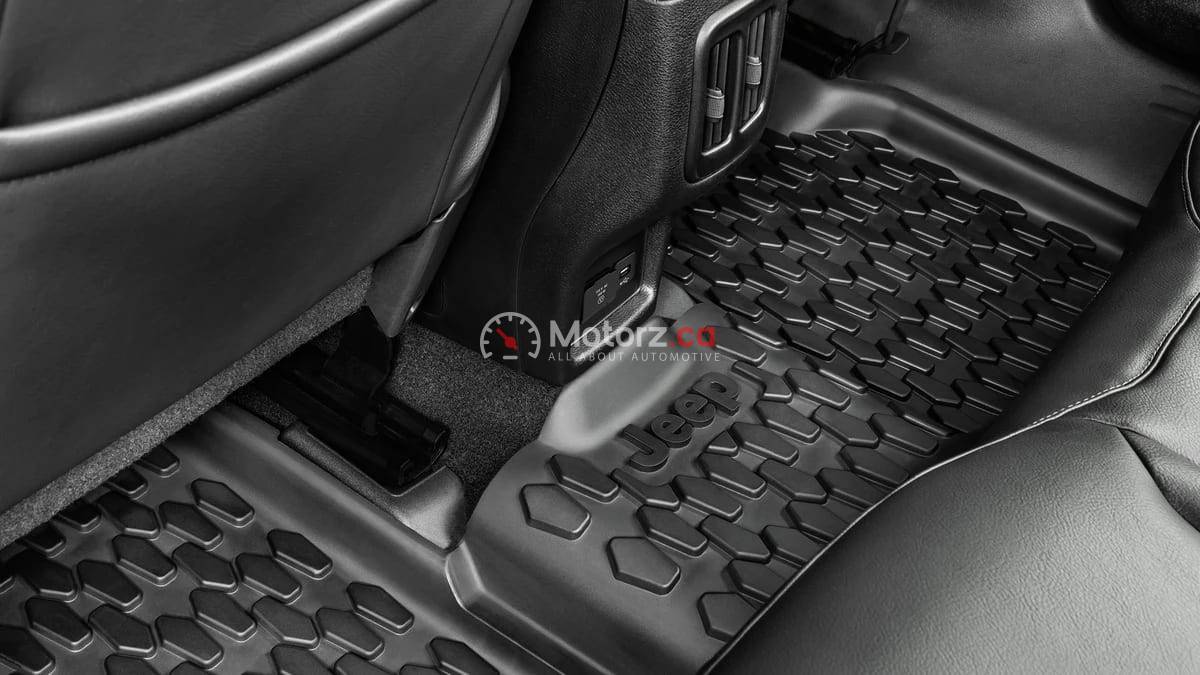
Floor liners are “tray-like” structures. They are laser-measured to fit the specific contours of a particular vehicle’s footwell. Unlike mats, liners feature high walls that ride up the sides of the carpeted area. This creates a waterproof basin that traps everything from spilled soda to melted snow, ensuring nothing touches the original factory carpet.
5 Reasons Why Car’s Interior Are a Smart Investment
If you are on the fence about spending 150 to 300 on a full set of custom liners, consider these five major benefits.
1. Superior Liquid Containment
This is the biggest selling point. If you drop a full water bottle on a flat rubber mat, the water will immediately flow onto your car’s carpet. Once that moisture gets under the carpet, it hits the insulation, where it can cause mold, mildew, and a permanent musty smell. Floor liners are designed to hold several cups of liquid safely until you can remove the liner and dump it out.
2. Preserving Resale Value
The condition of a car’s interior is a massive factor in its trade-in value. Permanent stains on the carpet or salt crust from winter driving can knock hundreds, if not thousands, off your car’s valuation. By using floor liners from day one, you ensure the floors look brand new when it comes time to sell.
3. Ease of Cleaning
Cleaning a car’s factory carpet involves vacuuming, scrubbing, and often using a steam cleaner. Cleaning a floor liner is simple:
Pull it out of the car.
Hose it down.
Wipe it dry.
Put it back. It turns a 45-minute chore into a 5-minute task.
4. Full Coverage Protection
Standard mats often leave the “dead pedal” (where you rest your left foot) or the area under the gas pedal exposed. Over time, these areas wear down and become threadbare. Custom liners cover every square inch of the footwell, including the humps and side walls.
5. Safety and Fitment
Generic mats are notorious for sliding around. A mat that bunches up under your brake or accelerator pedal is a major safety hazard. Because floor liners are molded to the exact shape of your floor and usually lock into the factory retention hooks, they stay perfectly in place.
Comparing Materials: Rubber vs. Thermoplastic
Not all floor liners are made of the same stuff. The material determines how they feel under your feet and how long they will last.
Thermoplastic Elastomer (TPE)
Most high-end brands like Weather Tech or Husky Liners use TPE. This is a rigid, plastic-like material that holds its shape incredibly well. It is resistant to chemicals and extreme temperatures, meaning it won’t curl in the summer or crack in the winter.
Heavy-Duty Rubber
Some liners are made of a softer, more flexible rubber. These feel a bit more “cushioned” and are better at dampening road noise. However, they can be heavier and might develop a “rubbery” smell when the car gets hot in the sun.
When Are Floor Liners NOT Necessary?
While they are fantastic, they aren’t for everyone. You might want to skip the high-end liners if:
You live in a dry, fair climate: If it never rains or snows where you live and you don’t frequent the beach, high-walled liners might be overkill.
You have a short-term lease: If you plan on turning the car back in within 24 months and don’t care about the minor wear and tear, the investment might not pay off for you personally.
Budget is the priority: If you just need something to keep the worst of the dirt off, a 30 set of universal rubber mats will do a “decent” job, even if they don’t offer total protection.
How to Choose the Best Brand for Your Vehicle
If you’ve decided to pull the trigger on a set of liners, you’ll likely run into three major players in the industry.
Weather Tech DigitalFit
Known for their “laser-measured” precision, WeatherTech is the industry standard. Their liners are quite stiff and have a very industrial, clean look. They are excellent for heavy mud and liquid.
Husky Liners (X-act Contour & Weather beater)
Husky Liners often use a slightly softer material than WeatherTech, which some drivers prefer because it feels less “plastic-y.” They also feature “Stay-Put Nibs” on the bottom to prevent the liner from shifting.
Smartliner
If you want the protection of a custom liner but are on a tighter budget, Smartliner is a popular alternative. They offer similar coverage and liquid containment at a lower price point, though the material may feel slightly thinner than the premium brands.
Maintenance Tips: Keeping Your Liners Looking New
One common complaint is that black floor liners can look “ashy” or grey after a few months of use. To keep them looking dark and fresh:
Avoid Silicone Dressings: Never use products like Armor All on your liners. It makes them incredibly slippery, which is dangerous for your feet while driving.
Use Specialized Cleaners: Brands like Weather Tech sell specific cleaners and “protectants” that restore the black finish without making the surface slick.
Pressure Wash Carefully: A pressure washer is great for removing dried mud, but keep the nozzle at least 12 inches away to avoid scarring the material.
The Verdict: Are They Worth the Money?
When you consider that a professional interior detailing to remove salt stains and mold can cost 200 or more, floor liners practically pay for themselves after the first major spill or winter season.
They provide peace of mind. You no longer have to panic when a passenger climbs in with muddy shoes or when you’re transporting groceries that might leak. For the average car owner, especially those with families, pets, or outdoor hobbies, floor liners are one of the best aftermarket investments you can make for your vehicle.