



If you live in a climate with Tire Installation and Storage Fees, you know the drill all too well. Twice a year, you join the frantic rush to the local garage to swap your summer rubber for winter treads—and then back again. By the time you pay for the mounting, the balancing, the new valves, and the “convenience” fee for the shop to keep your off-season tires in their warehouse, you have spent hundreds of units of currency.
Are you tiring of tire installation and storage fees? You are not alone. For many drivers, these recurring costs feel like an unavoidable “seasonal tax” on car ownership. But what if you could eliminate those storage fees entirely or reduce your installation costs to nearly zero?
In this comprehensive troubleshooting guide, we will break down the true cost of tire maintenance and provide actionable strategies to help you keep that money in your pocket without compromising your road safety.
The Tire Installation and Storage Fees Swaps
Most drivers only look at the bottom line of their invoice, but understanding the breakdown of tire fees is the first step toward beating them.
Mounting and Balancing Fees
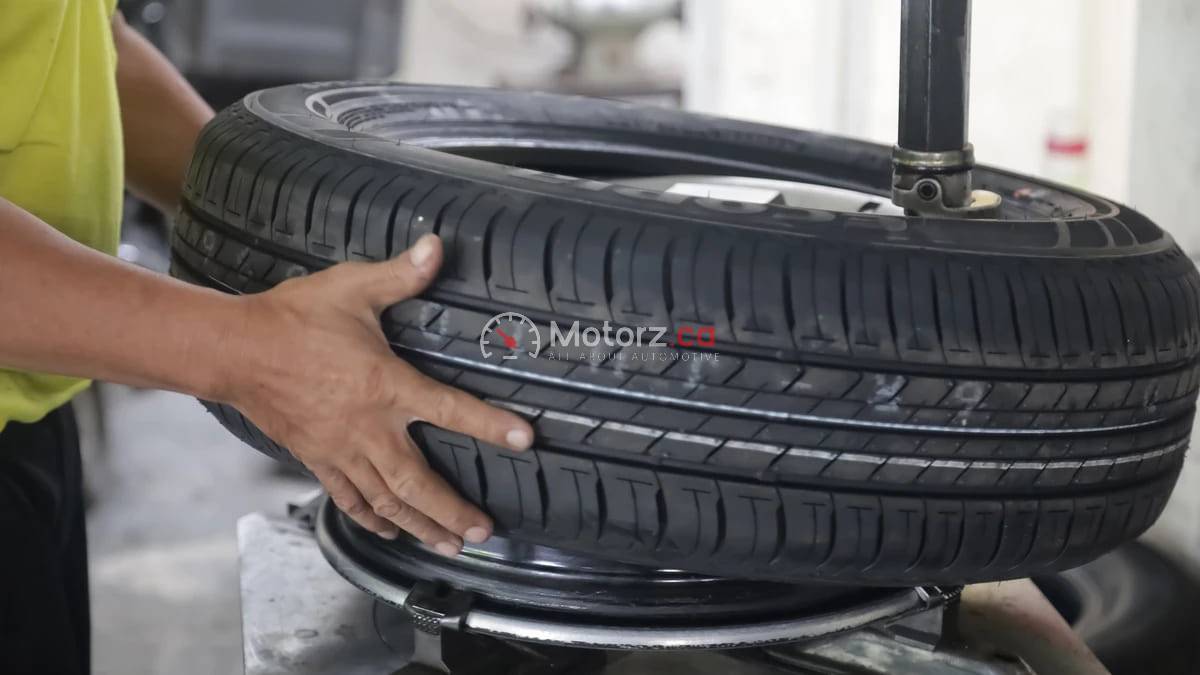
When you have one set of rims and two sets of Tire Installation and Storage Fees, a technician must physically pry the old tire off the metal wheel and stretch the new one on. This is labor-intensive and requires expensive machinery. After mounting, they must “balance” the wheel using small lead weights to ensure it rotates smoothly at high speeds.
Storage Fees
Many urban dwellers or those with limited garage space opt for professional tire storage. While convenient, shops often charge between 50 and 150 units of currency per season just to let your tires sit on a shelf. Over five years, you could easily spend more on storage than you did on the tires themselves.
Strategy 1: The “Second Set of Rims” Solution
If you want to stop paying for mounting and balancing twice a year, the single most effective move is to buy a second set of wheels (rims) for your winter tires.
How It Saves You Money
When your winter tires are already mounted on their own dedicated rims, the “tire swap” becomes a simple “wheel swap.”
Reduced Labor: A shop usually charges significantly less to swap four wheels than they do to mount and balance four tires.
DIY Potential: If the tires are already on rims, you can change them yourself in your driveway with a basic jack and lug wrench, eliminating the installation fee entirely.
Steelies vs. Alloys
For winter use, many drivers choose steel wheels (often called “steelies”). They are much cheaper than aluminum alloy wheels, more durable against salt and potholes, and you won’t care if they get a little rusty or scratched.
Strategy 2: Mastering At-Home Tire Storage
If you are paying a shop to store your tires, you are paying for space you might already have. Even if you live in a small apartment or have a crowded garage, there are ways to store tires safely.
The Golden Rules of Tire Storage
To ensure your tires don’t rot or flat-spot while in storage, follow these steps:
Clean Them First: Use soap and water to remove brake dust and road salt. If left on, these chemicals can degrade the rubber over six months.
Use Airtight Bags: Place each tire in a large, dark plastic bag (opaque lawn bags work well). Remove as much air as possible and tape it shut. This prevents the oil in the rubber from evaporating.
Store in a Cool, Dry Place: Avoid storing tires near electric motors (like a furnace or sump pump), as they produce ozone, which eats through rubber.
Position Matters: If the tires are on rims, store them stacked vertically or hanging from a rack. If they are just the rubber (no rims), store them standing upright in a row.
Creative Storage Ideas
Tire Totes: These are fabric covers with handles that make carrying tires cleaner and easier.
Wall Racks: If floor space is the issue, an inexpensive wall-mounted tire rack can move your set up toward the ceiling, utilizing “dead space” in your garage.
Strategy 3: Are All-Weather Tires the Answer?
One of the most effective ways to stop paying tire fees is to stop swapping tires altogether. However, you must choose the right technology.
All-Season vs. All-Weather
Many people confuse these two.
All-Season Tires: These are actually “three-season” tires. They lose grip once the temperature drops below 7 Celsius.
All-Weather Tires: These are a newer category. They carry the “Three-Peak Mountain Snowflake” symbol, meaning they are legally rated for severe snow, yet they can be driven all summer without wearing out prematurely.
The Benefit: By switching to a high-quality All-Weather tire (like the Michelin CrossClimate or Goodyear Assurance WeatherReady), you can drive the same set of tires year-round. You save on installation, storage, and the headache of scheduling appointments.
DIY Tire Swapping: What Tools Do You Need?
If you decide to take the “dedicated rims” route and do the work yourself, you will need a small initial investment in tools. These usually pay for themselves after just two swaps.
Floor Jack: Avoid the “scissor jack” that came with your car; it is for emergencies only. A hydraulic floor jack is much safer and faster.
Jack Stands: Never put your body under a car supported only by a jack. Always use jack stands for safety.
Torque Wrench: This is non-negotiable. It ensures your lug nuts are tightened to the exact manufacturer specifications—not too loose (dangerous) and not too tight (which can warp your brake rotors).
Tire Pressure Gauge: Tires lose pressure while sitting in storage. You must check and adjust the PSI before your first drive.
When Professional Installation is Unavoidable
Sometimes you simply have to go to the shop—perhaps for a brand-new set of tires or a wheel alignment. Here is how to keep those costs down:
Book in the “Off-Season”: Don’t wait for the first snowflake to fall. Shops are slammed in November and may charge premium rates. Book your swap in early October or late March.
Price Match: Many large tire retailers will match the installation price of their competitors if you bring in a printed quote.
Bundle Services: If you need an oil change or a brake inspection, ask for a discount on the tire swap labor since the car is already going up on the lift.
Frequently Asked Questions
Will storing tires in my shed ruin them?
As long as the shed is dry and the tires are kept out of direct sunlight, a shed is fine. However, extreme heat in the summer can accelerate rubber aging, so an insulated garage or basement is better.
Can I change my own tires if my car has TPMS?
Yes. Tire Pressure Monitoring Systems (TPMS) usually reset themselves after a few miles of driving. Some older vehicles may require a small “relearn tool” to sync the new sensors to the car’s computer, but these are inexpensive and easy to use at home.
How long do tires last in storage?
Rubber has a shelf life. Even if the tread is perfect, tires older than six to ten years should be replaced due to internal structural degradation. Always check the DOT date code on the sidewall.
Take Control of Your Tire Costs
Tire installation and storage fees don’t have to be a permanent part of your financial life. Whether you choose to invest in a second set of rims for DIY swaps, move your storage to a garage wall rack, or simplify your life with all-weather tires, there is a solution that fits your lifestyle.
The money you save this year could pay for your next set of premium tires or a well-deserved road trip. Start by looking at your garage space and your tool kit—you might be surprised at how easy it is to retire those fees for good.