

The promise of a Plug-in Hybrid Electric Vehicle (PHEV) is the best of High-Voltage Battery Fire: the efficiency of an electric motor for city commutes and the long-range reliability of an internal combustion engine. However, for thousands of BMW owners, that promise has been interrupted by a serious safety alert.
BMW has issued a significant global recall for a range of its PHEV models due to a high-voltage battery defect that could lead to a fire. Unlike many recalls that only affect a car while it is in motion, this specific issue poses a threat even when the vehicle is stationary and plugged into a charging station.
If you drive a BMW hybrid, this is not a notice to ignore. In this comprehensive guide, we will break down the mechanics of the battery failure, identify the specific 2024 to 2026 models affected, and provide the exact safety protocols BMW has issued to keep your home and vehicle safe while waiting for a repair.
The Root Cause: Why Are High-Voltage Battery Fire Overheating?
At the heart of every BMW PHEV is a sophisticated high-voltage battery pack. To maintain high performance and fast charging, these batteries are built with extremely tight tolerances.
Manufacturing Contamination
According to data filed with Electric Vehicle safety regulators (including the NHTSA), the primary issue stems from debris—specifically small metal particles—that may have been trapped inside the battery cells during the manufacturing process.
When the battery is charged, especially during a high-speed charging cycle, these microscopic particles can cause an internal short circuit. In rare cases, this leads to a “thermal event,” where the heat generated by the short circuit triggers a chain reaction in the surrounding cells, potentially resulting in a fire.
Software vs. Hardware Failure
While some BMW recalls can be fixed with an Over-the-Air (OTA) software update, this battery issue is a hardware defect. No amount of coding can remove physical debris from inside a sealed battery cell. This means that for most affected vehicles, the physical battery modules must be inspected and, in many cases, completely replaced.
Affected Models: Is Your BMW PHEV on the List?
This recall impacts a wide variety of BMW’s “eDrive” and hybrid lineups. Because BMW uses shared battery technology across its platforms, several different series are included in the sweep.
The 2024–2026 BMW PHEV Lineup
The following models produced between 2023 and 2026 are the primary focus of the recall:
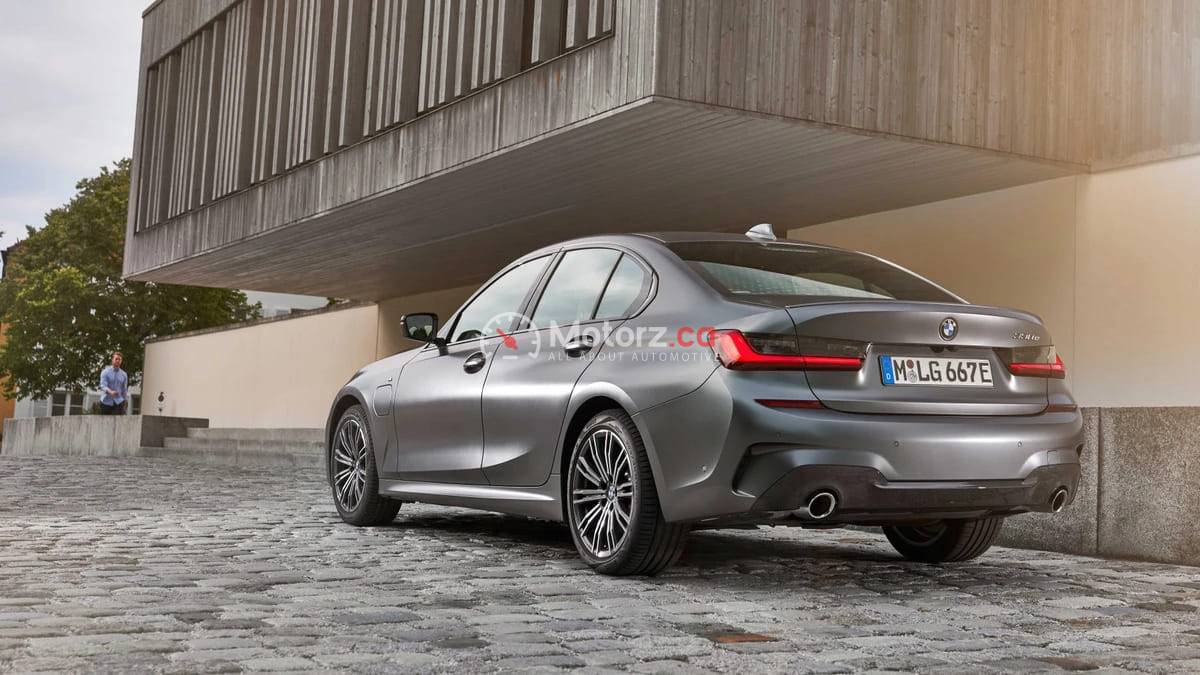
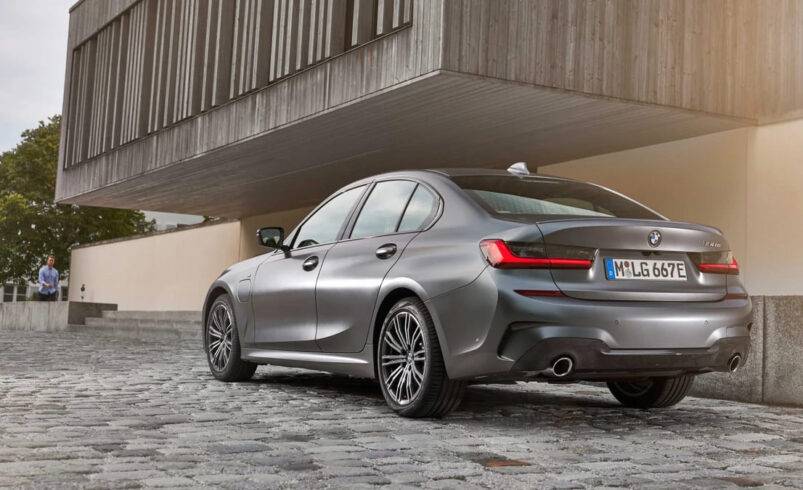
BMW 330e and 330e xDrive: The popular executive sedan.
BMW 550e xDrive: The recently released 2025 and 2026 luxury hybrid.
BMW 750e xDrive: The flagship hybrid sedan.
BMW X5 xDrive50e: One of the most common luxury hybrid SUVs on the road today.
BMW XM: The high-performance “M” hybrid SUV.
Note on the 2026 Models: Even brand-new 2026 models built in late 2025 are being flagged, as the battery components used in assembly were part of the contaminated batch.
Urgent Safety Instructions: “Stop Charging” Protocol
Until your vehicle has been inspected by a certified BMW technician, the manufacturer has issued a set of strict guidelines to minimize the risk of fire.
Do Not Plug In
The risk of fire is significantly higher when the battery is under the stress of a charging cycle. BMW is advising owners of affected vehicles to stop charging their cars immediately. You should continue to drive using the gasoline engine only.
Maintain Low Battery Levels
Ironically, for this specific defect, a lower state of charge is safer. BMW recommends that owners do not allow their electric range to reach “Full” through regenerative braking if possible.
Parking Recommendations
As a secondary precaution, BMW and safety agencies recommend parking affected vehicles outside and away from structures (like garages or carports). While the risk is low, an electrical fire in a garage can spread to a home in minutes.
The Repair Process: What BMW is Doing to Fix It
Because this recall involves high-voltage components, the repair must be handled by a specialized High-Voltage Certified Technician.
Diagnostic Scanning: The dealer will first run a specialized diagnostic test to check for internal resistance fluctuations that indicate a short circuit.
Module Replacement: If the battery fails the diagnostic test, the dealer will remove the battery pack and replace the specific affected cell modules.
The Cost: As with all safety recalls, this repair is 100 percent free. There are no charges for parts or labor.
The Waiting List
Due to the global nature of this recall and the complexity of shipping high-voltage batteries, parts may be on backorder at some dealerships. It is essential to get your name on the service list as soon as you receive your notification letter.
Helpful Tips for BMW Hybrid Owners
Managing a recall on a premium vehicle can be frustrating, but these tips can help streamline the process:
Leverage the Warranty: If your vehicle is grounded due to a lack of parts, ask your dealer about a loaner vehicle. Many BMW centers will provide a gasoline-powered 3 Series or X3 while your hybrid is being serviced.
Keep Your Gasoline Tank Full: Since you cannot charge the vehicle, you will be relying entirely on the internal combustion engine. Ensure you have plenty of fuel for your daily commute, as the hybrid system will not be providing its usual efficiency boost.
Prioritizing Safety Over Convenience
BMW remains a leader in the transition to electrification, but this global recall is a reminder of the growing pains associated with high-voltage battery technology. While it is inconvenient to lose the ability to charge your vehicle, the risk of an engine bay fire is a far greater concern.