

When you spend upward of Software Patch on a hypercar, you expect absolute perfection. From the hand-stitched leather to the 1,500-horsepower W16 engine, every inch of a Bugatti is designed to push the boundaries of physics. However, in the modern automotive world, hardware is only half the battle. Software now governs everything from gear shifts to safety systems—and even Bugatti isn’t immune to a “bug” in the code.
Bugatti has issued a recall for specific units of the Chiron, Chiron Sport, and the ultra-exclusive Divo. While the term “recall” usually brings to mind dusty service bays and waiting room coffee, for a Bugatti owner, it’s a different experience entirely. Yet, the reason behind this recall is a serious programming issue involving the vehicle’s Electronic Stability Control (ESC) and instrument cluster compliance.
In this deep dive, we explore why these engineering masterpieces were called back to the “Atelier,” the specific software glitches involved, and how Bugatti’s “Flying Doctors” ensure these multi-million-unit assets remain at the pinnacle of performance.
The Glitch in the Matrix: Understanding the Programming Issue
The primary reason for the recent recall involves the Electronic Stability Control (ESC) system. In the world of hypercars, the ESC is the digital guardian that prevents a 1,500-horsepower car from becoming a spinning top when the driver applies too much throttle.
The “Handling Mode” Memory Fault
The specific programming issue occurs when a driver selects the vehicle’s Handling Mode. Under normal safety regulations (such as those set by the NHTSA in the U.S. and ECE in Europe), a vehicle’s stability systems must default to “Full On” every time the engine is restarted.
Bugatti discovered that if a driver left the car in Handling Mode and turned off the ignition, the ESC would not automatically reset to the default “safe” setting upon the next startup. While this might seem like a minor inconvenience for a seasoned driver, it represents a non-compliance with federal safety standards designed to protect drivers who might forget they’ve deactivated certain safety nets.
The Seatbelt Chime Compliance (2024–2026 Update)
More recently, Bugatti identified a secondary programming issue regarding the instrument cluster software. Specifically, the audible seatbelt warning chime was not activating immediately when the ignition was turned on if the driver was unbuckled. Instead, the software was programmed to wait until the car reached 15 mph or had traveled a certain distance. While logical in theory, federal standards require the chime to activate the moment the ignition is “on”—even if the car is stationary.
Affected Models: From the Chiron to the Exclusive Divo
Because Bugatti production is so limited, a “massive” recall for them involves fewer cars than a typical Ford or Toyota dealership sees in a single afternoon.
Bugatti Chiron & Chiron Sport: The flagship models produced between 2017 and 2023.
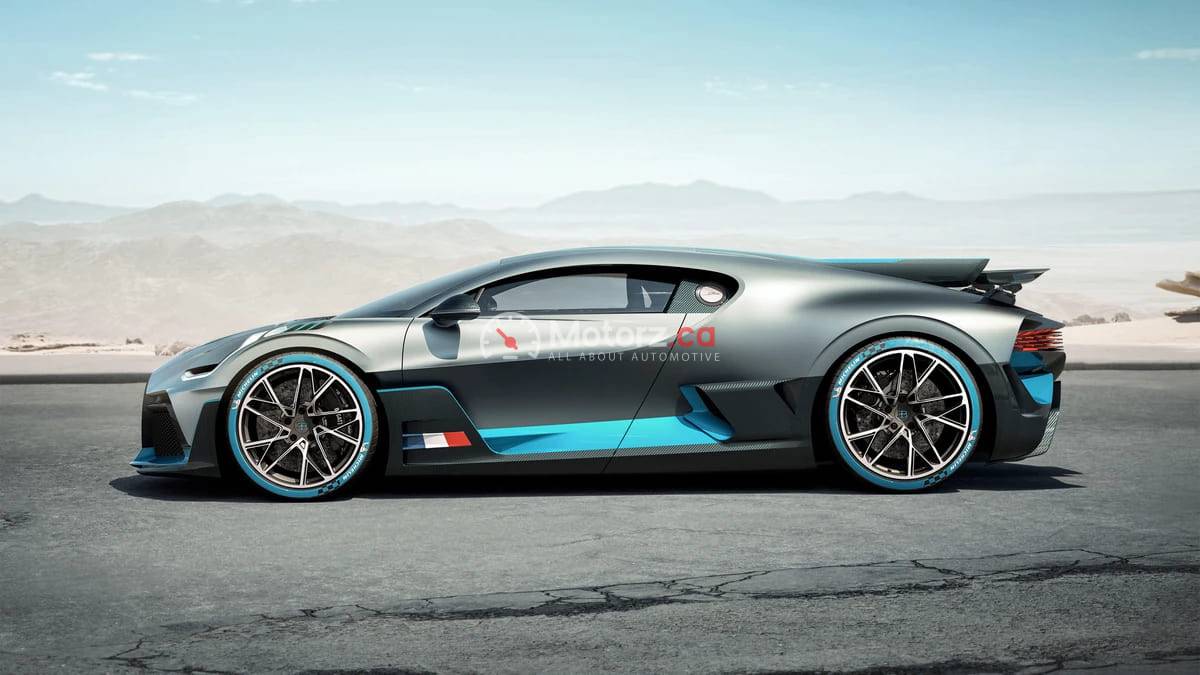
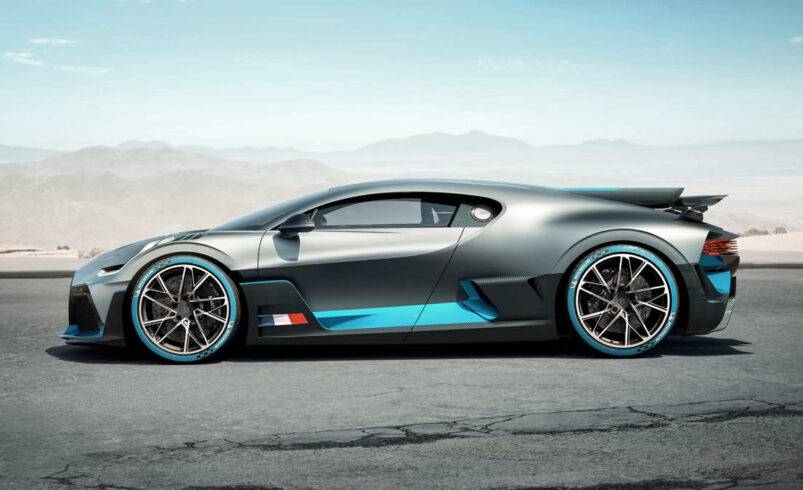
Bugatti Divo: An even rarer, track-focused beast limited to just 40 units worldwide.
In total, fewer than 200 vehicles were affected globally by these specific software non-compliance issues. However, given that these cars can reach speeds of over 260 mph, ensuring the stability software is 100 percent compliant is not just a legal requirement—it is a safety necessity.
High-Velocity Service: The “Flying Doctors” Experience
One does not simply drive a Bugatti to a local “Quick Lube.” When a recall is issued for a Chiron or Divo, the brand’s legendary Flying Doctors leap into action.
Personalized Concierge Support
Bugatti owners are contacted directly by the factory or their personal concierge. For software-based recalls, Bugatti often sends technicians directly to the owner’s private climate-controlled garage. These “Flying Doctors” carry specialized diagnostic laptops that interface with the car’s bespoke ECU to flash the new firmware.
Enclosed Transport
If the repair requires more than a software patch—such as the 2020 recall for a potential driveshaft failure—Bugatti handles everything. The vehicle is loaded onto a specialized, enclosed transport truck and taken to one of the few certified Bugatti service “Ateliers” in the world. The car is treated more like a piece of fine art being moved between museums than a vehicle going in for a “tune-up.”
Why Software Recalls are the New Normal for Hypercars
As we move deeper into 2026, the line between a car and a computer continues to blur. Even a mechanical titan like the Bugatti W16 engine is controlled by millions of lines of code.
Complexity: Modern hypercars use “sensor fusion” to manage aerodynamics, suspension stiffness, and engine cooling simultaneously. A single line of code in the wrong place can affect how the car feels at 200 mph.
Safety Regulations: Governments are constantly updating safety standards. What was compliant in 2018 may require a software update in 2026 to stay road-legal.
Precision: In a car with 1,600 Nm of torque, the “traction control” software has to be perfect. Even a millisecond of delay in the ESC’s response could result in a loss of control.
What Should Bugatti Owners Do?
If you are one of the fortunate few to have a Chiron or Divo in your collection, the steps are simple:
Check Your Portal: Bugatti owners have access to a private digital portal where all technical service bulletins (TSBs) and recalls are listed by VIN.
Wait for the Call: Bugatti’s customer service is proactive. If your car is affected, you likely already have an encrypted message or a phone call waiting.
Ensure Compliance: Even if you never plan on turning off the ESC, getting the software update is vital for the car’s “Bugatti Certified” service history, which is essential for maintaining the vehicle’s astronomical resale value.
Perfection is a Moving Target
The fact that Bugatti is recalling vehicles for a “start-up chime” or an ESC “memory setting” is a testament to the brand’s commitment to perfection. In the world of multi-million-unit hypercars, there is no such thing as “close enough.”
By addressing these programming issues quickly and professionally, Bugatti ensures that the Chiron and Divo remain the benchmarks of automotive excellence—both in their hardware and their code. It’s a reminder that even the world’s most powerful cars need a “reboot” every now and then.