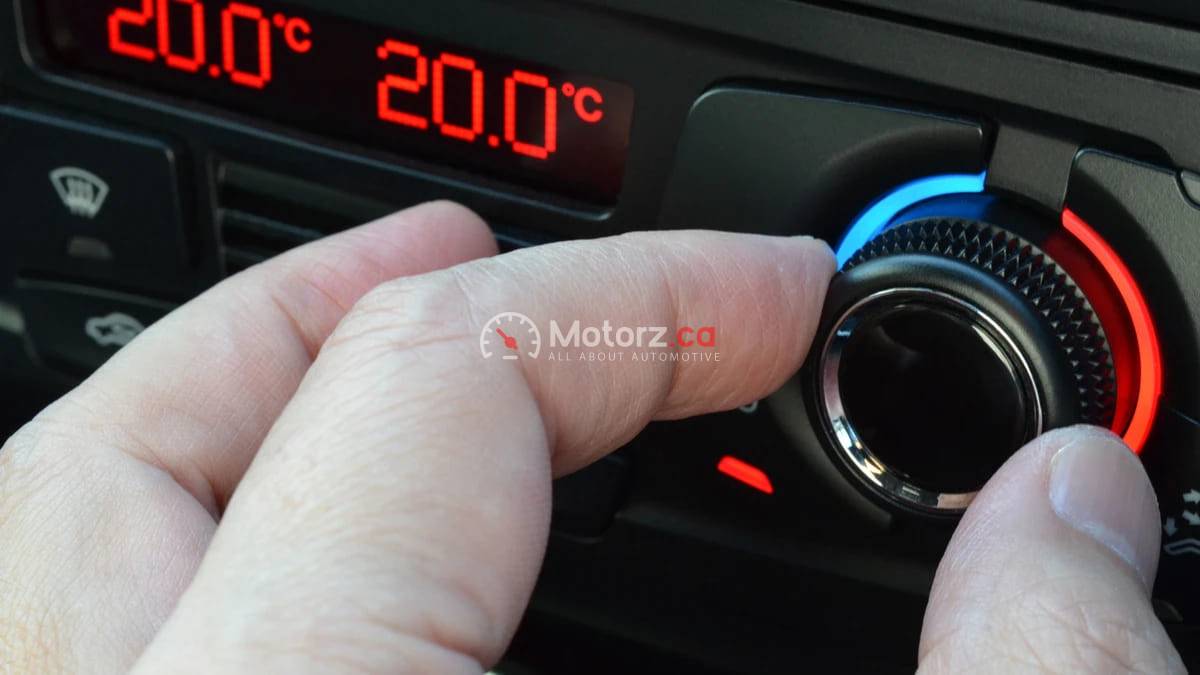
It is the middle of a sweltering summer afternoon. The pavement is radiating heat, and you just got into your car after it parked in the sun for hours. You turn the Car AC Blowing Hot Air, start the engine, and immediately crank the air conditioning to max. You wait anxiously for that refreshing wave of arctic air.
Instead, you are blasted directly in the face with a gust of humid, lukewarm wind.
You wait a minute, hoping it just needs time to kick in. But five minutes later, you are sweating through your shirt, and the air vents are still acting like a hair dryer.
A malfunctioning car climate system is one of the most frustrating issues a driver can face. When your vehicle’s air conditioning starts blowing hot air, it turns every commute into an exhausting endurance test.
The good news? A warm climate system does not always mean a total system failure or an expensive mechanical disaster. Many times, the issue stems from a minor, easily fixable component.
Let’s break down how your car’s cooling loop functions, explore the most common culprits behind the heat, and look at exactly how to get frosty air flowing through your vents once again.
How Your Car AC Blowing Hot Air System Works
Before jumping into what goes wrong, it helps to understand how the system is supposed to behave. Many people assume that an air conditioner creates cold air out of nothing. In reality, your car’s climate system works by removing heat and moisture from inside the cabin and dumping it outside the vehicle.
The system relies on a continuous loop of a chemical compound known as refrigerant (often referred to by the brand name Freon). This substance shifts back and forth between a liquid and a gas state as it travels through several core mechanical components:
The Compressor: Often called the heart of the system, this pump is driven by your engine’s serpentine belt. It compresses the low-pressure gas refrigerant into a high-pressure, highly concentrated hot gas.
The Condenser: Located at the very front of your car right next to the radiator, the condenser acts like a mini-radiator. High-velocity air passing through your grille cools down the hot gas inside, converting it into a high-pressure liquid.
The Expansion Valve or Orifice Tube: This tiny component acts as a gateway, restricting the flow of the liquid refrigerant and dropping its pressure rapidly. This sudden drop causes the liquid to become exceptionally cold.
The Evaporator: Tucked deep inside your dashboard, this core gets freezing cold as the low-pressure liquid flows through it. Your car’s blower motor pushes warm cabin air across the outside of the evaporator. The refrigerant absorbs the heat from the air, leaving a frosty breeze to exit your dashboard vents. The warmed-up refrigerant turns back into a gas, flows back to the compressor, and the cycle starts all over again.
If even one link in this chemical chain breaks down, the entire heat-extraction process stops, leaving you with ambient or engine-warmed air blowing into your face.
The Top 6 Reasons Your Car AC is Blowing Warm Air
When troubleshooting a warm climate control system, mechanics look at a predictable list of suspects. Here are the primary reasons why your vents are blasting heat instead of frost.
Low Refrigerant Levels
Refrigerant is the lifeblood of the cooling loop. Unlike motor oil or windshield wiper fluid, a vehicle’s climate control system is a completely sealed environment. Under ideal conditions, it should never consume or “burn” refrigerant.
If your system is low on refrigerant, it means you have a leak somewhere in the loop.
When the volume of fluid drops below a specific threshold, the internal pressure drops too low to trigger the cooling cycle. Small leaks often happen at rubber seals, O-rings, or flexible hoses that dry out, crack, and degrade over time due to engine vibrations and intense heat cycles.
A Failing or Seized AC Compressor
If the refrigerant is the blood of the system, the compressor is the heart. If the compressor cannot pump, the refrigerant cannot move through the high-pressure and low-pressure sides of the loop.
Compressors typically fail due to internal mechanical wear or a lack of proper lubrication (the system relies on a specific oil mixed directly into the refrigerant). Alternatively, the compressor clutch can fail. The compressor uses an electromagnetic clutch to engage and disengage from the engine’s belt power. If the clutch gets stuck in the “off” position, the pulley spins freely, but the actual pump inside never turns on.
A Blocked or Damaged Condenser
Because the condenser sits at the very front of the vehicle engine bay, it acts as a shield against road debris. Over time, it can become clogged with leaves, plastic bags, dirt, or swarms of insects.
If debris blocks the tiny aluminum fins of the condenser, ambient air cannot pass through to cool down the high-pressure refrigerant gas. Instead of turning back into a cool liquid, the refrigerant stays hot, carrying that thermal energy right back toward your dashboard.
Furthermore, road pebbles can puncture the delicate aluminum tubes of the condenser, creating a massive refrigerant leak that empties the loop within minutes.
Electrical Failures and Blown Fuses
Modern automotive climate control loops are heavily managed by electronics. Your car uses an intricate web of fuses, relays, pressure switches, and control modules to monitor system safety.
If a simple fuse pops or a relay fails, the power supply to the compressor clutch or the cooling fans can cut out instantly. A failed high-pressure or low-pressure sensor can also trick your car’s main computer into thinking the system is failing, causing the computer to shut down power to the compressor as a protective measure.
Broken or Sticky Blend Door Actuators
Sometimes, your entire refrigeration loop is working flawlessly under the hood, but the cold air simply cannot reach you. Deep inside your dashboard sits a complex network of plastic ventilation flaps called blend doors. These doors are moved by small electric motors called actuators.
When you switch your temperature dial from hot to cold, an actuator rotates a blend door to seal off the heater core (which uses hot engine coolant to heat the car) and open the passage to the cold AC evaporator. If the blend door actuator fails or snaps, the flap can get permanently stuck on the hot side. Your AC system will create freezing cold air, but the ventilation system will force it to mix with hot engine air before it ever leaves the vents.
Faulty Radiator or Condenser Fan
When your vehicle is moving down the highway at highway speeds, natural airflow is more than enough to cool down the condenser. However, when you are idling in traffic or waiting at a stoplight, the system relies entirely on electric cooling fans to pull air through the grille.
If your electric radiator fans fail due to a burnt-out motor or bad wiring, the condenser will overheat rapidly when the vehicle is stationary. You will notice a highly specific symptom: your AC blows reasonably cold while driving fast on the open road, but turns completely warm the moment you stop or slow down.
How to Diagnose Your Car’s AC at Home: A Step-by-Step Guide
While a complete repair often requires specialized gear, you can perform a significant amount of diagnostic work right in your driveway with zero special tools.
The Cabin Air Filter: The Hidden Blockage
Sometimes, the issue isn’t that the air is hot, but rather that there is almost zero airflow coming out of the vents, making it feel like the cabin never cools down. Before panicking about expensive mechanical components, check your cabin air filter.
Most modern cars feature a pleated paper filter tucked neatly behind the glove box. This filter cleans the air entering your climate control system, catching pollen, dust, soot, and leaves.
If you haven’t changed this filter in years, it can become so choked with debris that it completely chokes off the blower motor’s air supply. The lack of adequate airflow can cause the evaporator core inside your dash to physically freeze over into a block of solid ice, stopping all ventilation.
Replacing a cabin air filter takes less than five minutes on most vehicles and requires no tools. It is an excellent, low-cost maintenance step to try before taking your car to a commercial repair facility.
The Truth About DIY Recharge Kits: Procedural Dangers and Pitfalls
If you walk into any auto parts retail store during the summer, you will see rows of colorful cans containing DIY AC recharge kits. These products promise a quick, cheap fix: just attach the plastic hose to your car’s low-pressure port, squeeze the trigger, and blast your system full of new refrigerant.
While these kits can occasionally work as a temporary patch for minor seasonal leaks, they can easily cause massive damage if used incorrectly.
The Danger of Overcharging the Loop
When it comes to automotive cooling, more refrigerant does not mean more cooling power. Your car’s system requires a highly precise volume of fluid, often measured down to the exact ounce or gram on a factory spec sticker under the hood.
If you add too much refrigerant using a cheap DIY bottle gauge, you will overcharge the system. This shoots the internal operating pressures sky-high.
When pressure exceeds safe limits, your car’s safety switch turns off the compressor entirely to prevent an explosion, resulting in hot air blowing out of your vents. Even worse, liquid refrigerant can back up into the compressor inlet. Because liquids cannot be compressed, this instantly destroys the internal pistons of the compressor, turning a minor issue into a major repair bill.
Masking the Real Issue
Squirting a fresh can of refrigerant into a leaking car does nothing to fix the physical hole or failed seal that allowed the original gas to escape. The new refrigerant will simply bleed out into the atmosphere, sometimes within a few days or weeks.
Additionally, many DIY cans contain “stop-leak” chemical additives. These sealants are designed to swell old rubber rings, but they can easily solidify inside the tiny orifice tubes and expansion valves, permanently clogging the interior channels of your climate system.
When to Put Down the Tools and Call a Professional
While checking fuses and cleaning out insects from your grille is perfectly safe, certain aspects of automotive climate service require specialized training and equipment. You should take your vehicle to a certified shop if you experience any of the following:
Handling Open Refrigerant Lines: It is illegal in many regions to intentionally vent chemical refrigerants into the atmosphere because they are incredibly potent greenhouse gases. Professionals use closed-loop recovery machines to safely vacuum out the old gas, scrub it clean, and store it responsibly.
Performing a Deep System Vacuum: If your system has experienced a massive leak or a component replacement, atmospheric air and humidity will enter the lines. Moisture is the ultimate enemy of an air conditioner; it mixes with refrigerant to create a highly corrosive acid that destroys metal components from the inside out. Mechanics use specialized vacuum pumps to draw the system down into a deep vacuum, boiling off all internal moisture before refilling the fluid.
Replacing Core Under-Dash Components: Swapping out a failed evaporator core or a broken blend door actuator often requires removing the entire dashboard, steering column, and passenger airbags. This is an incredibly labor-intensive process that is best left to experienced technicians.
Keeping Your Cool on the Road
A car AC system blowing hot air can quickly ruin your driving experience, but understanding how the system behaves empowers you to make smart choices. By starting with simple checks like cleaning your condenser, replacing your cabin filter, and monitoring your compressor clutch, you can often save yourself time and avoid unnecessary stress.
If you do need to head to a professional shop, knowing the terminology and basic mechanics ensures you can have an informed, confident conversation with your technician. Keep your system maintained, take care of leaks early, and enjoy a cool, comfortable cabin all year long.