




The modern Electrical Repairs is no longer just a collection of gears, belts, and pistons. In 2026, your car is essentially a high-performance supercomputer on wheels, wrapped in a ton of steel and glass. While “old-school” mechanics could fix almost anything with a test light and a roll of electrical tape, those days are long gone. Today, a single misplaced wire or a “quick” splice can lead to a cascade of system failures that could cost thousands of units to rectify.
When you notice a flickering dashboard light or a power window that moves at a snail’s pace, the temptation to “DIY” the fix is strong. But in the world of automotive electronics, “shorting” yourself on a professional repair often leads to a literal short circuit. In this edition of Your Corner Wrench, we explore why automotive electrical work has become so complex, the hidden dangers of amateur wiring, and why precision is the only way to keep your car’s “brain” healthy.
The Evolution of the Automotive Nervous System
To understand why electrical repairs are so critical, we have to look at how much has changed under the hood. In the past, a wire simply carried power from Point A to Point B. Today, wires carry complex data packets across a CAN bus (Controller Area Network).
From Wires to Data Streams
Modern vehicles use a networked architecture. Your door lock switch doesn’t just send electricity to a motor; it sends a digital request to a body control module, which then talks to the security system before finally triggering the lock. If you tap into one of these data lines to power an aftermarket accessory—like a dashcam or ambient lighting—you can “pollute” the data stream. This results in “ghost” errors, where your car thinks an airbag is deployed or the transmission is failing, all because of one “simple” wire splice.
The Rise of 48-Volt Systems and 800-Volt EVs
We are also seeing a shift away from the traditional 12-volt battery. Many 2026 mild-hybrids use 48-volt subsystems to power heavy-duty components like active suspension or electric turbochargers. If you are driving an EV, you are dealing with 400 to 800 volts. At these levels, “guessing” which wire is which isn’t just a risk to the car—it is a risk to your life.
Common DIY Electrical Blunders (and Their Real Costs)
Even well-meaning enthusiasts often make mistakes that professional technicians spend hours undoing. Here are the most frequent “shortcuts” that backfire.
The “Twist and Tape” Method
The most common mistake is joining two wires by twisting them together and wrapping them in electrical tape. In a house, this might last for years. In a car, it is a disaster waiting to happen.
The Reality: Cars vibrate, hit potholes, and endure extreme temperature swings. A twisted connection will eventually loosen, creating high resistance. This resistance generates heat, which can melt the surrounding plastic or, in the worst-case scenario, start a fire.
The Professional Fix: Technicians use specialized crimping tools or heat-shrink solder sleeves that create a weather-tight, vibration-resistant bond.
Over-Fusing a Circuit
If a fuse keeps blowing, it is doing its job—it is protecting the circuit from melting. A common “amateur” fix is to replace a 10-amp fuse with a 20-amp fuse so it “stops blowing.”
The Risk: You have now removed the safety net. Instead of the fuse blowing, the wire itself will become the fuse. The wire will glow red-hot inside your dashboard, potentially igniting the insulation and the carpet.
Ignoring the “Ground” Connection
Electricity must return to the battery to complete the circuit. Most DIYers focus on the “hot” side and ignore the “ground.”
The Symptom: If your taillights dim when you hit the turn signal, or your radio cuts out when you use the wipers, you likely have a corroded ground strap. Professionals don’t just “check” a wire; they perform a voltage drop test to see exactly how much power is being lost to rust and corrosion.
The Hidden Danger of Modern Sensors
Your car is packed with sensors—LiDAR, Radar, ultrasonic, and oxygen sensors—that rely on incredibly precise voltage readings.
The Millivolt Margin
Some sensors communicate in ranges as small as 0.1 to 0.9 volts. If you have a slightly corroded connector or a poor repair that adds just a tiny bit of resistance, the sensor will send the wrong data to the engine computer.
Example: A faulty oxygen sensor repair can make the car think it’s running “lean.” The computer will then dump extra fuel into the engine, ruining your fuel economy and eventually destroying your expensive catalytic converter.
Calibration Requirements
In 2026, replacing a sensor often isn’t enough. Many components require a software handshake or a “relearn” procedure. Without the proper diagnostic tablet to “introduce” the new part to the car’s computer, the part simply won’t work, even if it is installed perfectly.
Why “Scanning for Codes” is Only the First Step
Many people think that because they bought a 20-unit code reader, they are now “diagnostic experts.” But a code is not a diagnosis; it is a clue.
Code vs. Root Cause
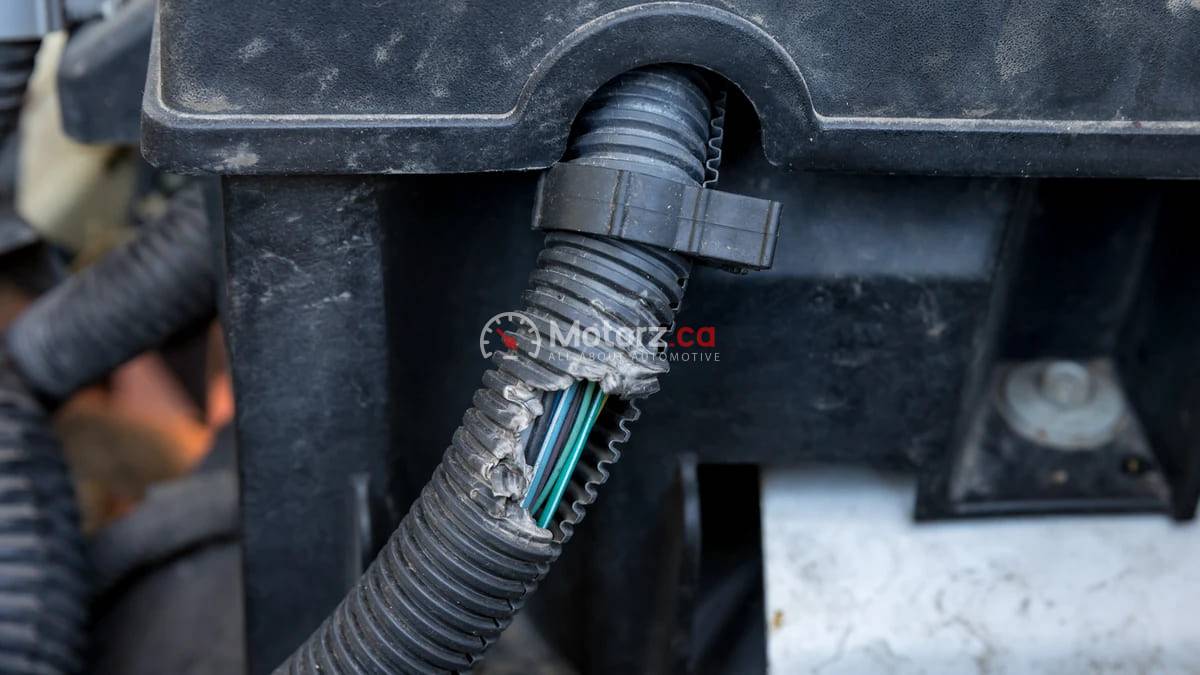
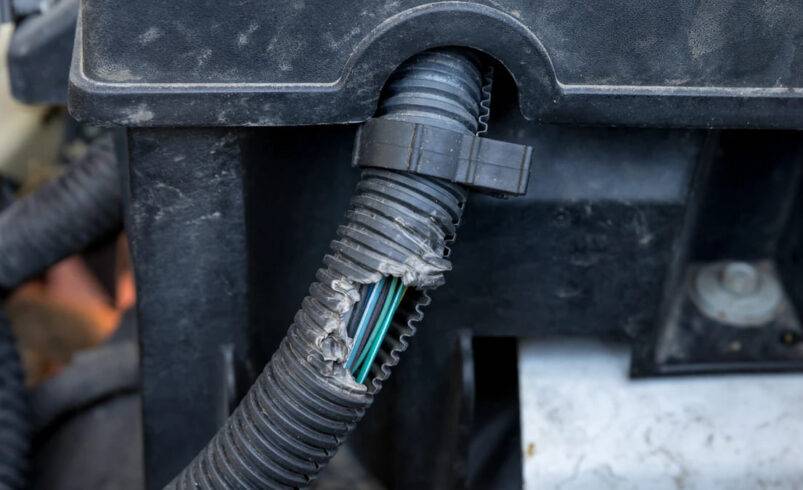
If your car throws a code for a “Mass Air Flow Sensor Signal Low,” a DIYer might spend 300 units on a new sensor. A professional will first check the wiring harness for rodent damage, check the ground pins, and check the 5-volt reference signal from the computer. Often, the “bad sensor” is actually just a 2-unit wire that was rubbed raw by a plastic bracket.
How to Protect Your Car’s Electrical Integrity
If you want to ensure your car stays out of the “electrical ghost” category, follow these best practices:
Keep It Dry: Ensure your battery terminals are clean and coated with a protective dielectric spray to prevent “green crusties” (corrosion).
Respect the Battery: Before doing any electrical work, disconnect the negative battery terminal. Modern modules are sensitive to “spikes” that can occur if you accidentally touch a live wire to a metal frame.
- Demand Quality Parts: Inexpensive aftermarket sensors often lack the internal shielding required to block electromagnetic interference (EMI). Stick with OEM (Original Equipment Manufacturer) or high-quality equivalents.