
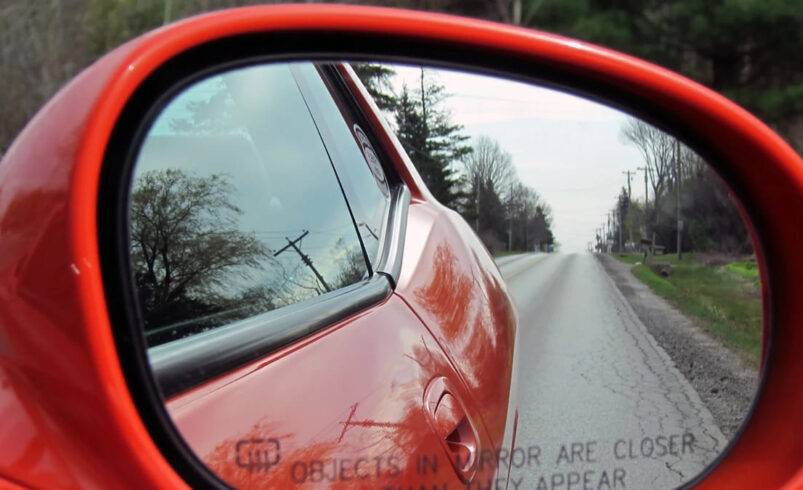

We often take them for Automotive Mirror Safety, but the mirrors on your vehicle are your primary “eyes” on the back of your head. Whether you are merging into a fast-moving lane on the highway, backing into a tight parking spot, or simply checking for cyclists before opening your door, your mirrors are critical for situational awareness. But what happens when they are “cracked up”—literally or figuratively?
In the modern automotive landscape of 2026, a car mirror is no longer just a simple piece of reflective glass. They are now high-tech housings for blind-spot sensors, turn signals, 360-view cameras, and auto-dimming heaters. When a mirror breaks, it isn’t just an aesthetic annoyance; it is a major safety deficit and a potential technical nightmare.
In this edition of Your Corner Wrench, we explore the evolution of the side-view and rearview mirror, how to handle a cracked or broken assembly, and why proper adjustment is still the most effective safety “technology” you have at your disposal.
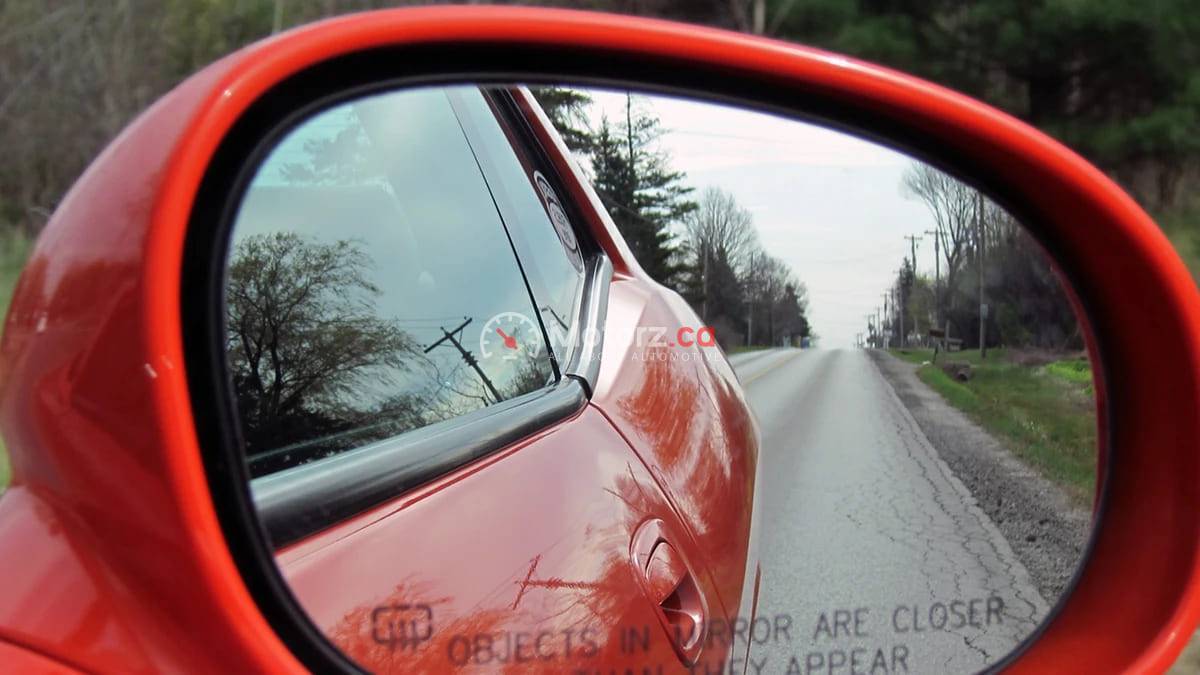
The Anatomy of a Modern Side-Automotive Mirror Safety
Back in the day, if you clipped your mirror on a garage Automotive Mirror Safety, you could buy a replacement glass for a few units of currency and glue it back on. Today, the side-view mirror is a complex computer peripheral.
The Hidden Technology Inside
A standard side-view mirror on a 2024–2026 model vehicle likely contains several of the following:
Blind Spot Monitoring (BSM) Indicators: Small LED icons that light up when a vehicle is in your danger zone.
Ambient Temperature Sensors: Many cars house their external temperature sensor inside the passenger-side mirror to keep it away from engine heat.
Heated Glass Elements: Thin wires behind the glass that melt ice and clear fog in seconds.
Side-View Cameras: Used for “bird’s eye” 360-degree parking views.
Auto-Dimming Electrochromic Gel: A layer that darkens automatically when it detects high-beam glare from vehicles behind you.
Why a “Simple” Crack is Complicated
If the glass is cracked, you might be tempted to just stick a new piece over it. However, if your mirror has a camera or a blind-spot sensor, that glass needs to be perfectly aligned and transparent for those systems to function. A DIY “stick-on” mirror can block the heating element or obscure the BSM light, rendering your safety tech useless.
Common Causes of Mirror Failure (Besides the Garage Door)
While physical impacts are the leading cause of mirror damage, there are internal failures that can catch owners by surprise.
Motor and Pivot Wear
Most mirrors today are “power folding.” Every time you lock your car, a small electric motor folds the mirrors in to protect them. Over time, the plastic gears inside these motors can strip or become clogged with road salt and grit. If your mirror is “stuck” or makes a grinding noise, the internal motor is likely failing.
Mirror “Vibration” and Glass Separation
Sometimes, the adhesive holding the glass to the motor plate begins to fail. You might notice the image in your mirror vibrating excessively at highway speeds.
The Risk: If you ignore this vibration, the glass can eventually fall off entirely while you are driving. If you notice a “shaky” mirror, it is time to have a technician inspect the mounting clips or apply a fresh, heat-resistant automotive adhesive.
Discoloration and “Bleeding”
On auto-dimming mirrors, the electrochromic gel can sometimes leak or “pool” at the bottom of the glass. This looks like a dark stain or an oily smudge that won’t wipe away. Unfortunately, this is an internal chemical failure, and the only fix is to replace the glass unit itself.
How to Adjust Your Mirrors to Eliminate Blind Spots
Even with the best technology, most drivers have their mirrors adjusted incorrectly. If you can see the side of your own car in your side mirrors, you are actually creating a larger blind spot.
The “Wide View” Method
To get the most out of your mirrors, follow this professional adjustment strategy:
The Rearview: Adjust your center mirror to frame the entire rear window. This is your “long distance” eye.
The Side-View (Driver): Lean your head to the left until it almost touches the window glass. Adjust the mirror until you can just see the side of your car.
The Side-View (Passenger): Lean your head toward the center of the car (over the center console). Adjust the passenger mirror until you can just see the side of your car.
The Result: When a car leaves your center rearview mirror, it should immediately appear in your side-view mirror. This seamless transition is the key to safe merging.
The DIY vs. Professional Repair Dilemma
If your mirror is truly “cracked up,” you have two paths for repair.
When DIY Works
If your mirror is a basic manual or power mirror without cameras or auto-dimming, you can often find “pre-cut” glass replacements.
Tip: Use a heat gun or a hair dryer to soften the old adhesive before prying out the broken shards. Always wear eye protection, as automotive mirror glass can splinter into very small, sharp pieces.
When You Need a Shop
If your mirror has a camera for a 360-degree view, you cannot simply swap the part and drive away.
Calibration Requirements: After a mirror with a camera is replaced, the vehicle’s computer needs to be “recalibrated.” This involves placing special targets around the car so the computer can “stitch” the images together correctly. Without this, your backup camera view will be distorted or misaligned, which is a major safety hazard in parking lots.
The Future: Camera-Based “Virtual” Mirrors
In 2025 and 2026, we are seeing more vehicles (especially EVs like the Audi e-tron or certain Hyundai models) replace physical mirrors with cameras and internal OLED screens.
The Benefit: Better aerodynamics and no wind noise. They also provide a much clearer view in heavy rain or at night.
The Downside: They are incredibly expensive to replace if damaged. A traditional mirror might cost 300 to 500 units to replace; a virtual mirror system can easily cost triple that due to the high-resolution sensors and screen integration.
Don’t Look Back with Regret
Your mirrors are your first line of defense against the unexpected. A crack might seem like a small detail, but it distorts your depth perception and can hide a motorcycle or a small car in the blink of an eye.
Take a moment today to clean your mirrors with a high-quality glass cleaner, check the operation of your power-fold motors, and ensure your “blind spot” lights are illuminating correctly. When your mirrors are in top shape, they really are “all they’re cracked up to be”—a simple, effective, and life-saving piece of automotive engineering.