

It is one of the most frustrating experiences in Post-Repair Paradox ownership. You take your car to the shop for a routine brake job, and three days later, the “Check Engine” light flickers on. Or perhaps you just had your oil changed, and suddenly a window won’t roll down. The natural human reaction is immediate: “The mechanic must have broken something!”
This phenomenon is so common in the automotive world that technicians have a nickname for it: the “ever since” syndrome. While it is true that mistakes happen in the garage, the reality of modern automotive engineering is far more complex. Often, what feels like a botched repair is actually a case of bad timing, coincidental failure, or the “unmasking” of a hidden issue. In this guide, we will explore the science of why new problems appear after a fix and how to determine if your mechanic is truly at fault.
Understanding the Post-Repair Paradox Syndrome
In the world of logic, there is a fallacy called Post Hoc Ergo Propter Hoc, which translates to “after this, therefore because of it.” Just because Event B happened after Event A, it doesn’t mean Event A caused Event B.
The Complexity of Modern Vehicles
A modern car is a collection of roughly 30,000 parts and dozens of interconnected computer modules. These systems are constantly communicating. When a technician works on one system, they are often physically near others, but the systems themselves may be functionally independent.
The Psychology of Heightened Awareness
When you get your car back from a shop, you are naturally more “tuned in” to the vehicle. You turn off the radio to listen for noises, you watch the gauges more closely, and you feel every vibration. Often, a “new” noise was actually there for months, but you only noticed it because you were looking for a reason to judge the quality of the recent repair.
Why New Problems Appear After a Repair
There are several legitimate, scientific reasons why a vehicle might develop a secondary issue immediately following a trip to the shop.
The “Weak Link” Theory
An automotive system is only as strong as its weakest component. When a mechanic replaces a worn-out part with a brand-new, high-efficiency part, it can put sudden stress on the rest of the aged system.
Example: You have a small, unnoticed leak in your cooling system. Your old, weak radiator cap wasn’t holding much pressure, so the leak stayed quiet. The mechanic replaces the cap with a new one that holds the factory-spec 16 pounds of pressure. Suddenly, an old, brittle hose elsewhere in the engine bursts. The new part didn’t “break” the hose; it simply restored the system to a level of performance the old hose could no longer handle.
Disturbed Components (The “Sleeping Dog” Effect)
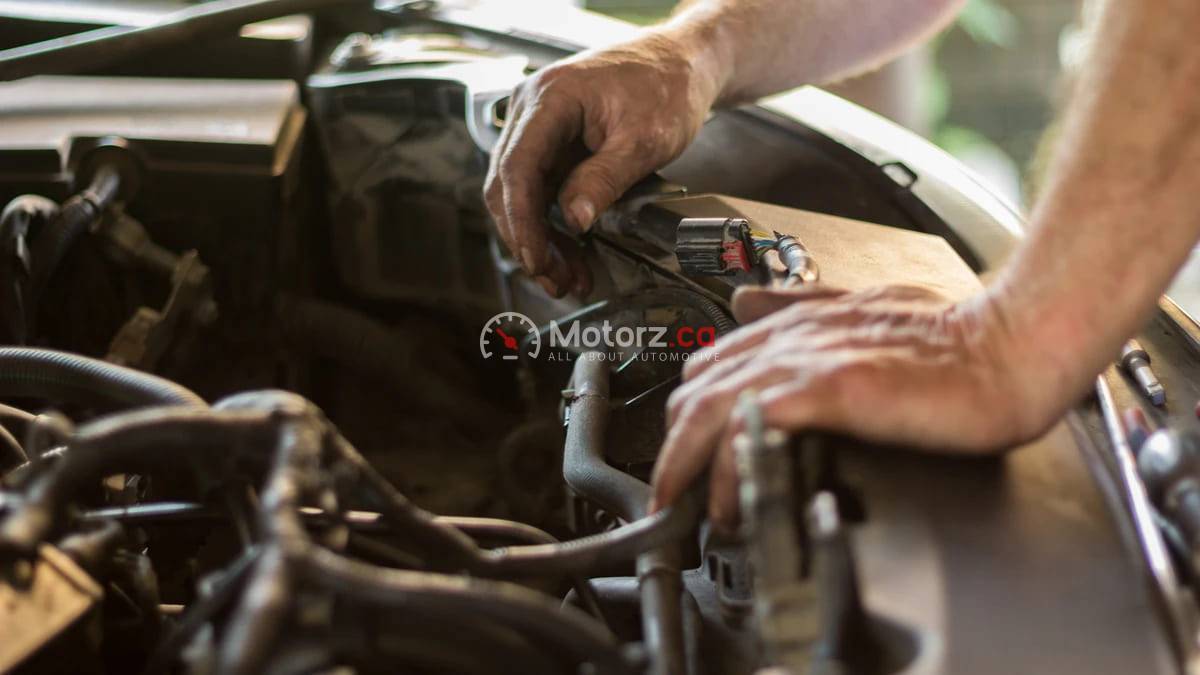
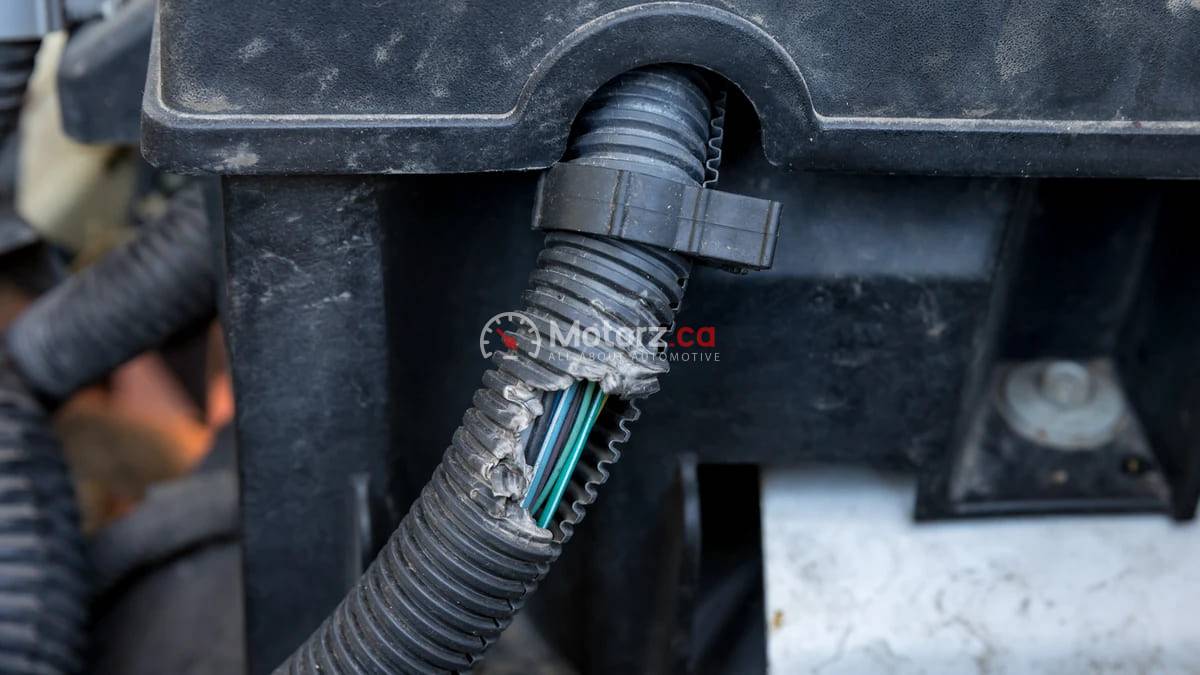
To get to a deep-seated part, a mechanic often has to move wiring harnesses, plastic clips, and old rubber hoses out of the way. In a car that is ten years old, these plastic and rubber bits are incredibly brittle. Simply moving a wiring loom two inches to the left to reach a bolt can cause a 15-year-old wire inside to crack, leading to a “new” electrical phantom.
Battery Disconnection and Computer Resets
Many repairs require disconnecting the battery. When power is restored, the car’s computers (ECUs) have to “re-learn” how to idle and shift. If your engine had a lot of carbon buildup, the computer might have been “compensating” for it. Once reset, the car may idle poorly or stall. The mechanic didn’t break the engine; the reset simply revealed how much the computer was working to hide an existing carbon problem.
Coincidence: The Invisible Enemy of Mechanics
Sometimes, it really is just bad luck. Automotive components have specific lifespans. If two parts were manufactured on the same day and installed in the same car, they are statistically likely to fail around the same time.
The Alternator and the Battery
It is very common for a battery to die shortly after an alternator is replaced. This isn’t because the alternator was installed incorrectly; it is because the failing alternator was “working” the old battery to death for weeks before it finally gave up. Replacing the alternator was step one, but the battery was already on its last legs.
Light Bulbs and Electrical Surges
If one headlight burns out and you replace it, the other one often burns out a week later. They have the same number of “on” hours. It feels like a “new problem,” but it is simply a matching lifecycle.
How to Tell if the Mechanic Actually Messed Up
While coincidence is common, mistakes do happen. Here is how to distinguish a legitimate error from a random failure.
Look for “Direct Proximity”
If you went in for a rear brake job and now your front turn signal doesn’t work, it is almost certainly a coincidence. There is no physical or electrical connection between those two areas during that specific job. However, if you went in for a spark plug change and now the car has a “misfire” code, the mechanic likely cracked a spark plug porcelain or forgot to click a wire back into place.
The “Smoking Gun” (Physical Evidence)
A legitimate mistake usually leaves a trail:
Forgotten Connectors: A plug hanging loose near the area of the repair.
Pinched Wires: A wire caught between two metal components that were bolted back together.
Fluid Levels: If you had a transmission service and now the car won’t move, check the dipstick. If it’s empty, the technician failed to refill it properly.
Check the “Check Engine” Code
If a new light comes on, have the code read. If the code is for a “Secondary Air Injection Pump” and you just had a “Tailpipe Muffler” replaced, those two systems are at opposite ends of the car. It’s highly unlikely they are related.
Expert Tips for Managing Post-Repair Issues
To avoid a confrontation and get your car fixed quickly, follow these best practices.
Don’t Lead with Accusations: Instead of saying, “You broke my car,” try saying, “I noticed a new sound since I picked the car up yesterday. Could we take a quick look to see if something settled or if a clip came loose?”
Keep the Timeline Short: If a new problem appears, report it within 24 to 48 hours. If you wait two weeks and drive 500 miles, it becomes nearly impossible for a shop to determine if the issue was related to their work.
Ask for a “Courtesy Check”: Most reputable shops will perform a quick visual inspection for free if a customer returns with a concern shortly after a major repair.