

We have all been there. You pick up your car from the Auto Repair after a routine oil change or a brake job, and three days later, a mysterious squeak appears in the dashboard or a headlight goes out. Your first instinct is to pick up the phone, dial the shop, and utter the four most dreaded words in the automotive industry: “Ever since you worked on it…”
It is a natural human reaction. We look for patterns and coincidences to make sense of our world. If the car was “fine” before it went into the shop and now it isn’t, the logic seems ironclad. However, in the complex world of modern automotive engineering, what looks like a cause-and-effect relationship is often just a frustrating coincidence.
In this guide, we are exploring the psychology and the mechanics behind the “ever since” syndrome. We will look at why cars seem to break right after they leave the shop, how to tell if a mechanic actually made a mistake, and the best way to handle a follow-up visit without burning bridges with a technician you trust.
The Science of Auto Repair in Modern Vehicles
A modern vehicle is a collection of roughly 30,000 individual parts, miles of wiring, and dozens of computer modules. These components don’t exist in isolation; they are constantly under stress from heat, vibration, and road salt.
The “Disturbed Component” Theory
Sometimes, a mechanic does have to move one thing to get to another. To change a cabin air filter, they might have to drop the glovebox. To replace a serpentine belt, they might have to move a coolant hose.
The Reality: If a plastic clip was already brittle from ten years of engine heat, it might snap when moved slightly. The mechanic didn’t “break” it through negligence; the part was at the end of its functional life. When you notice a new rattle “ever since” that service, it is often a result of these aged components finally giving up after being handled.
The Awareness Bias
When your car is at the shop, you are mentally “tuned in” to its performance. You are likely driving without the radio on for the first few kilometers, listening for any changes.
The Insight: That slight hum at 60 kilometers per hour might have been there for six months, but you only noticed it now because you are hyper-aware of the vehicle’s condition. This is a psychological phenomenon where we attribute pre-existing conditions to a recent event.
Common “Ever Since” Scenarios That Are Usually Coincidences
There are a few specific repairs that frequently trigger the “ever since” conversation. Understanding the mechanics of these systems can help you avoid a potentially embarrassing confrontation.
Battery Failure After an Oil Change
It is common for a battery to die shortly after a shop visit. Customers often think a technician left a light on or “drained” the battery.
The Truth: Many shops perform a battery “load test” as part of a multi-point inspection. If a battery is already on its last legs, the stress of the test—or even just the hood being open for an hour—can be the final straw for a weak cell. The shop didn’t kill the battery; they simply identified that it was about to die.
The Check Engine Light After a Brake Job
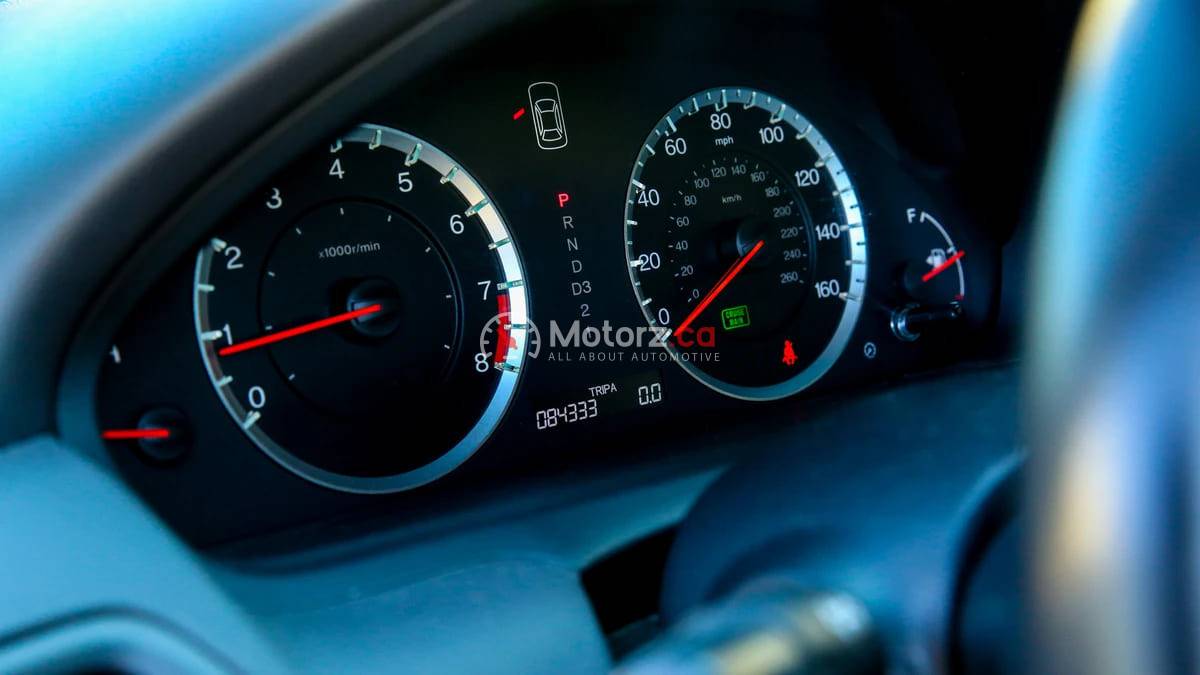
If your dashboard lights up like a carnival after you get new pads and rotors, it feels like a smoking gun.
The Reality: Brake systems and engine management systems are almost entirely separate. Unless a technician accidentally nicked an ABS sensor wire (which does happen), a Check Engine Light for an “Oxygen Sensor” or an “EVAP Leak” is 100 percent a coincidence. The timing is frustrating, but the systems have nothing to do with each other.
Windows and Electronics Glitches
If a window regulator fails or a door lock stops working “ever since” you had your tires rotated, there is almost zero mechanical path between those two events. Tires involve the exterior corners of the car; windows involve the interior of the doors. There is no shared wiring or physical connection.
When the Shop Really Is at Fault
While many issues are coincidences, mechanics are human and mistakes do happen. Knowing the signs of a genuine “comeback” (the industry term for a failed repair) is essential.
Signs of a Genuine Mechanical Oversight
Fluid Leaks: If you had an oil change and now there is a fresh puddle of oil on your driveway, that is a legitimate “ever since” issue. A drain plug might be loose or a filter gasket might have doubled up.
Vibrations at Specific Speeds: If you got new tires and the steering wheel shakes at 100 kilometers per hour, the wheels likely weren’t balanced correctly.
Burning Smells: If you smell burning oil or plastic immediately after a repair, a technician might have left a rag in the engine bay or spilled fluid on the exhaust manifold.
How to Approach the Shop Without Burning Bridges
If you notice a problem after a repair, the way you communicate will determine how the shop treats you. Coming in “hot” with accusations of sabotage is the fastest way to ensure you never get a “goodwill” discount again.
Use the “Help Me Understand” Approach
Instead of saying, “You broke my car,” try saying: “I noticed a new sound after I picked the car up yesterday. Could you take a quick look to see if something was accidentally left loose?”
The Result: This puts the mechanic on your side. They are now an investigator helping you solve a mystery, rather than a defendant defending their reputation.
The Value of a Professional Relationship
Good shops value long-term customers. Even if a new problem is a complete coincidence, many shop owners will offer a discount on the labor for the new repair just to maintain the relationship. If you lead with blame, you lose that leverage.
Protecting Yourself: Documentation is Key
To avoid the “ever since” trap, you need to be a proactive owner.
Do a Pre-Service Walkaround: Before you drop the car off, check your lights, turn on your AC, and roll your windows up and down.
Read the Inspection Report: Most modern shops send a digital report with photos. If they noted that your “serpentine belt is cracking” during your oil change and it snaps two weeks later, you have no grounds for a “since you” complaint—they warned you.
Request the Old Parts: If a shop replaces a component, ask to see the old one. It helps you understand the failure and provides transparency.
Patience and Perspective
Your mechanic wants your car to be safe and functional—it is bad for business if a car leaves the shop and has to come back. While it is incredibly frustrating to deal with a new problem right after paying a repair bill, remember that vehicles are unpredictable machines.
Before you jump to the “ever since” conclusion, take a breath, check the facts, and approach your shop with a spirit of collaboration. Most of the time, the “wrench” in your plans is just a stroke of bad luck, not a bad mechanic