
In the modern Ford Canada Recall world, the backup camera has transitioned from a high-end luxury to a vital safety necessity. For many Canadian drivers, it is the primary tool used to navigate tight parking spots in Toronto or to ensure the driveway is clear before backing out into a snowy morning. However, a significant software glitch has forced Ford Motor Company of Canada to issue a major safety recall affecting more than 76,000 new vehicles across the country.
The issue isn’t just a minor annoyance; it involves the rearview camera image failing to display or, in some cases, freezing entirely while the vehicle is in reverse. When you are operating a large SUV or a heavy-duty truck, a frozen screen can create a dangerous “false sense of security,” leading the driver to believe the path is clear when it is not.
In this comprehensive guide, we will break down the specific 2024, 2025, and 2026 models included in this 76,000-unit sweep, the technical “why” behind the software failure, and the steps you need to take to ensure your Ford is safe for the road.
The Technical Glitch: Why Are Ford Backup Cameras Failing?
Most people assume a backup camera is a simple “plug-and-play” device, but in a modern Ford, the camera is part of a complex digital ecosystem. The video feed must pass through the Accessory Protocol Interface Module (APIM)—the “brain” of the SYNC infotainment system—before it reaches your dashboard screen.
Software Overload and “Inverted” Images
The recall centers on a software bug within the APIM. In some vehicles, the module can experience a “thermal shutdown” or a processing error that prevents the camera feed from loading.
Perhaps more bizarre is the “Inverted Image” glitch reported in certain 2025 and 2026 models. Owners have reported shifting into reverse only to see the camera feed flipped upside down or mirrored. This happens because of a pulse on the data bus that accidentally rewrites a line of code in the display microcontroller. For a driver, an inverted image makes it nearly impossible to judge distances accurately, significantly increasing the risk of a collision.
Affected Models: Is Your Ford Canada Recall on the List?
This recall specifically targets newer production runs. While the 76,000 figure covers the Canadian market, these issues are part of a larger North American safety campaign.
The Primary “Light Truck” Group
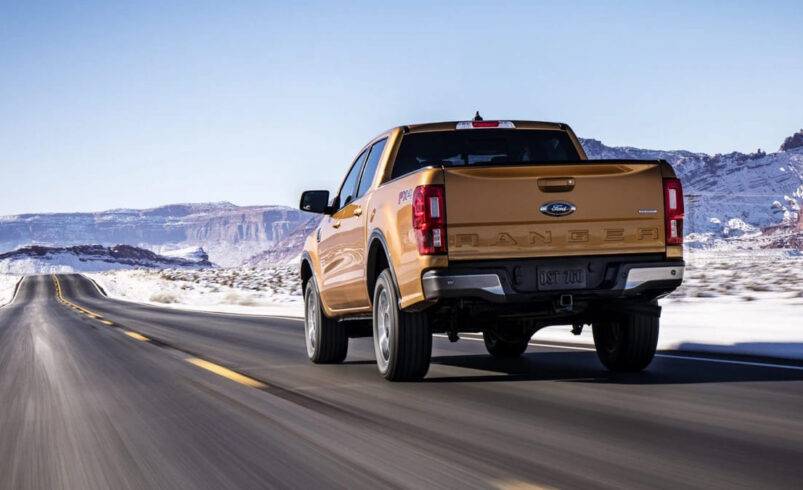
2021–2026 Ford Bronco: One of Ford’s most popular SUVs is heavily featured in this recall.
2021–2024 Ford Edge: Units equipped with specific SYNC versions have been flagged for APIM overheating.
2022–2025 Ford Transit: Both the cargo and passenger versions of the Transit are included, particularly those used in commercial fleets.
Luxury and Performance Models
2024–2026 Ford Mustang: Even the iconic pony car isn’t immune to software bugs.
2021–2025 Lincoln Nautilus & Corsair: Luxury buyers should check their VINs, as the high-resolution displays in these models are susceptible to the “frozen image” bug.
2024–2025 Ford Expedition and Lincoln Navigator: The largest SUVs in the lineup are included, where a working backup camera is most critical due to large blind spots.
The Safety Risk: Beyond Just a Blank Screen
Transport Canada’s safety standards are clear: a rearview camera must be functional and accurate. The risk involved in this recall goes beyond the inconvenience of having to “old-school” it with your mirrors.
The “Frozen Image” Trap
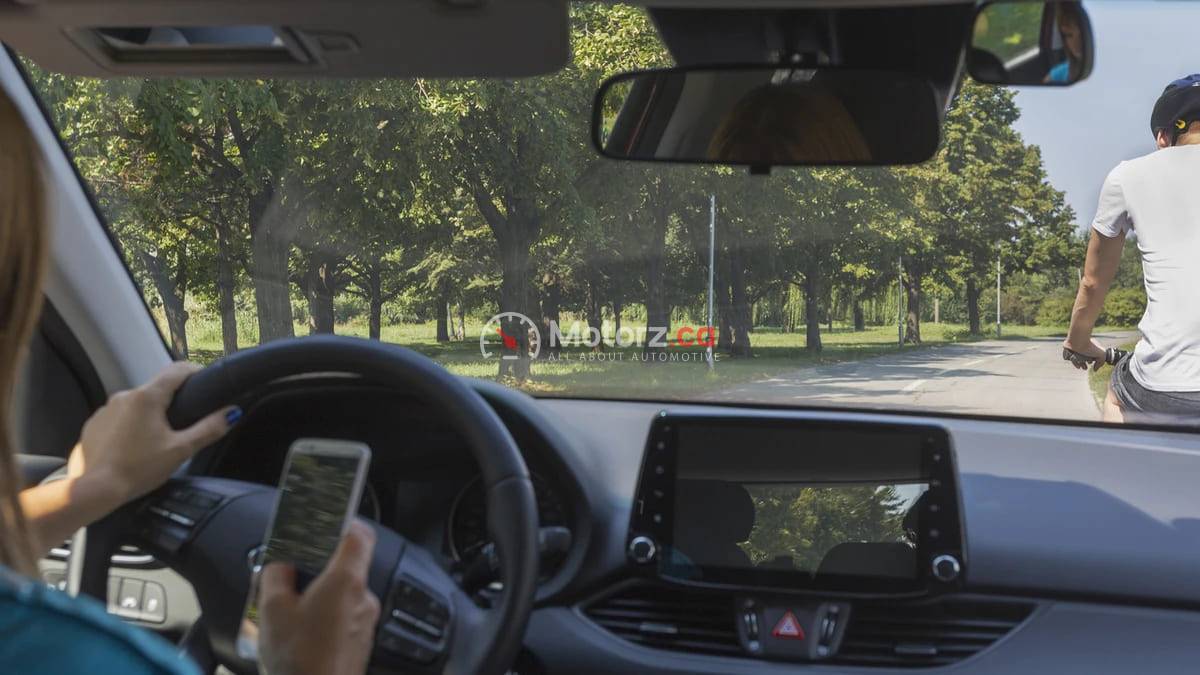
A blank screen is obvious—you know it’s broken. A frozen image, however, is far more dangerous. If the screen shows a clear path but the image is actually a “snapshot” from three seconds ago, a pedestrian or a child on a bicycle could move behind the vehicle without the driver ever seeing them on the display.
ADAS Interference
In some of the 76,000 affected vehicles, the backup camera failure is linked to the Image Processing Module (IPMA). When this module glitches, it can also disable other Advanced Driver Assistance Systems (ADAS), such as:
Pre-Collision Assist: The car may not automatically brake for obstacles.
Lane-Keeping System: The vehicle may not provide steering haptic feedback if you drift.
Front Camera Faults: 360-degree parking views may also become unavailable.
How the “Fix” Works: Over-The-Air (OTA) vs. Dealership Visits
The good news for many owners is that this is a “digital” recall. Since the hardware (the camera itself) is usually fine, the remedy involves a software update.
Over-The-Air (OTA) Updates
If your Ford is equipped with Ford Power-Up technology, you may not even need to leave your driveway. Ford can push a wireless update directly to your vehicle’s modem.
Tip: Ensure your vehicle is connected to a stable Wi-Fi network and that “Automatic Updates” are turned on in your SYNC settings.
Dealership Software Flash
For vehicles that are not “connected” or for those experiencing hardware-level connection issues (common in the Ford Transit), a trip to the dealership is required. A technician will plug a diagnostic tool into your OBD-II port and manually “flash” the new firmware to the APIM and IPMA modules. This process usually takes less than an hour.
Don’t Rely on a Glitchy Camera
The backup camera is one of the greatest safety innovations of the last twenty years, but it is only effective if the software behind it is reliable. For the 76,000 Ford owners in Canada, this recall is a necessary step to ensure that “eyes in the back of your head” remain sharp and accurate.
While waiting for your software update, remember the basics: physically turn your head, check your side mirrors, and never rely solely on a screen—especially one that might be showing you a picture of the past.