
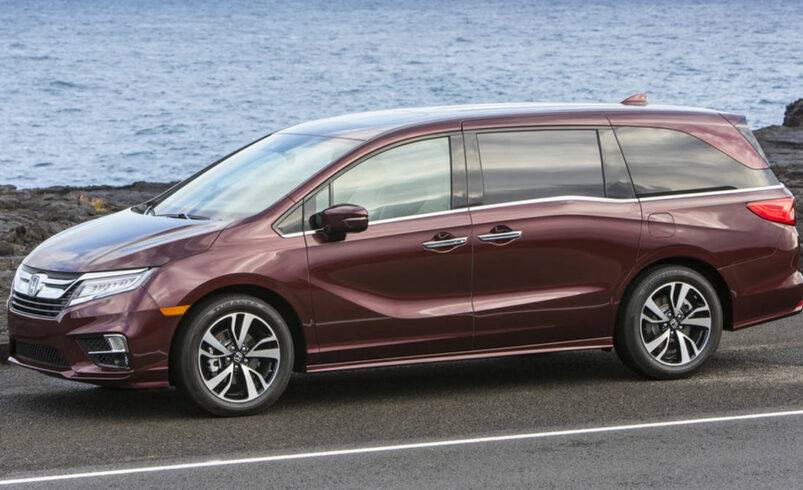

If you Cars in North America, it is time to check your glovebox for your registration. In a move that has sent ripples through the automotive industry, Honda has announced one of its largest safety campaigns in years. Covering approximately 1.4 million vehicles in the United States and over 50,000 in Canada, this recall targets a critical mechanical failure that could leave drivers stranded or, in extreme cases, lead to a dangerous engine stall at highway speeds.
The issue isn’t just a minor glitch; it involves a defective high-pressure fuel pump that can crack, leak, and even pose a fire risk. For a brand built on the pillars of reliability and long-term durability, this massive “safety pull-back” is a significant event. In this comprehensive guide, we will break down exactly which models are affected, how to identify the warning signs, and the steps you need to take to get your car repaired at no cost.
The Cars in North America: Defective High-Pressure Fuel Pumps
To understand why this recall is so widespread, we have to look under the hood. Modern engines—especially the turbocharged units found in recent Honda and Acura models—rely on high-pressure fuel pumps to deliver gasoline directly into the combustion chamber.
Why the Pumps are Failing
According to documents filed with the National Highway Traffic Safety Administration (NHTSA), the core of the high-pressure fuel pump may have been manufactured with a defect. Over time, internal cracks can form within the pump. As you drive, these cracks can grow, eventually leading to:
Fuel Leaks: Gasoline escaping the pump housing.
Fuel Odors: A distinct smell of gas inside or outside the vehicle, especially while idling.
Engine Stalling: A sudden loss of power because the engine isn’t getting the fuel it needs.
The Safety Risk: Fire and Collisions
A fuel leak in the presence of an ignition source (like the intense heat of a running engine) significantly increases the risk of a fire. Furthermore, if your engine stalls while you are merging onto a busy freeway or navigating an intersection, it increases the likelihood of a rear-end collision.
Is Your Vehicle on the List? Affected Models
This recall spans several of Honda’s most popular nameplates across the 2023, 2024, and 2025 model years. If you own one of the following, you should take immediate action:
Honda Models (2023–2025)
Honda Accord and Accord Hybrid: Specifically the 2023 and 2024 model years.
Honda CR-V Hybrid: The 2023 through 2025 models are heavily represented.
Honda Civic Sedan and Civic Hybrid: The recently released 2025 models are included in the safety sweep.
Acura Models (2023–2025)
Acura Integra and Integra Type S: Honda’s luxury performance division is not exempt, with many 2023–2025 Integras requiring inspection.
The Steering Gearbox Recall Connection
It is important to note that this fuel pump issue comes on the heels of another massive Honda recall involving nearly 1.7 million vehicles for “sticky steering.” Many owners may find that their vehicle is actually affected by both safety campaigns. If your steering feels unusually heavy or makes a “clicking” sound, be sure to mention this to your dealer when booking your fuel pump repair.
How to Check Your VIN in the U.S. and Canada
Manufacturers are required to notify owners by mail, but mail can be slow or lost. The fastest way to know if your SUV or sedan is safe is to use your Vehicle Identification Number (VIN).
For U.S. Owners:
Locate your 17-character VIN (found on your dash or insurance card).
Visit the Honda Recall Lookup website (recalls.honda.com).
Enter your VIN to see a real-time status of all open recalls.
For Canadian Owners:
Visit the Honda Canada Safety portal (honda.ca/recalls).
Use the “Recall Lookup” tool.
You can also check the Transport Canada database for any broader safety alerts affecting your model year.
Warning Signs to Watch For While Driving
While your car might seem fine today, a failing fuel pump often gives off subtle warnings before it fails completely. Pay close attention to these three symptoms:
The “Gas Station” Smell: If you smell raw gasoline while the car is parked in your garage or sitting at a stoplight, do not ignore it. This is the most common sign of a high-pressure leak.
Hesitation During Acceleration: If the car “stumbles” or feels like it is gasping for air when you push the gas pedal, the pump may be struggling to maintain pressure.
Check Engine Light: A failing fuel pump will often trigger a “Lean Condition” code in the car’s computer, illuminating the amber engine icon on your dashboard.
The Repair Process: What You Need to Know
The most important thing to remember is that recall repairs are 100 percent free. Federal and provincial laws require manufacturers to fix safety defects at no cost to the consumer.
What the Dealer Will Do
Once you book an appointment, a certified Honda technician will inspect the high-pressure fuel pump. If the pump belongs to a defective batch or shows signs of cracking, the dealer will replace the entire unit with a redesigned part that uses a reinforced core.
Parts Availability
Because this recall affects 1.4 million vehicles, there is a massive demand for replacement pumps. Some dealers may have a waiting list. If your car is currently leaking fuel or stalling, demand that the dealership provide a loaner vehicle or a rental until your car is safe to drive. Honda often provides “goodwill” assistance for owners in high-risk situations.
Why “Wait and See” Is a Dangerous Strategy
It can be tempting to put off a trip to the dealership, especially if your car is driving well. However, fuel pump failures are unpredictable. A pump that works fine in 50-degree weather might fail when temperatures climb or during a long road trip where the engine is under constant load.
By ignoring a recall, you aren’t just risking your car; you are risking your safety and potentially your insurance coverage. If an accident occurs and it is determined that a known, unrepaired recall was the cause, it could complicate your insurance claim.