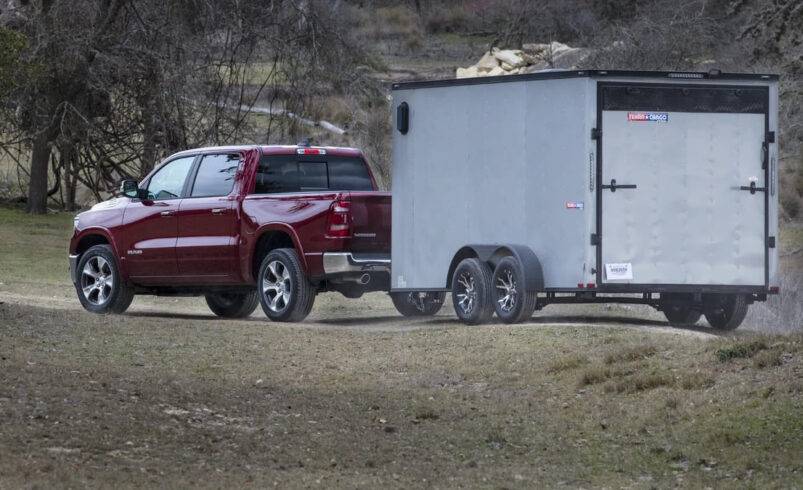

The modern Truck Do You REALLY Need is the Swiss Army knife of the automotive world. It’s a mobile office, a family shuttle, a weekend adventure rig, and a heavy-duty workhorse all rolled into one. But as we head into 2026, the “bigger is always better” mantra is being challenged by skyrocketing fuel costs, tightening garage spaces, and a new generation of incredibly capable smaller pickups.
It’s easy to walk onto a dealership lot and get seduced by a massive heavy-duty dually with a chrome grille the size of a dinner table. But do you actually need enough torque to pull a house off its foundation? Or would a nimble midsize truck that fits in your driveway—and your budget—be the smarter play?
Choosing the wrong truck is a costly mistake. Buy too little, and you’ll strain your engine and compromise safety. Buy too much, and you’re essentially paying a “size tax” every time you visit the gas station or renew your insurance. In this guide, we’ll break down the 2026 truck landscape to help you determine exactly how much truck fits your reality.
The Three Pillars of Truck Capability: Towing, Payload, and GCVW
Before you look at paint colors or leather trims, you need to understand the three numbers that define a truck’s DNA.
Towing Capacity (What You Pull)
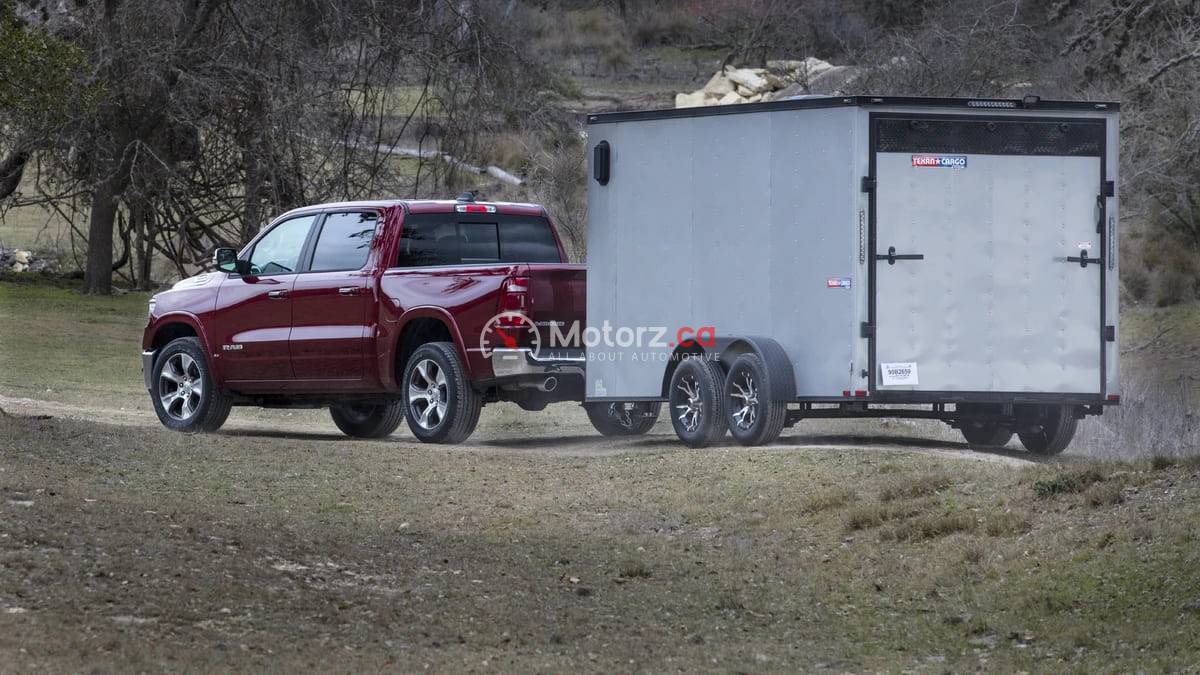
This is the maximum weight the truck can pull behind it. In 2026, even midsize trucks are seeing impressive numbers.
Light Duty/Midsize: Usually 5,000 to 7,700 lbs.
Full-Size (1500 Series): Usually 8,000 to 14,000 lbs.
- Heavy Duty (2500/3500): Can exceed 35,000 lbs.
Payload Capacity (What You Carry)
This is often the most misunderstood stat. Payload is the weight of everything inside or on the truck. This includes the driver, passengers, the dog, the toolbox in the bed, and—crucially—the tongue weight of your trailer.
Common Trap: Many people see a 10,000-lb towing capacity and assume they can fill the truck with five adults and a bed full of gravel while towing. In reality, you’ll likely hit your payload limit long before you hit your max towing capacity
Finding Your Perfect Match: How Much Truck Do You REALLY Need?
The modern pickup truck is the Swiss Army knife of the automotive world. It’s a mobile office, a family shuttle, a weekend adventure rig, and a heavy-duty workhorse all rolled into one. But as we head into 2026, the “bigger is always better” mantra is being challenged by skyrocketing fuel costs, tightening garage spaces, and a new generation of incredibly capable smaller pickups.
It’s easy to walk onto a dealership lot and get seduced by a massive heavy-duty dually with a chrome grille the size of a dinner table. But do you actually need enough torque to pull a house off its foundation? Or would a nimble midsize truck that fits in your driveway—and your budget—be the smarter play?
Choosing the wrong truck is a costly mistake. Buy too little, and you’ll strain your engine and compromise safety. Buy too much, and you’re essentially paying a “size tax” every time you visit the gas station or renew your insurance. In this guide, we’ll break down the 2026 truck landscape to help you determine exactly how much truck fits your reality.
The Three Pillars of Truck Capability: Towing, Payload, and GCVW
Before you look at paint colors or leather trims, you need to understand the three numbers that define a truck’s DNA.
Towing Capacity (What You Pull)
This is the maximum weight the truck can pull behind it. In 2026, even midsize trucks are seeing impressive numbers.
Light Duty/Midsize: Usually 5,000 to 7,700 lbs.
Full-Size (1500 Series): Usually 8,000 to 14,000 lbs.
Heavy Duty (2500/3500): Can exceed 35,000 lbs.
Payload Capacity (What You Carry)
This is often the most misunderstood stat. Payload is the weight of everything inside or on the truck. This includes the driver, passengers, the dog, the toolbox in the bed, and—crucially—the tongue weight of your trailer.
Common Trap: Many people see a 10,000-lb towing capacity and assume they can fill the truck with five adults and a bed full of gravel while towing. In reality, you’ll likely hit your payload limit long before you hit your max towing capacity.
Gross Combined Vehicle Weight (GCVW)
This is the total weight of the truck plus the trailer and everything inside both. In 2026, law enforcement and insurance companies are more vigilant than ever about GCVW limits. Exceeding this doesn’t just wear out your brakes; it can void your warranty and your insurance coverage in the event of an accident.
Segment Breakdown: Which Class Fits Your Life?
The 2026 market is divided into four distinct “sizes.” Let’s see where you land.
The Compact/Unibody Truck (The “Urban Workhorse”)
Examples: Ford Maverick, Hyundai Santa Cruz.
Best For: DIYers, apartment dwellers, and fuel-conscious commuters.
Capability: Usually tows up to 4,000 lbs and carries 1,500 lbs of payload.
The Reality Check: If your “truck stuff” consists of trips to the garden center or hauling a couple of mountain bikes, this is all you need. They drive like SUVs and park anywhere.
The Midsize Pickup (The “Weekend Warrior”)
Examples: Chevy Colorado, Toyota Tacoma, Ford Ranger, GMC Canyon.
Best For: Off-roading enthusiasts and small boat owners.
Capability: Towing tops out around 7,700 lbs.
- The Reality Check: Midsize trucks have grown significantly. A 2026 Colorado actually has more towing power than many full-size trucks from twenty years ago. It’s the “Goldilocks” zone for most people.
Finding Your Perfect Match: How Much Truck Do You REALLY Need?
The modern pickup truck is the Swiss Army knife of the automotive world. It’s a mobile office, a family shuttle, a weekend adventure rig, and a heavy-duty workhorse all rolled into one. But as we head into 2026, the “bigger is always better” mantra is being challenged by skyrocketing fuel costs, tightening garage spaces, and a new generation of incredibly capable smaller pickups.
It’s easy to walk onto a dealership lot and get seduced by a massive heavy-duty dually with a chrome grille the size of a dinner table. But do you actually need enough torque to pull a house off its foundation? Or would a nimble midsize truck that fits in your driveway—and your budget—be the smarter play?
Choosing the wrong truck is a costly mistake. Buy too little, and you’ll strain your engine and compromise safety. Buy too much, and you’re essentially paying a “size tax” every time you visit the gas station or renew your insurance. In this guide, we’ll break down the 2026 truck landscape to help you determine exactly how much truck fits your reality.
The Three Pillars of Truck Capability: Towing, Payload, and GCVW
Before you look at paint colors or leather trims, you need to understand the three numbers that define a truck’s DNA.
Towing Capacity (What You Pull)
This is the maximum weight the truck can pull behind it. In 2026, even midsize trucks are seeing impressive numbers.
Light Duty/Midsize: Usually 5,000 to 7,700 lbs.
Full-Size (1500 Series): Usually 8,000 to 14,000 lbs.
Heavy Duty (2500/3500): Can exceed 35,000 lbs.
Payload Capacity (What You Carry)
This is often the most misunderstood stat. Payload is the weight of everything inside or on the truck. This includes the driver, passengers, the dog, the toolbox in the bed, and—crucially—the tongue weight of your trailer.
Common Trap: Many people see a 10,000-lb towing capacity and assume they can fill the truck with five adults and a bed full of gravel while towing. In reality, you’ll likely hit your payload limit long before you hit your max towing capacity.
Gross Combined Vehicle Weight (GCVW)
This is the total weight of the truck plus the trailer and everything inside both. In 2026, law enforcement and insurance companies are more vigilant than ever about GCVW limits. Exceeding this doesn’t just wear out your brakes; it can void your warranty and your insurance coverage in the event of an accident.
Segment Breakdown: Which Class Fits Your Life?
The 2026 market is divided into four distinct “sizes.” Let’s see where you land.
The Compact/Unibody Truck (The “Urban Workhorse”)
Examples: Ford Maverick, Hyundai Santa Cruz.
Best For: DIYers, apartment dwellers, and fuel-conscious commuters.
Capability: Usually tows up to 4,000 lbs and carries 1,500 lbs of payload.
The Reality Check: If your “truck stuff” consists of trips to the garden center or hauling a couple of mountain bikes, this is all you need. They drive like SUVs and park anywhere.
The Midsize Pickup (The “Weekend Warrior”)
Examples: Chevy Colorado, Toyota Tacoma, Ford Ranger, GMC Canyon.
Best For: Off-roading enthusiasts and small boat owners.
Capability: Towing tops out around 7,700 lbs.
The Reality Check: Midsize trucks have grown significantly. A 2026 Colorado actually has more towing power than many full-size trucks from twenty years ago. It’s the “Goldilocks” zone for most people.
The Full-Size / 1500 Series (The “Standard Bearer”)
Examples: Ford F-150, Chevy Silverado 1500, Ram 1500, Toyota Tundra.
Best For: Families who tow travel trailers or contractors who need bed space.
Capability: Towing ranges from 9,000 to 14,000 lbs.
- The Reality Check: This is the most popular segment, but also the most “over-bought.” Unless you are towing a trailer weighing over 6,000 lbs regularly, you might be paying for capability you rarely use.
The Heavy Duty / 2500 & 3500 Series (The “Real Deal”)
Examples: Ford Super Duty, Silverado HD, Ram HD
Best For: Fifth-wheel trailers, heavy machinery, and commercial use.
Capability: Massive towing (20,000 to 36,000 lbs) and massive frames.
The Reality Check: These are not fun to drive in the city. Their suspension is designed to be smooth only when carrying a heavy load. Driving one empty feels like riding a pogo stick.