
When the mercury drops and the winter wind Vehicle Winterization to howl, we bundle up in parkas, gloves, and thermal boots. But what about the machine sitting in your driveway? Your vehicle is a complex network of fluids, rubber, metal, and sensitive electronics—all of which react poorly to extreme cold. In the automotive world, we often refer to the damage caused by sub-zero temperatures as “car frostbite.”
From frozen fuel lines to cracked serpentine belts and batteries that lose half their power overnight, winter is the ultimate stress test for any car, truck, or SUV. If you live in a region where the winter air feels like a slap in the face, proactive maintenance isn’t just a suggestion—it is a survival skill.
In this comprehensive guide, we explore the science of how cold affects your vehicle and provide a step-by-step roadmap to ensuring your car remains reliable, safe, and “frostbite-free” all season long.
The Science of Cold: Why Vehicle Winterization
To prevent vehicle frostbite, you first have to understand what happens under the hood when the temperature plunges.
1. Fluid Viscosity: The “Molasses” Effect
Engine oil, Vehicle Winterization, and brake fluid are designed to flow freely. However, extreme cold makes these liquids thicker. Imagine trying to pour maple syrup that has been in the freezer; that is what your 10W-30 oil looks like at -20 Celsius. When oil is too thick, it takes longer to reach critical engine components during a cold start, leading to increased wear and tear.
2. Battery Chemical Slowdown
Your car battery relies on a chemical reaction to produce electricity. Cold temperatures slow this reaction down significantly. At 0 Celsius, a battery loses about 20 percent of its cranking power. At -30 Celsius, that loss can jump to 60 percent. Combine this with the fact that a cold engine requires more power to turn over because of the thick oil mentioned above, and you have the perfect recipe for a “no-start” Monday morning.
3. Material Contraction
Metal, plastic, and rubber all contract at different rates when they get cold. This is why you might hear new rattles or squeaks in the winter. More importantly, rubber components like belts, hoses, and windshield wiper blades become brittle. A belt that is flexible in July can snap like a dry twig in January.
The Engine: Protecting the Heart of the Machine
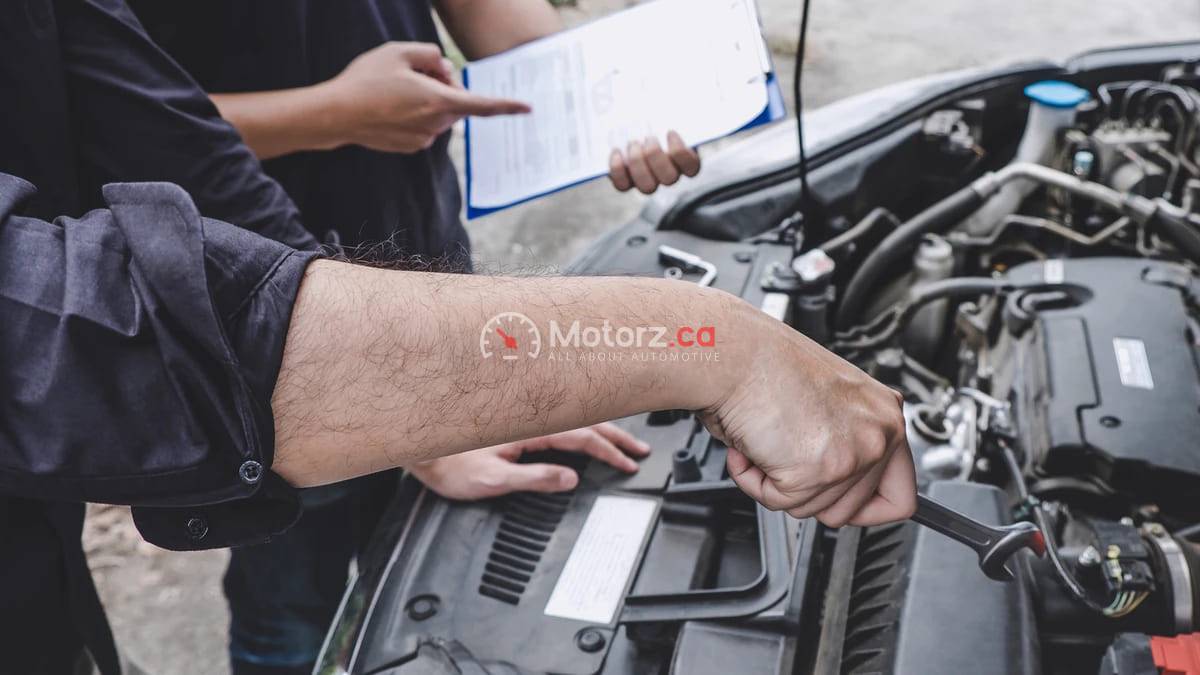
The engine is the most expensive part of your vehicle to repair, making it the primary focus of any winterization strategy.
Check Your Antifreeze (Coolant)
Despite the name, “coolant” is what prevents your engine from freezing and cracking in the winter. Most vehicles run a 50/50 mix of water and antifreeze.
The Risk: If the water content is too high, the mixture can freeze inside the engine block. Water expands when it turns to ice, which can literally crack your engine from the inside out.
The Fix: Use a simple hydrometer (available at any auto parts store) to test the freezing point of your coolant. For extreme northern climates, a 60/70 ratio of antifreeze to water may be necessary, but never exceed 70 percent antifreeze.
Switch to Synthetic Oil
If you still use conventional oil, winter is the time to consider a switch to a full synthetic or a “winter-grade” oil. Synthetic oils are engineered to maintain a consistent viscosity across a wider range of temperatures. They stay fluid even in extreme cold, ensuring that your engine gets lubricated the instant you turn the key.
Block Heaters: The Ultimate Antidote
In regions like Alaska, Canada, or the Upper Midwest, a block heater is a lifesaver. This small heating element is installed in the engine block and plugs into a standard wall outlet.
Benefit: It keeps the engine oil and coolant warm, making starts effortless and reducing the time it takes for your cabin heater to start blowing warm air.
Tip: You only need to plug it in for about two to three hours before you plan to drive. Using a heavy-duty outdoor timer can save on your electricity bill.
The Electrical System: Powering Through the Freeze
If your battery is more than three years old, it is at high risk for “frostbite” failure.
Clean the Terminals
Corrosion on battery terminals acts like a “bottleneck” for electricity. In the winter, you need every bit of power you can get. Clean the terminals with a mixture of baking soda and water and a stiff wire brush. Applying a thin layer of petroleum jelly or terminal protector can prevent future buildup.
The “Deep Freeze” Test
Most local auto shops will perform a “load test” on your battery for free or a very small fee. This test simulates the strain of a cold start to see if the battery can handle the pressure. If your battery “fails” the load test in the fall, replace it immediately. It will not survive the first true cold snap of January.
Tires and Traction: Staying Grounded
Your tires are the only thing connecting your vehicle to a slippery road. Cold air and rubber don’t play well together.
The PSI Drop
For every 10-degree drop in temperature, your tires lose about one pound per square inch (PSI) of pressure. Driving on under-inflated tires in the winter causes poor handling, increased fuel consumption, and uneven tread wear. Check your tire pressure at least once a month during the winter, and always check it when the tires are “cold” (before driving).
Winter Tires vs. All-Seasons
The term “all-season” is a bit of a misnomer in northern climates.
All-Season Rubber: Becomes hard and “plastic-like” at temperatures below 7 Celsius, losing its ability to grip the road.
Winter Tires: Made with a special silica compound that stays soft and “grippy” even in extreme sub-zero temperatures. They also feature deeper sipes (small slits in the tread) to bite into snow and ice.
Exterior and Interior: Preventing Cosmetic Frostbite
Cold weather isn’t just a mechanical threat; it can ruin your car’s paint and interior.
The Danger of Road Salt
Road salt is a miracle for traction but a curse for metal. It accelerates rust and can eat through your brake lines and frame over time.
The Solution: Apply a high-quality wax or paint sealant before the first snow. Throughout the winter, take your car through a wash that includes an “undercarriage spray” to rinse away the salt and brine.
Frozen Locks and Door Seals
Have you ever been locked out of your car because the door was frozen shut?
For Locks: Use a graphite lubricant. Avoid WD-40, as it can gum up over time.
For Seals: Wipe the rubber door seals with a silicone-based spray or a thin coat of spray-on tire shine. This creates a water-resistant barrier that prevents the rubber from sticking to the metal frame when moisture freezes overnight.
Wiper Blades and Fluid
Standard wiper blades are often too thin and can easily get clogged with ice. Switch to “Winter Blades,” which are encased in a protective rubber sleeve to prevent ice buildup. Most importantly, ensure your washer fluid is rated for -40 Celsius. “Summer” fluid will freeze in the tank and can burst the plastic reservoir or the pump.
Preparing an Emergency Winter Kit
No matter how well you prepare your car, winter can still throw a curveball. If you slide off the road or your engine dies in a remote area, your “Emergency Kit” is your last line of defense against personal frostbite.
Your kit should include:
Warmth: A heavy wool blanket or a sleeping bag, extra gloves, and a hat.
Visibility: A flashlight with extra batteries and road flares.
Recovery: A small shovel, a bag of sand or kitty litter (for traction), and jumper cables.
Nutrition: High-calorie, non-perishable snacks like granola bars and bottled water (keep the water in the cabin so it doesn’t freeze solid in the trunk).
Communication: A portable power bank for your phone.