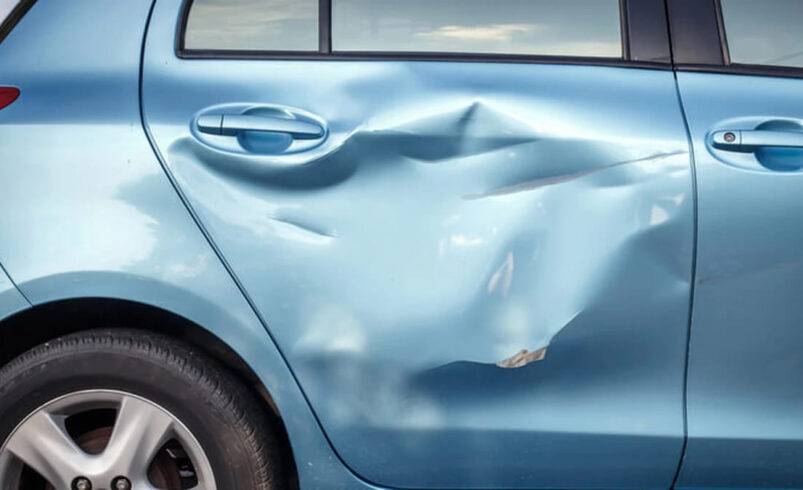

The crunch of metal and the deployment of airbags are sounds no Sell a Car After an Accident ever wants to hear. Once the dust settles and the insurance claims are processed, you are left with a lingering question: Can I still sell this car for a decent price?
Selling a car that has been in an accident—whether it was a minor fender bender or a significant collision—presents a unique set of challenges. Potential buyers are naturally wary, and the “stigma” of a vehicle history report can drive your asking price down. However, having an accident on the record is not a death sentence for your car’s resale value.
With the right strategy, full transparency, and a bit of preparation, you can still find a buyer and get a fair deal. This guide will walk you through the most important tips for selling a damaged or repaired vehicle in today’s market.
Understanding Sell a Car After an Accident and How It Affects Your Sale
Before you list your Sell a Car After an Accident, you must understand a concept called Diminished Value. Even if your car was repaired by the best mechanics using original parts, it is worth less than an identical car that has never been in an accident.
Why Value Drops After a Crash
Buyers perceive a repaired car as a higher risk. They worry about hidden structural damage, future rust issues, or electrical gremlins that might emerge later. In the automotive industry, this loss in market value is recognized as “Inherent Diminished Value.”
When setting your expectations, realize that you may need to price your vehicle 10 percent to 25 percent lower than the clean-title market average to entice a buyer to take that perceived risk.
Gather Your Paperwork and Build Trust
Transparency is your greatest asset when selling a car with an accident history. If a buyer feels like you are hiding something, they will walk away. If you provide a mountain of evidence showing the quality of the repair, you build trust.
Create a “Repair Dossier”
Collect every piece of documentation related to the accident and the subsequent fix. This should include:
The Police Report: To show the context of the accident (e.g., a low-speed parking lot bump vs. a high-speed highway crash).
Insurance Estimates: Detailed breakdowns of what was damaged.
Itemized Repair Invoices: Proof of what parts were replaced and who did the work.
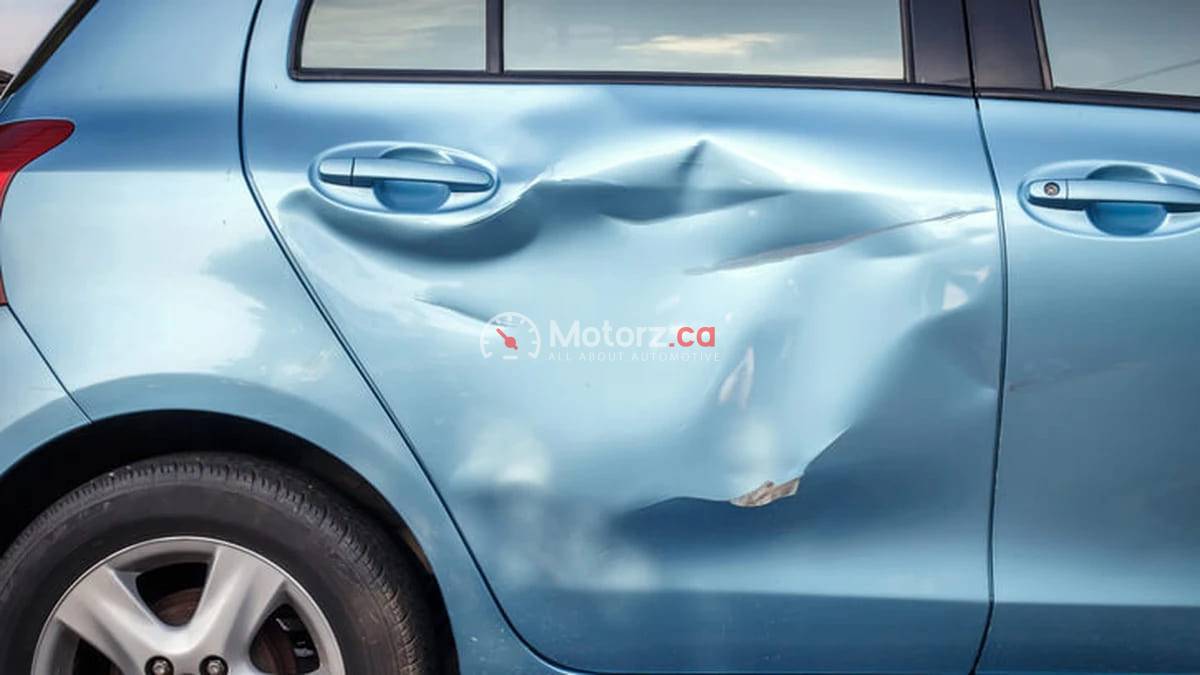
Photographs: Take photos of the damage before it was fixed. Showing a buyer that the “accident” was just a dented bumper cover can alleviate fears of frame damage.
Run Your Own History Report
Don’t wait for the buyer to bring a Carfax or AutoCheck report to you. Pull the report yourself so you know exactly what they will see. If there are inaccuracies in the report, you can try to dispute them with the reporting agency before the sale.
Decide Whether to Repair or Sell “As-Is”
If your car is currently sitting in a driveway with a smashed headlight and a crumpled fender, you have a choice to make: fix it or sell it as it stands.
When to Repair Before Selling
The damage is cosmetic: Replacing a cracked taillight or a side mirror is cheap and significantly improves “curb appeal.”
The car is nearly new: High-value vehicles lose more percentage-wise if left unrepaired.
Insurance is covering it: If you have an active claim, always opt for the repair.
When to Sell “As-Is”
The car is older: If repair costs exceed 50 percent of the car’s value, you likely won’t recoup that investment.
The damage is structural: Frame damage is a major red flag. Some buyers (like hobbyists or tuners) might still want the car for parts or a project, but a general consumer will stay away.
You need quick cash: Repairs take time. Selling to a “we buy junk cars” service or a recycler is faster, though less profitable.
Choosing the Right Sales Channel
Where you sell the car depends on the severity of the accident and how much effort you want to put in.
Private Sale (Highest Return, Highest Effort)
Selling to an individual via platforms like Facebook Marketplace or AutoTrader usually nets the most money.
Best for: Cars with minor accidents and high-quality repair records.
Tip: Be upfront in the first two sentences of your ad. Use phrases like “Minor cosmetic repair in 2024, fully documented with receipts.”
Dealership Trade-In (Fast and Convenient)
Most dealerships will accept a car that has been in an accident, but they will offer you “wholesale” value.
Best for: People who want to get rid of the car immediately and apply the value to a new purchase.
Insight: Large franchise dealers might send an accident-history car straight to an auction rather than putting it on their lot, which means their offer will be lower.
Online Instant Buyers
Companies like Canada Drives, Clutch, or similar “instant offer” sites use algorithms to price cars.
Note: You must be honest about the accident during the online appraisal. They will verify the history report, and if you omit the accident, they will lower the offer upon physical inspection.
Salvage Yards and Specialized Buyers
If the car is a “Total Loss” or has a “Salvage Title,” your market is limited to scrap yards or professional rebuilders.
Best for: Vehicles that are not road-legal or cost more to fix than they are worth.
Mastering the Art of the Honest Listing
Writing an ad for a car with a history requires a balance of marketing and honesty. Avoid using “shouty” caps or defensive language.
A Template for Success
Title: 2021 Honda CR-V EX-L – Low KM – Well Maintained (Minor History)
Body: Looking for a reliable, modern SUV? This CR-V has been a fantastic family vehicle. It features leather seats, a sunroof, and a full service history.
The History Note: In 2023, this vehicle was involved in a low-speed rear-end collision. All repairs were performed by [Name of Shop] using OEM parts. I have the full repair itemization and “before” photos available to show it was strictly cosmetic. The car drives perfectly and has been inspected since the repair.
Price: Priced at [Amount] to reflect the history—this is a great chance to get a newer model for a lower price.
Handling the Test Drive and Inspection
When a potential buyer arrives, they will be looking for signs of a “bad” repair. Be prepared for them to bring a mechanic.
Common Things Buyers Look For:
Paint Match: Does the fender match the door exactly?
Panel Gaps: Are the spaces between the hood and the fenders even on both sides?
Tire Wear: Uneven tire wear can indicate an alignment issue caused by a bent frame.
Dashboard Lights: Ensure no “Airbag” or “SRS” lights are illuminated.
Professional Tip: Offer to let the buyer take the car to a mechanic of their choice for a Pre-Purchase Inspection (PPI). This shows you have nothing to hide and can clinch the deal.
Legal Obligations: What You Must Disclose
In most jurisdictions, you are legally required to disclose certain things when selling a vehicle.
Salvage or Rebuilt Status: If the province or state has branded the title as “Salvage” or “Rebuilt,” you must disclose this. Failure to do so can result in lawsuits for fraud.
Safety Standards: If you are selling the car “Certified,” it must meet all provincial safety requirements. If it cannot pass due to accident damage, it must be sold “As-Is.”
Damage Thresholds: Some regions require disclosure if the damage exceeded a specific amount (e.g., 2,000 units of currency). Check your local consumer protection laws.