

For many Canadian families, a Hyundai Canada Recall is more than just a vehicle; it’s a reliable partner for school runs, weekend hockey tournaments, and winter commutes. However, a significant safety alert has recently put over 52,000 Hyundai owners on high alert.
Transport Canada and Hyundai Auto Canada have issued a major recall affecting several popular SUV models. The core of the issue? A potential fuel leak that could lead to an engine compartment fire. If you drive a Hyundai SUV, this is one update you cannot afford to ignore.
In this comprehensive guide, we will break down which models are affected, the mechanical cause behind the leak, and the exact steps you need to take to keep your family safe.
Which Hyundai Models Are Included in the Recall?
The recall specifically targets specific model years of Hyundai’s most popular crossovers and SUVs. In Canada, the sheer volume—approximately 52,000 units—means that if you bought a Hyundai SUV in the last few years, there is a statistical chance your VIN is on the list.
Affected Models and Years
While the official list can fluctuate as investigations continue, the primary focus of this 2026 safety campaign includes:
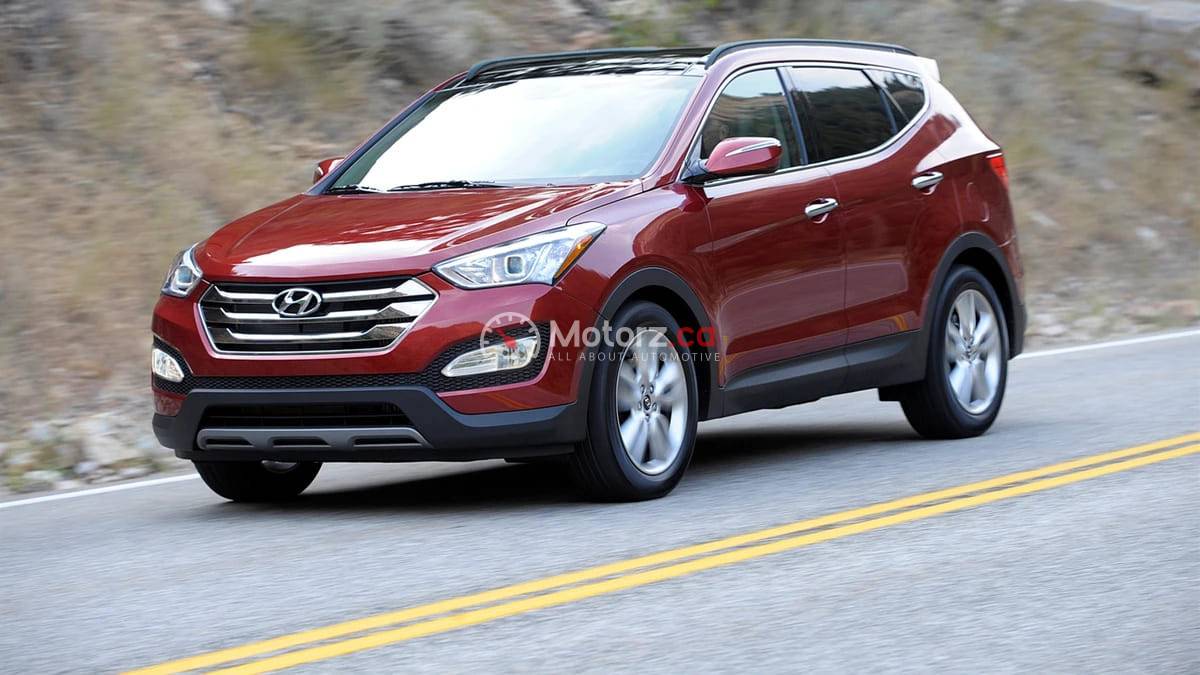
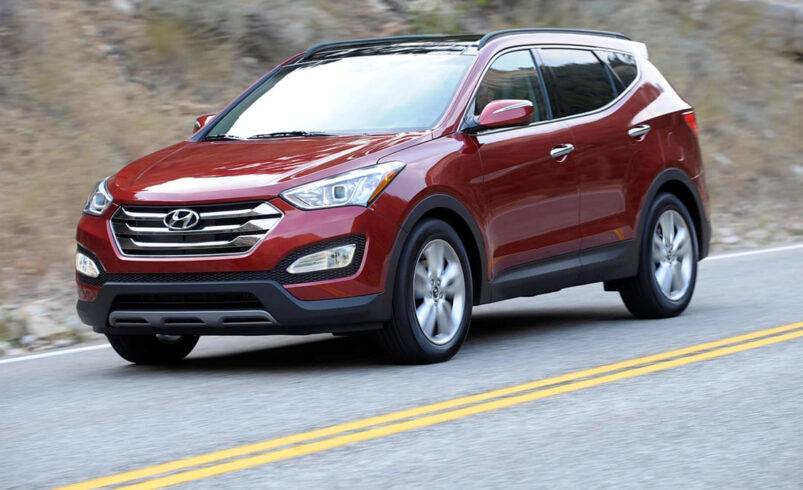
Hyundai Santa Fe: Select models from the 2021 through 2024 model years.
Hyundai Tucson: Specific 2022–2025 units, particularly those equipped with turbocharged engines.
Hyundai Kona: Certain performance and turbo variants.
Why 52,000 Units?
The number reflects the specific manufacturing window during which a faulty component was integrated into the assembly line. Hyundai’s “just-in-time” manufacturing means that a single bad batch of parts from a supplier can affect tens of thousands of vehicles across multiple provinces.
The Root Cause: Why Is There a Fire Risk?
Safety recalls regarding fire risks are often split into two categories: electrical shorts or fluid leaks. This specific Hyundai Canada recall is centered on the fuel system.
The Faulty Fuel Pipe Connection
The primary concern involves the high-pressure fuel pipe that connects the fuel pump to the engine’s fuel rail. According to Transport Canada documents, the connection between these two components may not have been tightened or sealed to the correct factory specifications.
How a Leak Leads to a Fire
Under normal driving conditions, the fuel system is under immense pressure to ensure efficient combustion. If the seal on the high-pressure pipe is compromised:
Fuel Atomization: Gasoline can spray out in a fine mist rather than a liquid stream.
Heat Exposure: The engine bay of a modern SUV operates at very high temperatures.
Ignition: If that fuel mist makes contact with a hot exhaust manifold or an electrical spark, an engine fire can start almost instantly.
Important Note: Unlike some recent “park outside” recalls related to ABS modules, this fuel leak risk is most prominent while the vehicle is running and the fuel system is pressurized.
Warning Signs Every Hyundai Owner Should Know
While you wait for an official recall notice in the mail, your car might give you a “heads up” that something is wrong. Keep your senses sharp for the following symptoms:
The Smell of Gasoline
This is the most common indicator. If you smell raw gas while idling at a stoplight or immediately after parking in your garage, do not ignore it. A healthy fuel system should never emit an odor outside of the fuel tank area.
heck Engine Light (CEL)
The modern Engine Control Unit (ECU) is designed to monitor fuel pressure. If the system detects a drop in pressure due to a leak, it will likely trigger a dashboard warning light. Common codes related to this issue often point to “Fuel Rail Pressure” or “System Too Lean.”
Reduced Fuel Economy
If you find yourself visiting the gas station more often than usual without a change in your driving habits, it could be because fuel is literally leaking out of the system before it ever reaches the combustion chamber.
Poor Engine Performance
A leak in the high-pressure line can cause the engine to stumble, hesitate during acceleration, or even stall. This happens because the injectors aren’t receiving the precise amount of fuel needed to maintain a smooth idle.
How to Check if Your Vehicle Is Recalled
You don’t have to wait for a letter to arrive in your mailbox. Canadian owners can take proactive steps today to verify their vehicle’s status.
Step 1: Find Your VIN
Your Vehicle Identification Number (VIN) is a 17-character code. You can find it:
On the driver’s side dashboard (visible through the windshield).
On the sticker inside the driver’s side door jamb.
On your vehicle registration or insurance pink slip.
Step 2: Use the Online Recall Tools
There are two primary ways to check for free:
Hyundai Canada Recall Search: Visit the official Hyundai Canada website and enter your VIN into their safety database.
Transport Canada Database: The Motor Vehicle Safety Recalls Database provides a neutral look at all active recalls in the country.
The Repair Process: What Happens Next?
If your SUV is part of the 52,000-unit recall, Hyundai is legally obligated to fix the issue at no cost to you.
The Corrective Action
When you bring your vehicle to a certified Hyundai dealership, technicians will:
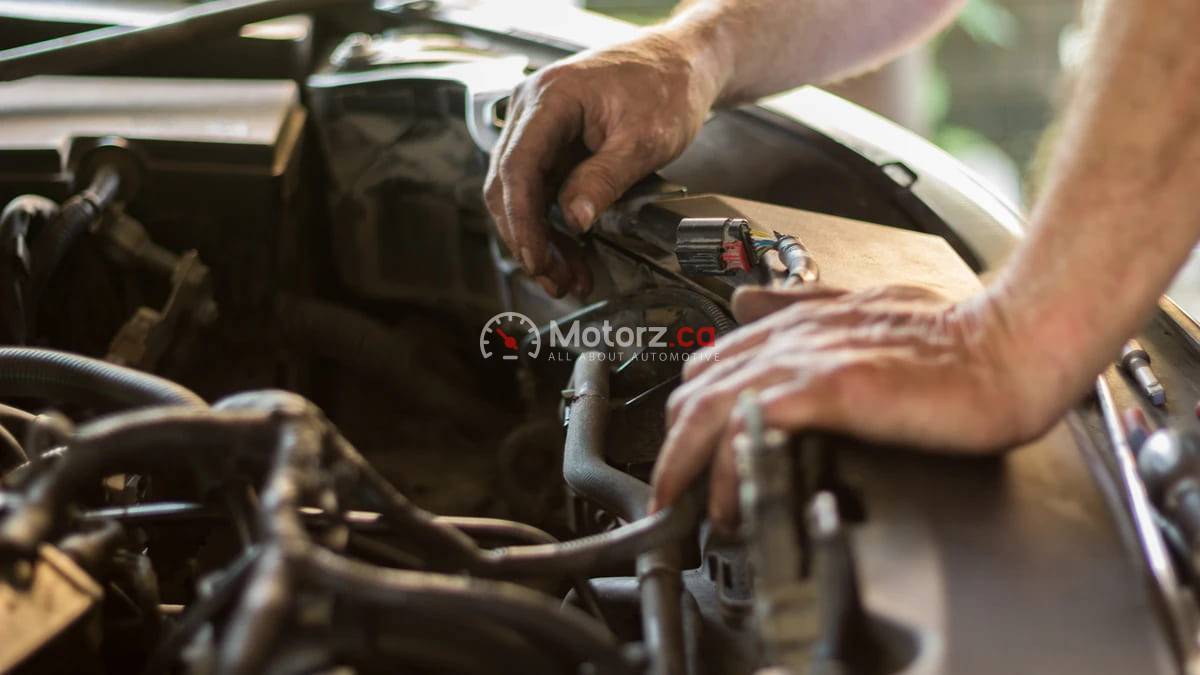
Inspect the high-pressure fuel pipe and the fuel pump connection point.
Replace the fuel pipe or the O-ring seals if they show signs of damage or incorrect seating.
Tighten all connections to the updated torque specifications provided by Hyundai engineers.
How Long Does it Take?
Typically, a fuel pipe inspection and replacement takes between 1 to 3 hours. However, due to the high volume of this recall (52,000 vehicles), dealerships in major hubs like Toronto, Vancouver, and Montreal may have a backlog. It is highly recommended to book your appointment as soon as you receive your notice.
Safety First: What to Do If You Detect a Leak
If you smell gas or see smoke coming from under the hood while driving your Hyundai SUV:
Pull Over Safely: Get away from traffic and high-occupancy areas.
Turn Off the Engine: This stops the fuel pump from sending more gasoline to the leak.
Evacuate All Passengers: Get everyone a safe distance away from the vehicle.
Call for Assistance: Do not attempt to “limp” the car home. Contact Hyundai Roadside Assistance or a towing service to bring the car directly to a dealer.
Staying Proactive Protects Your Investment
Automotive recalls are a part of life, but ones involving fire risks demand immediate attention. Hyundai Canada’s decision to recall 52,000 SUVs is a proactive measure designed to prevent accidents before they happen.
By checking your VIN today and following the recommended service guidelines, you ensure that your Tucson, Santa Fe, or Kona remains the safe, reliable vehicle you bought it to be. Don’t let a small leak turn into a major disaster—get your Hyundai inspected and stay safe on the Canadian roads.