

In the rapidly Hyundai EV Fire Risk world of electric vehicles (EVs), safety is the cornerstone of consumer trust. While Hyundai has established itself as a leader in the green revolution, a massive global recall affecting approximately 82,000 electric vehicles has sent shockwaves through the industry. The recall, centered on a potential fire risk within the high-voltage battery system, is one of the most significant and expensive safety actions in EV history.
If you own a Hyundai Kona electric vehicles, an Ioniq EV, or even an Elec City bus, you are likely familiar with the headlines. However, as we move through 2026, the situation has evolved with new software updates, settled class-action details, and a clearer understanding of the “why” behind the smoke. This isn’t just about a faulty part; it’s about the complex chemistry of lithium-ion technology and the rigorous steps a manufacturer must take to ensure your driveway remains safe.
In this guide, we break down the core mechanics of the fire risk, identify the specific models affected, and outline the exact steps you should take to protect your vehicle and your peace of mind.
The Science Hyundai EV Fire Risk: Why the Batteries Caught Fire
To understand the recall, we have to look inside the battery cells. The primary issue stems from battery packs produced by LG Energy Solution at their Nanjing plant.
The Anode Tab Misalignment
The most common technical explanation for the fires involves a “folded anode tab” within the battery cells. In a healthy battery, the internal components are precisely aligned to prevent any direct contact between the positive and negative sides.
The Defect: During the manufacturing process, a misalignment of the anode tab could lead to a localized internal short circuit.
Thermal Runaway: If a short circuit occurs while the car is charging or being driven at high speeds, it can generate intense heat. This triggers “thermal runaway,” a self-sustaining fire that is notoriously difficult to extinguish with traditional water-based methods.
The Software vs. Hardware Debate
Initially, Hyundai attempted to fix the issue with a Battery Management System (BMS) software update. The goal was to detect early signs of a short circuit and alert the driver. However, after a vehicle that had already received the software update caught fire in early 2021, the company made the bold and expensive decision to move to a full hardware replacement.
Affected Models: Is Your Vehicle on the List?
The scope of this recall is worldwide, covering vehicles sold in North America, Europe, and Asia. While the Kona Electric is the most famous model involved, it is not the only one.
The Primary “Danger Zone” Models
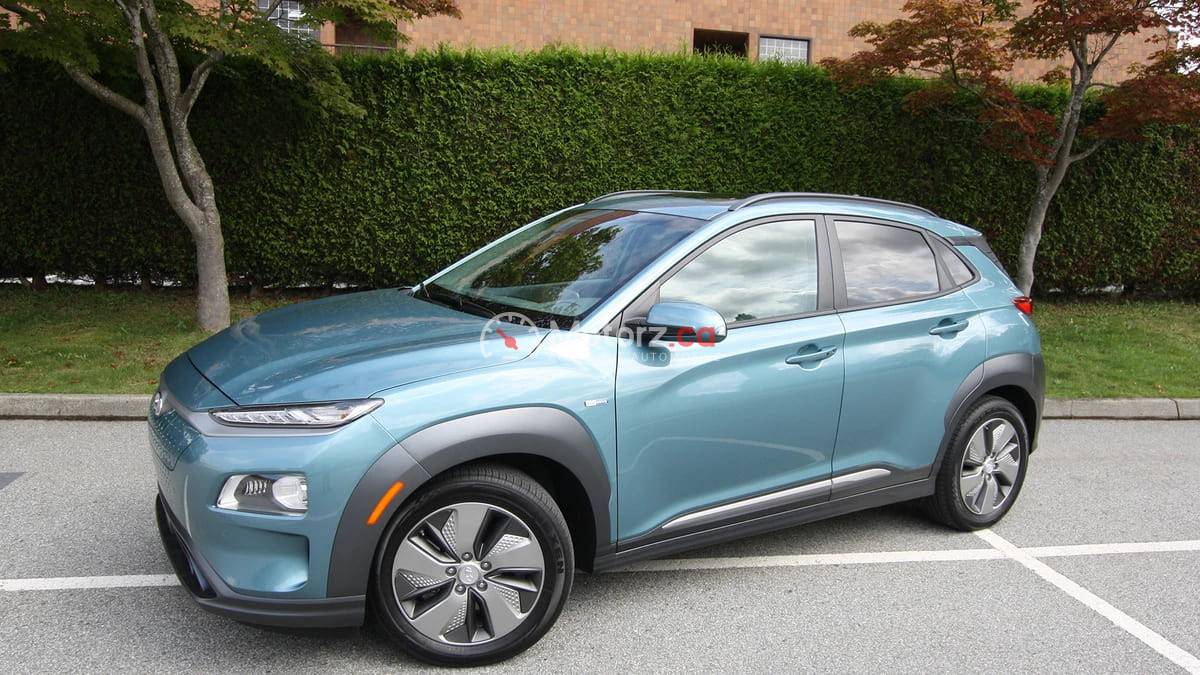
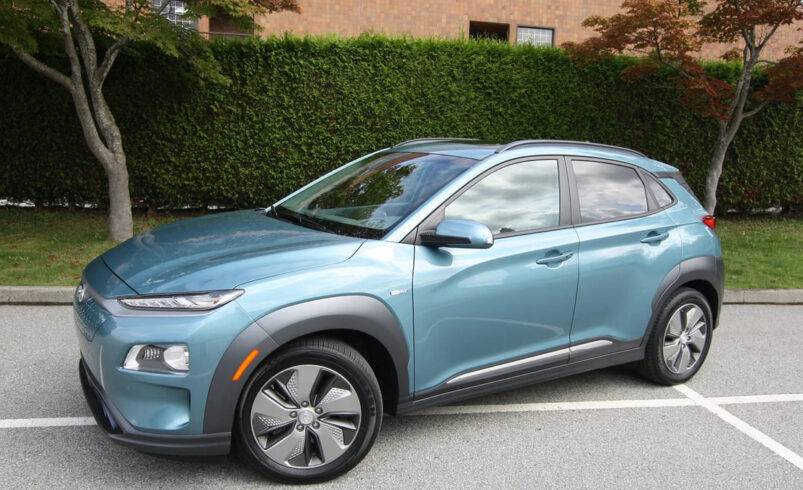
2019-2020 Hyundai Kona Electric: These models are the most frequent subjects of the recall, specifically those built between November 2017 and March 2020.
- 2017-2020 Hyundai Ioniq EV: Earlier generations of the all-electric Ioniq are also included.
- Elec City Buses: Certain commercial electric buses produced during this timeframe share the same LG battery chemistry.
Recent 2026 Updates
It is important to note that as of March 2026, a new wave of recalls has been issued for over 100,000 Kona Electric vehicles produced between 2018 and mid-2023. While the original 82,000-unit recall involved full battery swaps, this latest 2026 action focuses on a critical BMS software update to further prevent heat-related failures in older battery packs.
The “Park Outside” Mandate: Why it Matters
If your vehicle has an open recall for a fire risk, Hyundai’s official advice remains: Park your vehicle outdoors and away from structures.
Protecting Your Home
A lithium-ion fire burns much hotter than a typical gasoline fire. If a fire starts while the car is parked in an attached garage, the heat can penetrate drywall and ignite the structure of your home in minutes. By parking in an open driveway or a detached space, you ensure that even in the worst-case scenario, the damage is limited to the vehicle itself.
Charging Precautions
Owners are also advised to limit their charging to 80 percent of the total battery capacity. Deep-cycle charging (going to 100 percent) increases the internal pressure and heat within the cells, which can act as a trigger for a short circuit in a defective unit.
The Remedy: What Happens at the Dealership?
The fix for the original 82,000 vehicles was one of the most comprehensive in automotive history.
The Full Battery Swap
For the most high-risk vehicles, Hyundai authorized a full replacement of the Battery System Assembly (BSA). This means the entire high-voltage pack was removed and replaced with a newly manufactured unit that features redesigned cells from a different production lot.
The 2026 BMS Update
For vehicles in the more recent 2026 recall pool, the fix is primarily a software-based diagnostic tool.
Inspection: Technicians will check the battery health data stored in the car’s computer.
BMS Reflash: The new software is designed to monitor for microscopic voltage drops that precede a fire, automatically limiting the car’s power and alerting the owner to visit a dealer immediately if a fault is found.
Navigating the Recall Process in 2026
If you are just now learning that your vehicle might be affected, or if you are looking at a used Kona EV on the market, here is your checklist:
Use the VIN Tool: Enter your 17-digit VIN on the Hyundai Service website. This is the only way to know if your specific battery pack is part of the replacement program or just needs a software update.
Confirm Previous Repairs: If you are buying a used 2019 or 2020 Kona, ask for the service records. A “Full Battery Replacement” should be documented. This is actually a major selling point, as it essentially gives the car a brand-new “engine” and resets the battery’s lifespan.
Reimbursement: If you paid out-of-pocket for towing or alternative transport while your car was at the dealership for weeks awaiting a battery pack, you may be eligible for reimbursement under the 2024-2025 class-action settlements.
Driving Toward a Safer EV Future
The recall of 82,000 Hyundai EVs was a painful moment for the manufacturer, costing nearly 900 million units of currency and testing consumer loyalty. However, it also served as a vital “reset” for EV safety standards. The lessons learned from the Kona and Ioniq fires have led to much more rigorous cell testing and more advanced software monitoring in the newer Ioniq 5 and Ioniq 6 models.