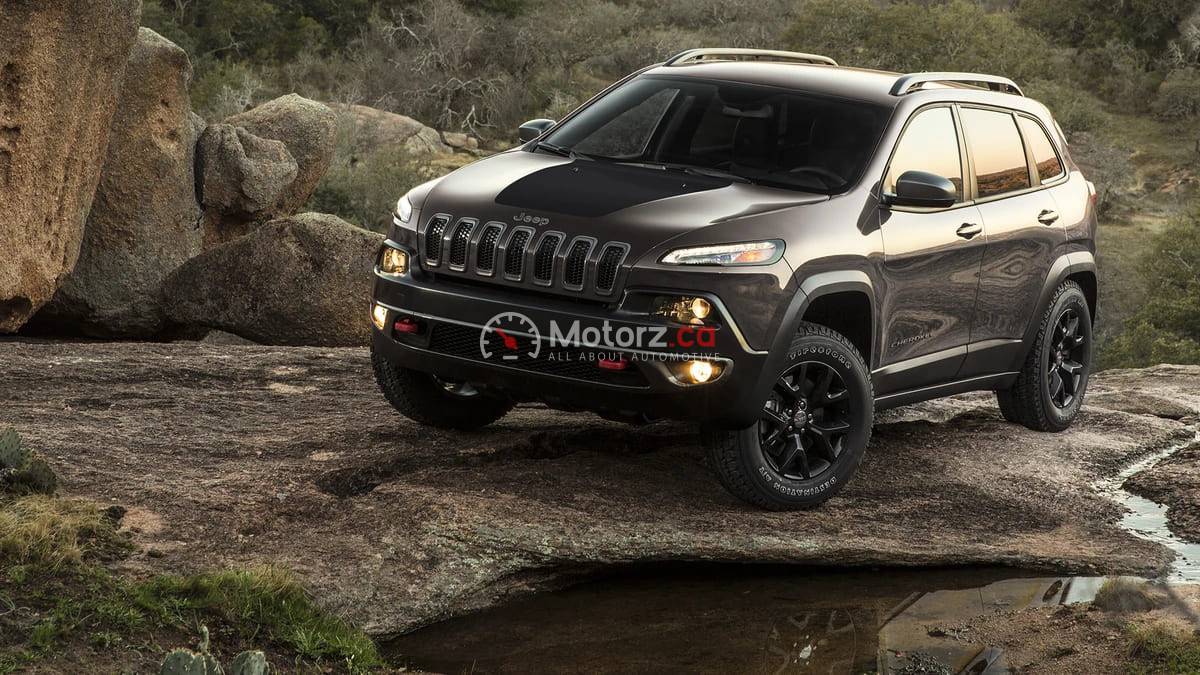
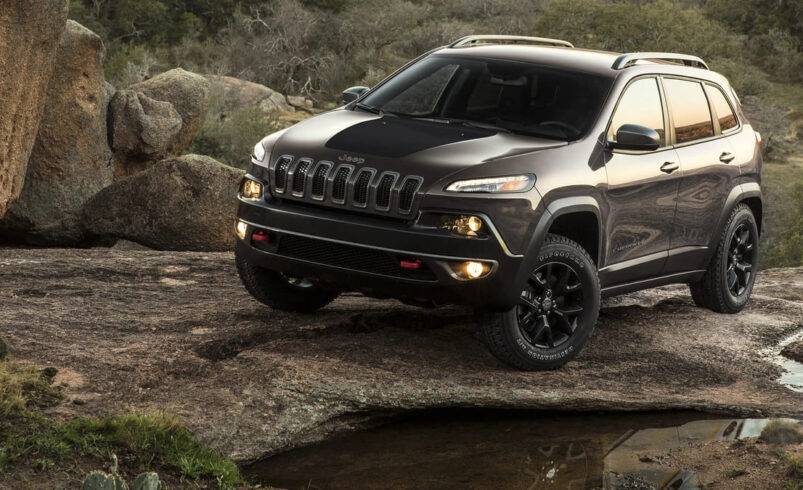

For over a decade, the Jeep Cherokee Safety Alert has been a staple for Canadian and American drivers seeking a blend of off-road capability and daily comfort. However, a major safety recall has recently put nearly 95,000 Cherokee owners on notice. The issue? A critical mechanical flaw in the driveline that can lead to an abrupt loss of motive power or a dangerous vehicle rollaway.
If you are cruising down a highway at 100 km/h and suddenly lose the ability to accelerate, or if you park your car only to find it rolling down a hill, you are facing a nightmare scenario. Stellantis (Jeep’s parent company) and the National Highway Traffic Safety Administration (NHTSA) have identified a specific component—the Power Transfer Unit (PTU)—as the culprit.
In this deep dive, we will explain exactly which models are affected, the science behind the mechanical failure, and the steps you must take to ensure your Jeep remains safe on the road.
Which Jeep Cherokee Safety Alert Models Are Included in the Recall?
The recall focuses on older and newer generations of the American drivers Cherokee equipped with a specific drivetrain configuration. If you have the standard front-wheel-drive version, you likely aren’t affected; the danger resides in the four-wheel-drive (4WD) units.
Affected Model Years
While several safety campaigns have touched on this issue, the most recent and significant recall population includes:
Jeep Cherokee (KL): Select models from the 2014 through 2017 model years.
Jeep Cherokee (KL) Expansion: Specific 2018 through 2023 models equipped with the two-speed Power Transfer Unit.
Why 95,000 Vehicles?
The number reflects vehicles built with a “two-speed” PTU. This component is responsible for shifting power between the front and rear wheels. Due to a manufacturing or design flaw, the splines (the teeth that allow gears to lock together) inside these units are prone to premature wear and eventual failure.
The Root Cause: Understanding PTU Spline Failure
To understand why your Jeep might suddenly lose power, we have to look at the “teeth” of the drivetrain.
What is the Power Transfer Unit (PTU)?
In a 4WD Jeep Cherokee, the PTU is a gearbox attached to the transmission. Its job is to take the power coming out of the engine and send it to the rear wheels when needed.
The Mechanical Breakdown
The “splines” are the grooves on the input shaft that connect the transmission to the differential. The recall documents state that relative movement between these two components causes the teeth to grind against each other.
The Wear: Over time, the teeth wear down until they can no longer “grab” each other.
The Result: The connection between the engine and the wheels is physically severed. Even if your engine is revving, the wheels won’t turn because the gears are just spinning freely against each other.
The “Park” Function Danger
The most alarming part of this driveline failure involves the Park gear. In these Jeeps, the “Park” function relies on the same mechanical connection as the drive wheels. If the PTU splines fail, the parking pawl (the pin that holds your car in place) cannot engage with the wheels.
Critical Warning: If your PTU fails, your car could roll away even if the shifter is in “Park,” unless the electronic parking brake is manually engaged.
Warning Signs Every Jeep Owner Should Know
Fortunately, the drivetrain rarely fails without giving the driver a few “hints.” Keep your senses sharp for these symptoms:
The “Service 4WD” Light
This is the most common indicator. If the Drivetrain Control Module detects an inconsistency in the PTU’s performance or speed, it will trigger a warning on your dashboard. Do not ignore this message.
Grinding or Whining Noises
Before the splines fail completely, you may hear a high-pitched whine or a metallic grinding sound coming from the front-center of the vehicle, especially during acceleration or when the 4WD system is engaging.
Change in Drive Quality
You might notice a “jerking” sensation or a brief slip when the vehicle shifts power during heavy acceleration or in slippery conditions. This is often the sound of the worn splines struggling to maintain a grip.
How to Check if Your Jeep Is Recalled
Jeep owners should be proactive. You can verify your status in less than two minutes using your Vehicle Identification Number (VIN).
Find Your VIN: Look at the bottom of your driver’s side windshield or on the sticker inside your driver’s door.
Use Official Tools: * NHTSA Recall Lookup: Visit the NHTSA website and enter your VIN.
Mopar/Jeep Recall Site: Use the official Mopar recall tool to check for Chrysler-specific campaigns (often labeled as Recall W47 or UA9).
SaferCar App: Download the NHTSA’s SaferCar app to get automated alerts sent to your phone the moment a new recall is issued for your VIN.
The Repair Process: What Happens at the Dealer?
If your Cherokee is part of the 95,000-unit recall, the manufacturer is legally required to fix the issue free of charge.
The “Software Flash” Remedy
In many cases, the initial fix is a software update. While this sounds like a “band-aid,” the software is actually designed to act as a safety net:
Propulsion Backup: If the software detects the front splines are failing, it will automatically engage the rear wheels to maintain vehicle movement so you aren’t stranded.
Auto-Parking Brake: The update will automatically engage the Electronic Parking Brake whenever the car is shifted into “Park,” preventing the vehicle from rolling away if the mechanical splines fail.
PTU Replacement
If the technician determines that the PTU has already suffered significant damage, the manufacturer may replace the entire Power Transfer Unit with a redesigned component. This is a labor-intensive job that can take several hours, so plan to leave your vehicle for the day.
Safety Tips: How to Stay Safe Until the Repair
If your Jeep is on the recall list but you haven’t been able to get into a dealership yet, follow these protocols:
Always Use the Parking Brake: Do not rely solely on the “Park” gear. Manually pull the electronic parking brake switch every time you turn off the engine.
Listen to the Car: If the “Service 4WD” light comes on, avoid high-speed driving and get to a dealer immediately.
Keep Your Receipt: If you previously paid out-of-pocket to fix a PTU failure, Jeep may reimburse you under the recall terms. Keep all your service records and part invoices.
Don’t Let a Driveline Issue Stall Your Journey
The Jeep Cherokee recall for the 95,000 affected vehicles is a reminder that even the toughest SUVs have weak points. A loss of motive power is more than just a mechanical failure; it is a serious safety risk to you and everyone else on the road.
By checking your VIN today and scheduling your free software update or PTU inspection, you ensure that your Cherokee remains the reliable off-road companion it was meant to be. Don’t wait for the grinding sound—take action now and stay safe.