
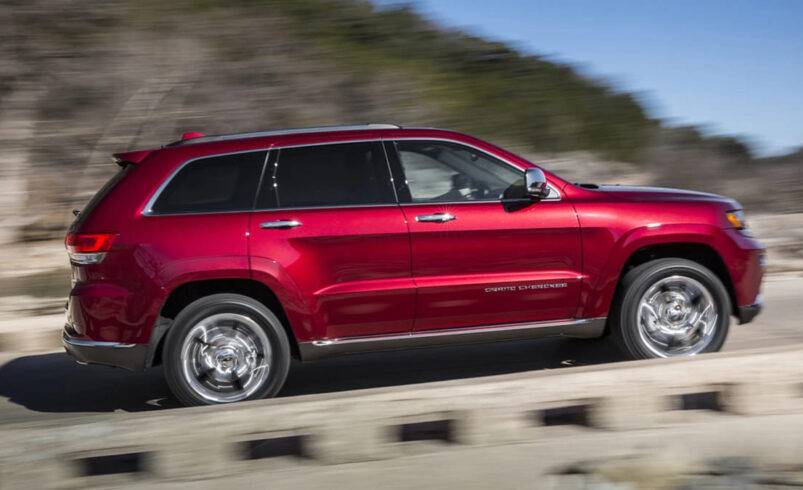

For many EcoDiesel Engines enthusiasts and long-distance towers, the Jeep EcoDiesel was the holy grail of powertrains. Combining the legendary capability of the Wrangler and Gladiator with the massive torque and fuel efficiency of a 3.0L V6 diesel, it seemed like the ultimate adventure machine. However, that dream has hit a significant speed bump.
Stellantis (Jeep’s parent company) has issued a major safety recall affecting nearly 30,000 EcoDiesel-equipped vehicles. The core of the issue is a mechanical defect in the fuel system that can lead to catastrophic engine failure and, in the worst-case scenario, a high-intensity fire.
If you own a recent-model EcoDiesel Jeep, this isn’t a “wait and see” situation. In this guide, we’ll break down the specific models involved, the science behind the failure, and how to get your vehicle repaired for free.
The Core Issue: The High-Pressure Fuel EcoDiesel Engines
The heart of this recall is the High-Pressure Fuel Pump (HPFP), a component responsible for delivering diesel at extreme pressures into the engine’s cylinders.
Why the Pump is Failing
Modern diesel engines require immense precision. The HPFP in the 3.0L EcoDiesel is designed to operate with incredibly tight tolerances. According to NHTSA reports, certain pumps were manufactured with internal components that can fail prematurely.
When these internal parts break down, they introduce metal shavings and debris directly into the fuel system. This is often referred to in the industry as “grenading” a fuel system.
How a Fuel Leak Becomes a Fire Risk
As the pump fails, it can cause the high-pressure fuel lines to crack or seals to burst. When diesel fuel is pressurized to thousands of pounds per square inch and sprayed onto a hot engine block or exhaust manifold, it can ignite instantly. Unlike a slow drip, a high-pressure spray creates a fine mist of fuel that is highly flammable, leading to rapid-spreading engine compartment fires.
Which Jeep Models are Affected?
This recall specifically targets vehicles equipped with the 3.0L EcoDiesel V6 engine. While the EcoDiesel was a popular choice across the lineup, the recall focus is on a specific production window.
2021–2023 Jeep Wrangler
The Wrangler remains the flagship of the brand. Owners of the EcoDiesel Wrangler (2021-2023) should be particularly vigilant. These vehicles are often used in off-road environments where high engine temperatures are common, increasing the stress on an already compromised fuel pump.
2021–2023 Jeep Gladiator
The Gladiator pickup brought diesel towing capacity to the mid-size truck segment. The recall affects a significant portion of the diesel Gladiator population. If you use your Gladiator for heavy hauling, the added strain on the fuel system means the HPFP is at an even higher risk of failure.
Other Related Recalls: Ram 1500
Because the EcoDiesel engine is shared across the Stellantis family, similar recalls have been issued for the Ram 1500 EcoDiesel. If you have a multi-vehicle household with both a Jeep and a Ram diesel, you should check both VINs immediately.
Warning Signs: How to Spot a Failing Fuel Pump
In many cases, the HPFP doesn’t fail silently. There are often “red flags” that occur just before a total breakdown or a fire risk develops.
Sudden Loss of Power: If your Jeep feels like it is “gasping” for fuel or suddenly enters “Limp Mode” (reduced power), the pump may be failing to maintain pressure.
The “Service Electronic Throttle Control” Light: This is a common dashboard warning that appears when the engine’s computer detects a discrepancy in fuel delivery.
Metallic Clunking Noises: Listen for unusual grinding or high-pitched whining coming from the engine bay, which can be the sound of the pump’s internal metal components disintegrating.
Fuel Odors: If you smell raw diesel fuel while idling or after parking, it may indicate a high-pressure leak has already started.
The “Total System” Damage: A Costly Consequence
One reason this recall is so significant is the “domino effect” of a fuel pump failure. When the HPFP “grenades,” those metal shavings don’t just stay in the pump.
Contamination of the Fuel Lines and Injectors
The debris is pushed through the entire fuel system. This means the fuel rails, the expensive fuel injectors, and even the fuel tank itself can become contaminated with microscopic metal shards.
If the pump fails, a simple “pump swap” won’t fix the car. A technician must often:
Replace the HPFP.
Replace all six fuel injectors.
Flush or replace the entire fuel tank.
Replace all high-pressure fuel lines.
Without a full system flush, the leftover metal shavings will simply destroy the new pump within a few hundred miles.
What Owners Need to Do Now
Safety is the priority. If you own an affected Jeep, here is your action plan:
Step 1: Confirm Your VIN
Don’t wait for a letter in the mail. Go to recalls.mopar.com or nhtsa.gov/recalls and enter your 17-digit Vehicle Identification Number. This will tell you instantly if your Jeep has an open recall for the HPFP.
Step 2: Schedule the Free Repair
This is a federal safety recall, meaning the repair is 100% free. Jeep dealerships will replace the high-pressure fuel pump with a redesigned version that is more durable. If your system has already been contaminated by debris, they will also replace the injectors and lines at no cost to you.
Step 3: Document Everything
If you previously paid for a fuel pump repair out-of-pocket before this recall was announced, keep your receipts. Jeep is required to reimburse owners for repairs related to this specific defect.
The Future of the EcoDiesel
It is worth noting that Jeep has recently phased out the EcoDiesel engine in the Wrangler and Gladiator, moving instead toward the 4xe Plug-in Hybrid and the Hurricane Twin-Turbo I6.
While the EcoDiesel offers incredible range and torque, the complexity of its high-pressure fuel system and emissions equipment has proven to be a long-term reliability challenge. For current owners, keeping up with these recalls is the only way to ensure the longevity of what is otherwise a very capable powertrain.
Take the Risk Seriously
A vehicle fire is one of the most dangerous situations a driver can face. While the Jeep EcoDiesel is a fantastic tool for the trail, the HPFP defect is a “ticking time bomb” that needs professional attention.