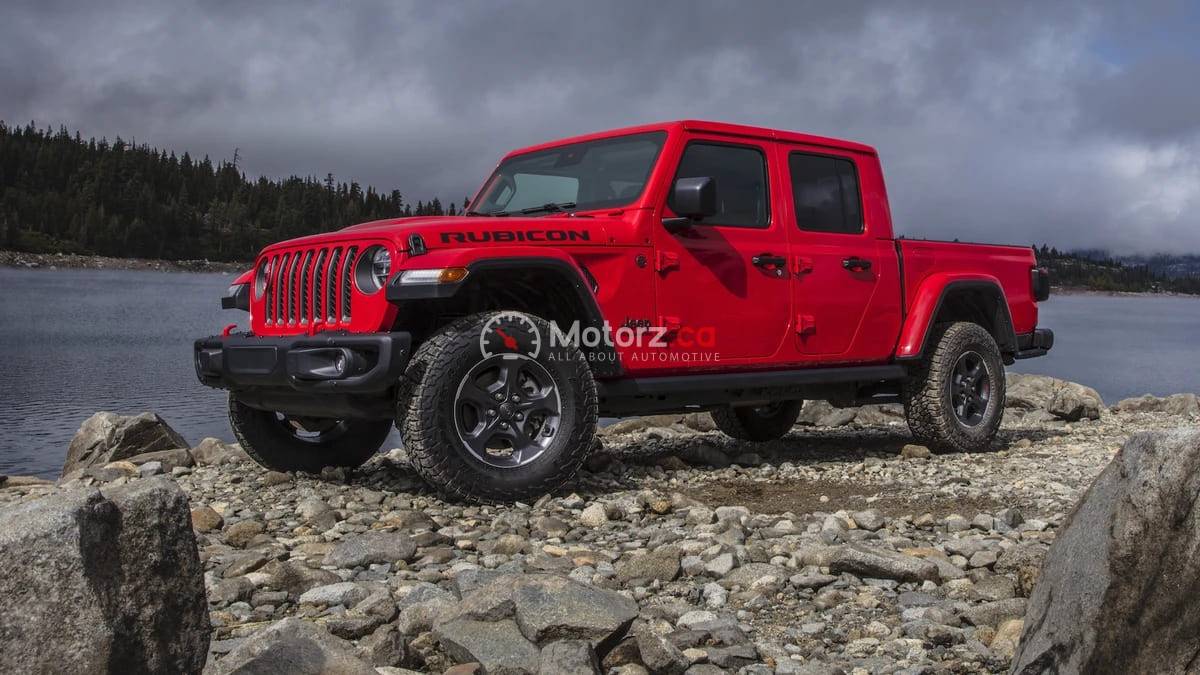

For many Face Fire Risks, the six-speed manual transmission is the only way to experience a Wrangler or Gladiator. It connects the driver to the machine, offering control that an automatic simply cannot match. However, that connection has recently come with a dangerous side effect.
Stellantis (Jeep’s parent company) has issued a significant recall affecting approximately 69,201 manual-equipped vehicles. The issue? A clutch defect so severe that it can lead to catastrophic transmission failure and, in extreme cases, a total vehicle fire. If you drive a stick-shift Jeep from the 2018–2023 model years, this is not a recall you can afford to ignore.
In this edition of our safety deep-dive, we are breaking down why these clutches are failing, how to identify the warning signs, and what the 2026 “final fix” looks like for owners.
The Face Fire Risks: How a Clutch Starts a Fire
In a standard manual transmission, the clutch pressure plate is responsible for engaging and disengaging power from the engine. It is a heavy metal disc that spends its life under immense friction and heat. Under normal circumstances, it is designed to dissipate that heat safely.
The Science of the Failure
In the affected Jeep Wrangler and Gladiator models, the clutch pressure plate can overheat far beyond its design limits. During high-load situations—such as towing, off-roading, or stop-and-go traffic—the friction causes the plate to reach temperatures exceeding 1,100 degrees Celsius.
When metal gets this hot and continues to spin at thousands of RPMs, it becomes brittle. The pressure plate can eventually fracture or “explode” inside the bellhousing. These fractured, white-hot shards of metal act like shrapnel, slicing through the transmission case and coming into contact with:
Fuel lines
Brake fluid
Oil residue
Ignition sources
Once these hot metal fragments hit a flammable liquid, a fire can start in seconds, often while the vehicle is moving at highway speeds.
Why aren’t newer models included?
Starting with the 2024 model year, Jeep introduced a redesigned clutch assembly into the production line. Furthermore, by 2025, the manual transmission was phased out for several trims (like the Gladiator in certain markets), making the 2018–2023 window the primary “danger zone” for manual owners.
Warning Signs: How to Spot a “Hot Clutch” Before It Blows
While the failure can be sudden, most Jeeps will give the driver a few “hints” that the pressure plate is reaching a critical temperature. If you experience any of the following, pull over safely and allow the vehicle to cool down.
The Smell of Burning “Old Brakes”
This is the most common indicator. A clutch that is slipping or overheating emits a pungent, acrid odor similar to burning brake pads or sulfur. If you smell this after a hill climb or while stuck in traffic, your pressure plate is likely in the “red zone.”
Changes in Pedal Feel
If your clutch pedal suddenly feels “mushy,” or if the engagement point (the “bite” point) has moved significantly higher or lower in the pedal travel, the internal components are likely warping due to heat.
Dashboard Warning Messages
As part of the interim recall software update, many Jeeps were programmed to detect “clutch slip” via engine RPM and vehicle speed sensors. If you see a “Clutch Over Temp” or similar transmission warning on your instrument cluster, the computer is trying to warn you that a fracture is imminent.
Reduced Power (Limp Mode)
In some cases, the Jeep’s computer will intentionally “de-tune” the engine or reduce torque to protect the transmission. If your Jeep feels suddenly sluggish while shifting, it may be the software trying to prevent a fire.
The “Final Fix”: What Happens at the Dealership?
Early attempts to fix this issue involved only a software update. However, many owners found that this simply masked the problem or reduced the truck’s towing capability. As of 2024 and through 2026, the official remedy is much more substantial.
Full Component Replacement
Dealers are now authorized to perform a complete mechanical overhaul of the clutch system. This includes:
New Clutch Assembly: A redesigned pressure plate with better heat-sink properties.
New Flywheel: Replacing the dual-mass or single-mass unit with a version compatible with the new clutch.
Software Calibration: Reprogramming the Powertrain Control Module (PCM) and Instrument Cluster (IPC) to accurately monitor the new hardware.
Cost and Time
As this is a safety recall mandated by the NHTSA (Recall 23V-116), the repair is 100% free of charge. Because the transmission must be dropped to access the clutch, expect the job to take a full day at the dealership.
Pro-Tips for Manual Jeep Owners
Even with the new recall parts installed, driving a manual Jeep requires specific care to ensure long-term reliability.
Avoid “Riding” the Clutch: In off-road scenarios, try to use the 4-Low gear range rather than slipping the clutch to crawl over obstacles. This keeps the heat low.
Towing Precautions: If you tow with your Gladiator, be mindful of your weight limits. Overloading a manual truck puts extreme stress on the pressure plate during starts.
Check Your VIN Regularly: Recall databases are updated frequently. Even if you had a “fix” in 2021, you may need the 2024/2026 hardware update. Use the Mopar Recall Search tool with your 17-digit VIN.