
For many Critical Engine Fire Risk, the brand represents a perfect blend of modern style and reliable performance. However, a major safety announcement has recently put hundreds of thousands of drivers on high alert. Kia America has issued a significant recall affecting approximately 300,000 vehicles in the United States due to a persistent and dangerous risk of engine compartment fires.
This isn’t just a routine “check-up” recall. The National Highway Traffic Safety Administration (NHTSA) has expressed serious concerns, as these fires can occur while the vehicle is being driven or—more alarmingly—while it is parked and the engine is turned off. For owners of affected models, the message is clear: the danger is real, and the time to act is now.
In this comprehensive guide, we will break down exactly which models are included in the recall, the mechanical causes behind the fire risk, and the immediate steps you should take to protect your home and your family.
Which Kia Models are Affected Critical Engine Fire Risk?
The scope of this recall is broad, covering several of Kia’s most popular nameplates from the last several years. If you own or lease one of the following vehicles, you may be at risk:
The Kia Telluride (2020–2024)
One of the most decorated SUVs on the market is at the center of a major “park outside” order. Specifically, nearly 463,000 Tellurides from the 2020–2024 model years were recalled due to a fire risk originating from the front power seat motor. A stuck power seat slide knob can cause the motor to overheat, leading to a fire even while the vehicle is stationary.
The Kia K5 (2021–2024)
The sleek K5 sedan is also facing scrutiny. A recent recall affects over 250,000 units equipped with the 1.6L turbocharged engine. In these models, the fuel tank itself may be at risk of melting due to a faulty purge control system, which can allow pressurized air to flow into the tank and cause structural failure.
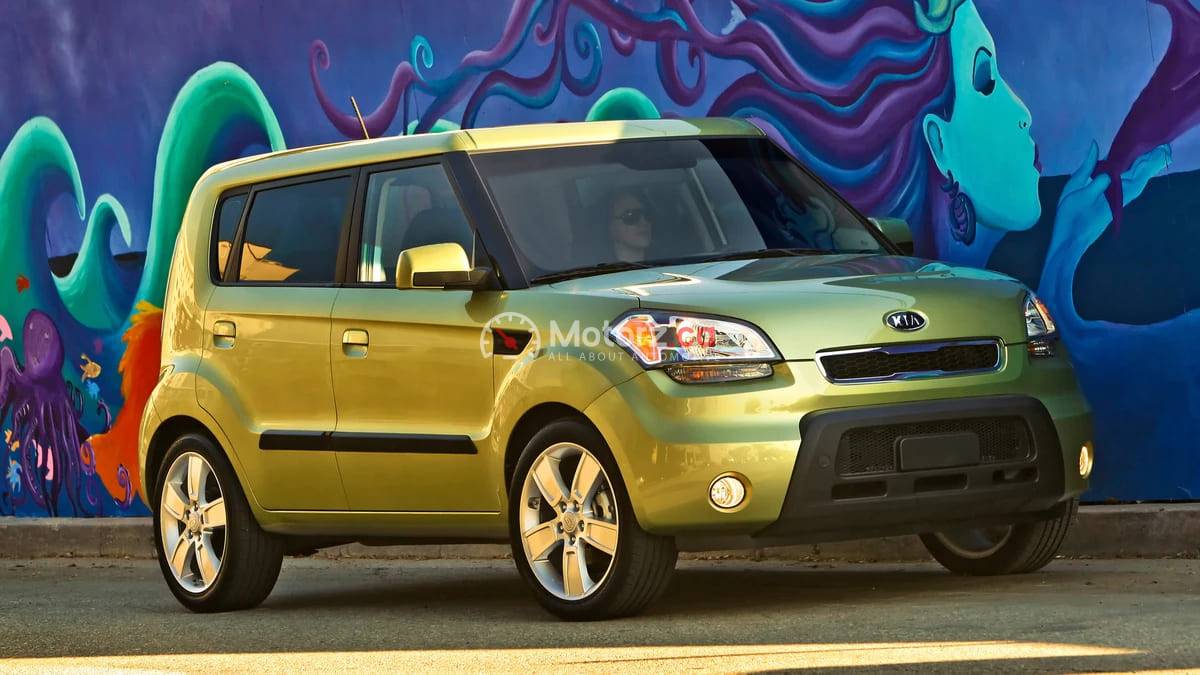
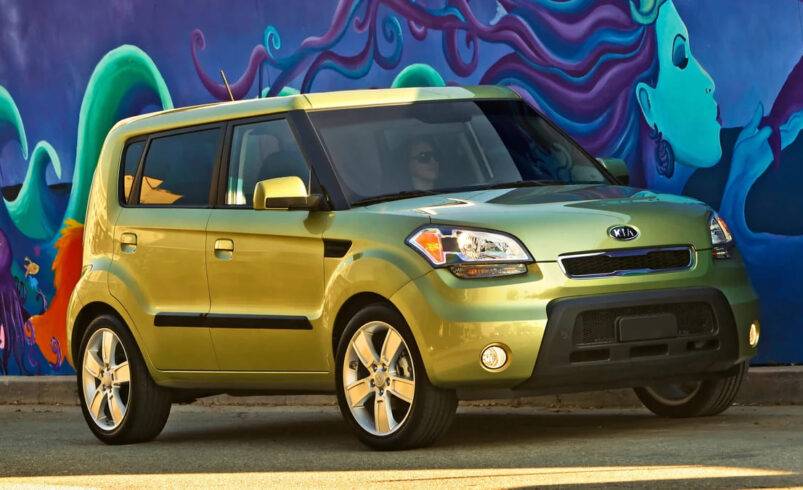
Older “Legacy” Recalls: Sportage, Soul, and Sorento
It is important to remember that Kia has a history of fire-related recalls involving the Anti-Lock Brake System (ABS) and Hydraulic Electronic Control Unit (HECU). Models like the 2011–2017 Rio, 2010–2015 Optima, and 2011–2014 Sorento have all been subject to previous campaigns where brake fluid leaks could cause an electrical short and subsequent fire.
Why Do These Fires Happen? The Mechanical Breakdown
To the average driver, an “engine fire” sounds like a single problem. In reality, Kia has identified several distinct mechanical failures that can lead to a blaze.
Electrical Shorts in the ABS Module
In many of the recalled vehicles, the culprit is an internal leak in the Anti-Lock Brake System (ABS) module. When brake fluid leaks onto the circuit board, it can cause an electrical short. Because this module is “always-on” (connected to the battery even when the car is off), the short can generate enough heat to start a fire in the middle of the night while the car is in your garage.
Power Seat Motor Overheating
In the Telluride specifically, the issue is surprisingly simple but dangerous. If the power seat adjustment knob gets stuck in a certain position, the motor continues to try and move the seat. Without a “timeout” function, the motor gets hotter and hotter until the surrounding plastic and foam ignite.
Fuel Tank and Purge Valve Issues
For the K5, the problem is related to the fuel system’s ventilation. A malfunctioning check valve can allow high-pressure air from the turbocharger’s intake manifold to enter the charcoal canister and eventually the fuel tank. This pressure can cause the tank to expand and melt against the hot exhaust system.
The “Park Outside” Warning: What You Need to Do Now
When the NHTSA and Kia issue a “park outside” advisory, they aren’t being overly cautious—they are trying to save your home. If a fire starts in a vehicle parked inside a garage, it can spread to the structure of the house in minutes, often while the family is asleep.
Immediate Action Steps:
Park in the Driveway: Keep your vehicle at least 15 to 20 feet away from your house, garage, or any other flammable structures (like a wooden fence or shed).
Don’t Park Near Other Cars: If one car catches fire, the radiant heat can easily ignite the vehicle parked next to it.
Keep an Eye Out for Warning Signs: Watch for the smell of burning plastic, smoke coming from the hood, or a “Check Engine” light that won’t go away.
How to Get Your Kia Repaired for Free
Under federal law, any safety recall must be repaired at no cost to the owner. Kia is responsible for both the parts and the labor required to fix the defect.
The Repair Process:
Check Your VIN: Visit nhtsa.gov/recalls or the Kia Owners Portal and enter your 17-digit Vehicle Identification Number. This will tell you instantly if your specific car has an open recall.
Contact Your Dealer: Call your local Kia service department. Be prepared for a wait, as parts for 300,000 cars take time to manufacture and distribute.
The Fix: Depending on your model, the fix may involve installing a new fuse to prevent electrical shorts, replacing a seat motor bracket, or swapping out a fuel tank check valve.
Frequently Asked Questions (FAQ)
Can I still drive my Kia if it has been recalled?
In most cases, yes, you can still drive the vehicle. However, the risk of fire exists both while driving and while parked. You should prioritize getting the repair done as soon as possible and follow all “park outside” instructions until the work is complete.
Will Kia provide a loaner car?
While not required by law for every recall, many Kia dealerships will provide a loaner vehicle or a rental reimbursement if the repair parts are on backorder and your car is deemed unsafe to park near your home. It never hurts to ask the service manager.
Does this recall affect the resale value of my car?
An open recall can hurt resale value, but a completed recall usually does not. In fact, having a documented history of all recall repairs being performed by an authorized dealer can actually help prove that the car was well-maintained.
Safety Over Convenience
A recall affecting nearly 300,000 vehicles is a massive logistical challenge, but your safety is the only thing that matters. If you own one of these affected Kia models, don’t wait for the official letter to arrive in your mailbox. Take the initiative, check your VIN today, and move your car out of the garage.
Kia is working hard to rectify these issues, but the first line of defense is an informed and proactive owner. Stay safe, stay outside, and get your car to the dealer as soon as they have the parts ready.