
Imagine pulling your Fire Risk Recall into the garage after a long day, turning off the ignition, and walking inside—only for a fire to start under the hood while the vehicle is completely powered down. This alarming scenario is the reality behind a massive safety alert issued by Kia Motors. In early March, the automaker announced a significant recall affecting nearly 380,000 vehicles in the United States due to a defect that could lead to an engine compartment fire.
While recalls are common in the automotive industry, the nature of this specific alert is particularly urgent. Owners are being advised to park their vehicles outdoors and away from structures until the necessary repairs are completed. In this comprehensive guide, we will break down which models are involved, the specific cause of the fire risk, and how you can protect your property and your family.
The Core Issue: What Causes the Fire Risk Recall?
The primary culprit behind this massive recall is a component within the braking system known as the Hydraulic Electronic Control Unit (HECU). This is a sophisticated piece of hardware responsible for managing the Anti-lock Braking System (ABS) and Electronic Stability Control (ESC).
The Danger of Electrical Short Circuits
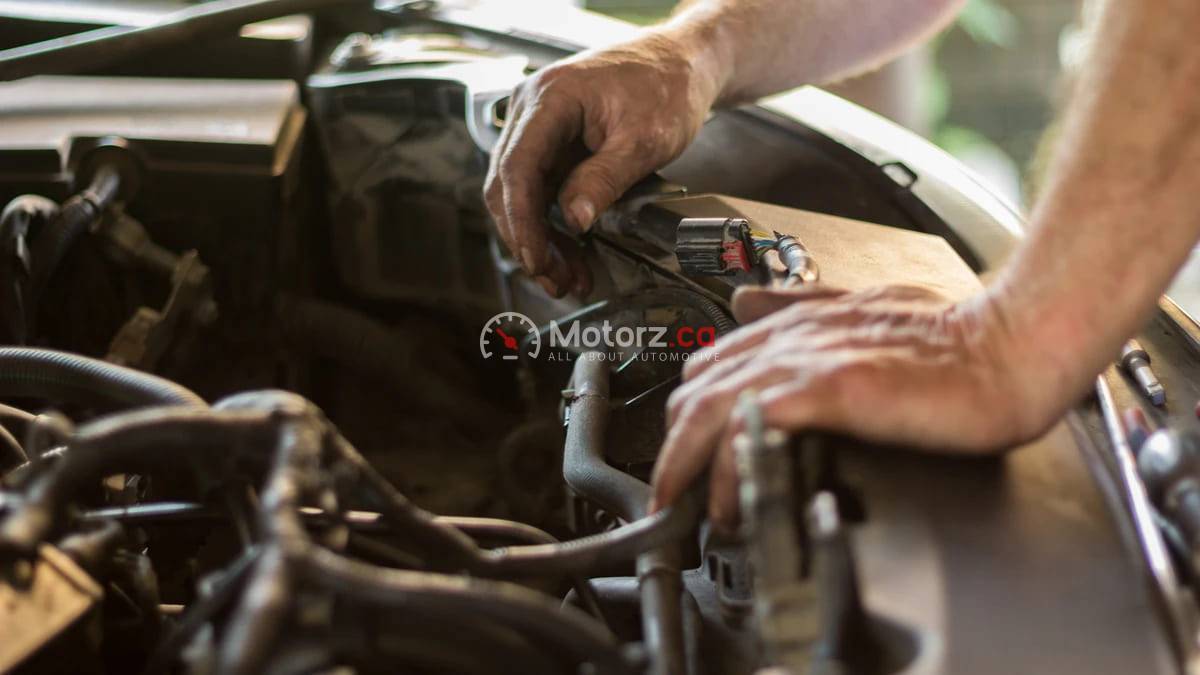
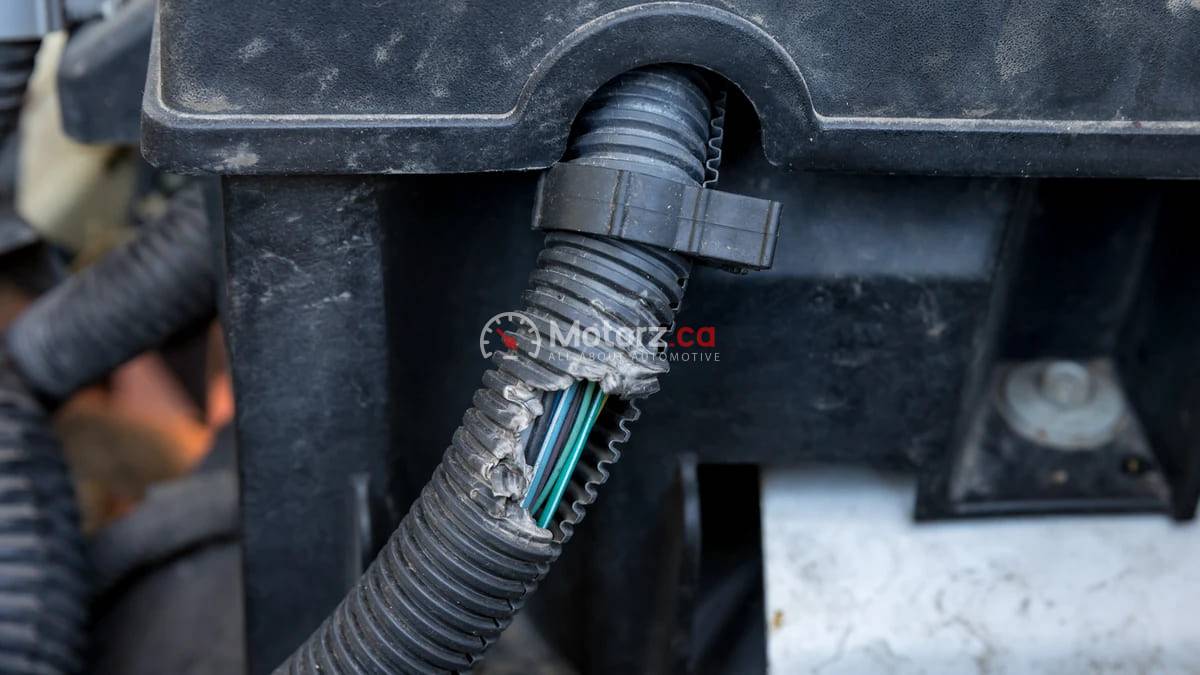
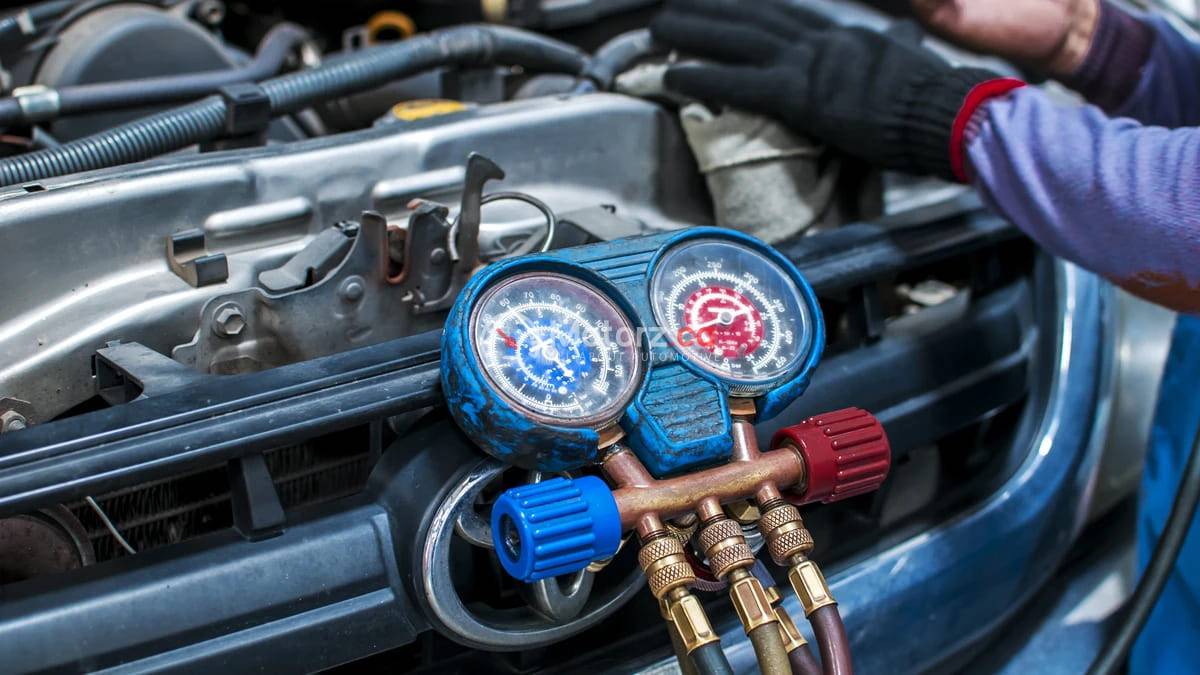
The technical failure involves an electrical short circuit inside the HECU. Under certain conditions, moisture or contaminants can enter the unit, leading to an “overcurrent” situation. Because this unit is constantly powered—even when the car is turned off—a short circuit can generate excessive heat and eventually spark a fire in the engine bay.
Why Parking Indoors is a Threat
Most vehicle fires occur while the car is being driven, but this specific defect can trigger a blaze while the vehicle is stationary and parked. If a car catches fire inside a garage or under a carport, the flames can quickly spread to the home, leading to devastating property damage or personal injury. This is why the National Highway Traffic Safety Administration (NHTSA) has echoed Kia’s warning to keep these vehicles in open spaces until they are serviced.
Which Kia Models are Included in the Recall?
This recall specifically targets two of Kia’s most popular models from the mid-2010s. If you own one of the following vehicles, you need to take immediate action.
Kia Sportage (2017–2021)
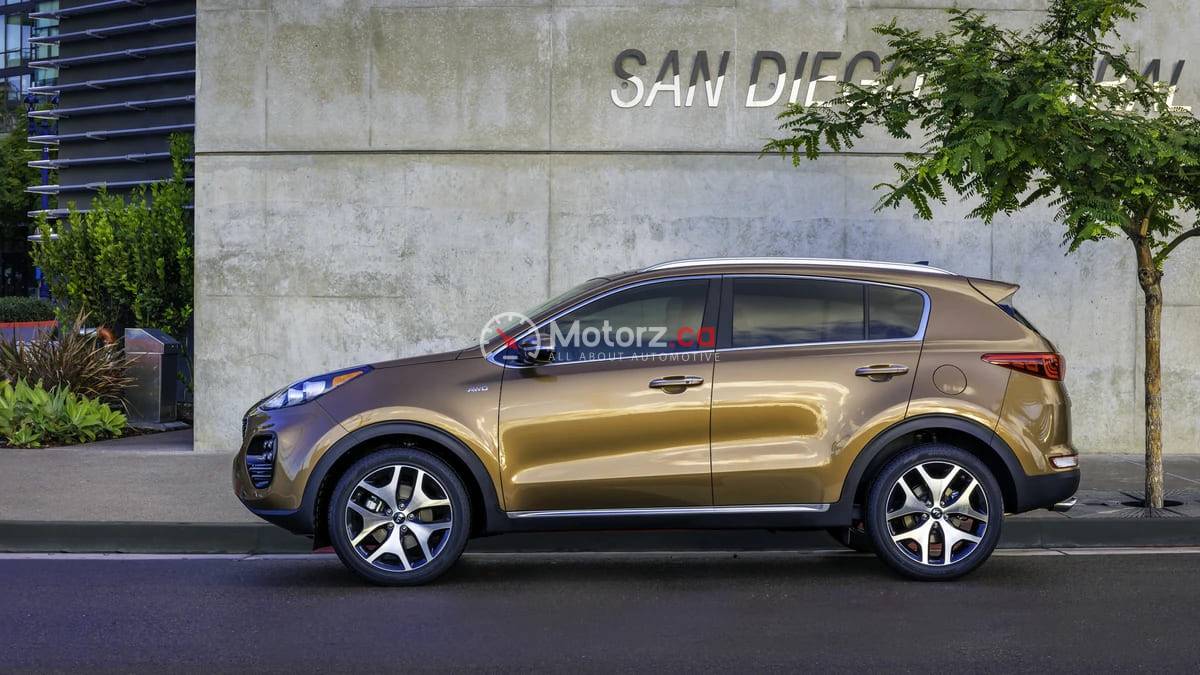
The Sportage is a staple in the compact SUV market. Models manufactured between 2017 and 2021 are the primary focus of this safety action. These vehicles were equipped with the specific HECU configuration that is prone to the internal short circuit.
Kia Cadenza (2017–2019)
The Cadenza, Kia’s full-size premium sedan, also shares the affected braking hardware. While there are fewer Cadenzas on the road compared to the Sportage, the risk level remains identical for these model years.
Identifying the Warning Signs
In many cases, the vehicle will provide a warning before a fire actually starts. Owners should be vigilant and watch for the following “red flags” on their dashboard or in the garage.
Dashboard Warning Lights
The most common indicator of a failing HECU is the illumination of the ABS Light, the Brake Warning Light, or the Check Engine Light. If any of these symbols appear, do not ignore them. The computer has detected an electrical anomaly that requires professional diagnosis.
Physical Smells and Sounds
Burning Smell: A distinct odor of burning plastic or melting wire is a major sign that an electrical short is occurring.
Visible Smoke: If you see even a small wisp of smoke coming from under the hood, safely pull over (if driving) or exit the vehicle immediately.
Popping Noises
Some owners have reported hearing faint popping or crackling sounds coming from the engine compartment, which is often the sound of electrical arcing within the control module.
The Official Fix: How Kia is Addressing the Recall
The good news is that the solution for this recall is relatively straightforward and, by law, must be provided to owners free of charge.
Replacing the Fuse Kit
To mitigate the fire risk, Kia technicians will install new fuses in the vehicle’s electrical junction box. These fuses are designed to “blow” or break the circuit at a lower amperage than the original parts. By reducing the amount of power allowed to reach the HECU, the system prevents an electrical short from generating enough heat to start a fire.
Software Updates
In some instances, the dealership may also perform a software update to the electronic stability control system to better monitor the health of the braking unit.
Cost and Time
Cost: 0 units. All recall-related repairs are free at authorized Kia dealerships.
Duration: The physical repair typically takes between 1 and 2 hours. However, due to the high volume of affected vehicles, you may need to leave your car for a full day depending on the dealer’s schedule.
Steps for Owners: What You Should Do Today
If you suspect your vehicle is part of the 380,000-unit recall, follow these steps to ensure your safety.
Check Your VIN
Your 17-digit Vehicle Identification Number (VIN) is the key to knowing your status. You can find it on the driver-side dashboard (visible through the windshield) or on your vehicle registration card. Visit the Kia Owners Portal or the NHTSA website and enter your VIN to see if there are any open recalls.
Park Outside
Until you have confirmation that the repair has been performed, follow the manufacturer’s advice: Park outside and away from structures. This includes avoiding parking near wooden fences, trees, or other vehicles.
Schedule Your Appointment
Contact your local Kia service department. Even if you haven’t received an official letter in the mail yet, you can schedule the appointment as long as your VIN shows an “incomplete” recall status in their system.
The Broader Context: Kia and Hyundai Fire History
This early March recall is part of a larger, ongoing challenge for the Hyundai-Kia automotive group. Over the past several years, millions of vehicles from both brands have been recalled for various fire-related issues, including engine failures and brake fluid leaks.
Why So Many Recalls?
The automotive industry has moved toward sharing components across different models to save costs. While this makes manufacturing efficient, it means that a single defective part—like a poorly designed brake module—can end up in hundreds of thousands of cars across different segments, from sedans to SUVs.