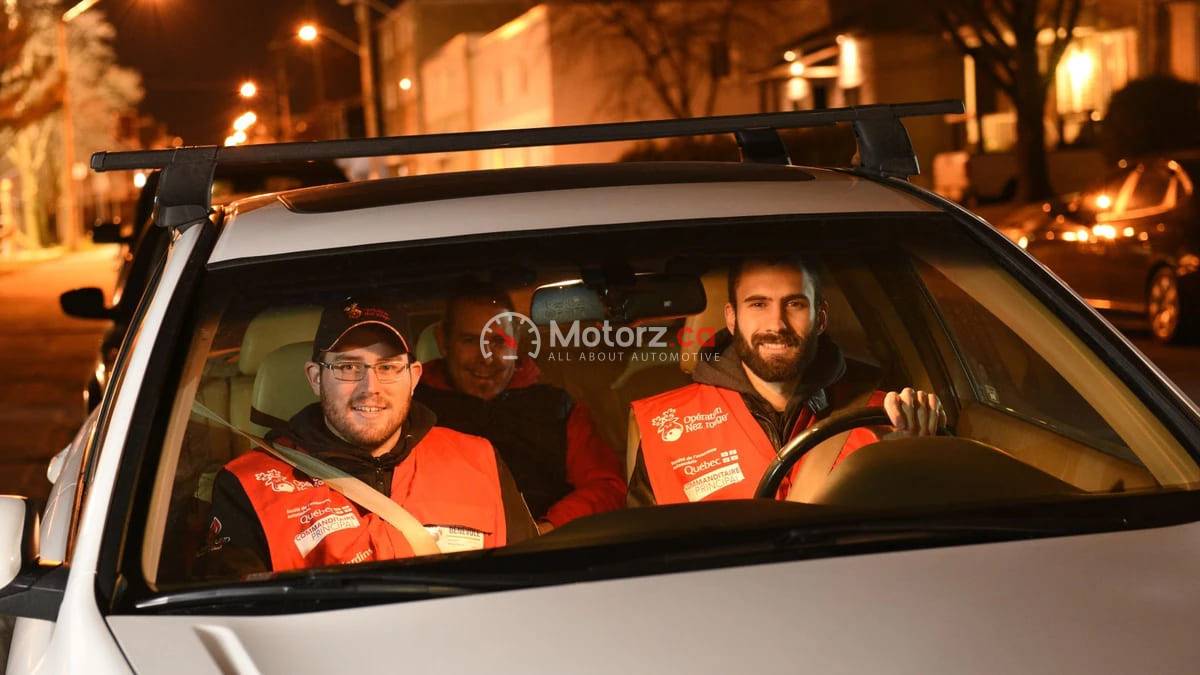


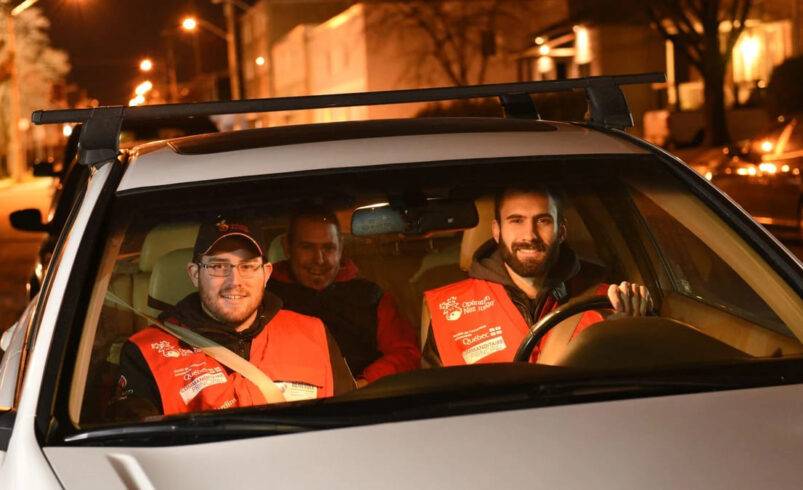

For nearly four decades, the sight of a red-vested volunteer behind the wheel of a stranger’s car was a hallmark of the holiday season in Canada. Operation Red Nose (Opération Nez rouge) has long been the gold standard for festive road safety, providing thousands of safe rides home to revelers and their vehicles. However, the world changed with the global pandemic, and even a beloved institution fueled by community spirit was not immune to the challenges of social distancing.
When the traditional ride-service model became impossible due to health risks, the organization faced a critical crossroads. Would they go dark during the most dangerous driving season of the year, or would they find a new way to fulfill their mission? The result was a historic shift: Operation Red Nose went online. In this comprehensive look, we explore how this holiday safety giant moved from the pavement to the digital space, the lasting impact on road safety culture, and how you can stay safe during the festivities in a post-pandemic world.
The Pivot: Why Operation Red Nose Moved to a Digital Model
The core of Operation Red Nose relies on three volunteers entering a client’s private vehicle—a setup that was fundamentally incompatible with COVID-19 safety protocols. To protect its massive network of over 50,000 volunteers and its thousands of clients, the organization made the difficult decision to suspend physical ride services in many regions.
Shifting from Transportation to Awareness
Rather than staying silent, the organization launched a robust digital awareness campaign. The goal shifted from physically moving cars to mentally moving people toward better decisions. By utilizing social media, mobile apps, and virtual events, Operation Red Nose ensured that the conversation around impaired driving remained front and center, even when the “red vests” weren’t on the streets.
The Role of the Operation Red Nose Mobile App
The transition was anchored by a significant upgrade to their mobile application. Instead of just a dispatch tool, the app became a comprehensive safety hub. It allowed users to:
Call a Cabs or Rideshares: Direct integration with local transportation services.
Set Designated Driver Alerts: Reminders for groups to decide on a sober driver before the first drink is poured.
Access Safety Tips: Real-time information on how long it takes for alcohol to leave the system.
Road Safety in the “Digital-First” Era
The suspension of physical rides highlighted a major question: Can a digital campaign actually prevent accidents? The data suggests that awareness is just as critical as the ride itself.
Changing the “Morning After” Culture
One of the most successful digital pivots for Operation Red Nose was its focus on the “morning after” risk. Through online infographics and interactive webinars, they educated the public on the fact that you can still be legally impaired eight to ten hours after your last drink. This digital outreach reached a younger demographic that primarily consumes safety information through platforms like TikTok and Instagram.
Virtual Fundraising for Youth Sports
Operation Red Nose isn’t just about rides; it is a major fundraiser for local youth and amateur sports. By moving their fundraising efforts online through virtual galas and digital donation drives, they were able to continue supporting community programs even when the physical ride-service revenue (which comes from client donations) was absent.
Key Lessons from the Online Transition
The move to a digital-only model for those few seasons provided several insights that have permanently changed how holiday safety organizations operate today in 2026.
Accessibility is Everything: Not everyone lives in an area where a physical ride service is available. Digital tools provide a safety net for rural communities.
Prevention Over Reaction: It is better to prevent someone from drinking and driving through education than to rely solely on picking them up once they are already impaired.
Scalability: A digital campaign can reach millions of people at a fraction of the cost of maintaining a fleet of volunteer vehicles, allowing more money to go directly to community causes.
Helpful Tips for a Safe Holiday Season
Even as physical services have largely returned, the digital lessons of the past few years remain essential. Here is how you can ensure a safe festive season:
Pre-Plan Your Transportation
Before you leave the house, have your “Exit Strategy” ready. Download the local transit app, pre-book a rideshare, or confirm that your designated driver is staying sober.
Host Responsibly
If you are the one throwing the party, the responsibility for road safety starts in your living room.
Offer “Mocktails”: Make non-alcoholic drinks look and taste as exciting as the alcoholic ones.
Provide Snacks: High-protein foods can help slow the absorption of alcohol.
The “Keys at the Door” Rule: Have a designated spot for keys to prevent guests from making impulsive decisions at the end of the night.
Use Digital Tools
Utilize apps that calculate estimated Blood Alcohol Concentration (BAC) based on your weight and the number of drinks consumed. While these are not legal tools, they serve as an excellent “reality check” to show you just how long you need to wait before driving.
Frequently Asked Questions (FAQ)
Is Operation Red Nose back to providing rides?
In 2026, many local chapters have returned to physical ride services, but the organization continues to maintain a strong digital presence to complement its on-road efforts. Always check your local chapter’s website for current service availability.
How does Operation Red Nose make money if it’s free?
The service is free for the client, but it is customary to provide a donation to the volunteers. These donations are then funneled into local youth and amateur sports organizations. In digital-only years, these funds are raised through corporate sponsorships and online donations.
What should I do if I am impaired and Operation Red Nose isn’t available?
Never take the risk. Call a taxi, use a rideshare service like Uber or Lyft, call a sober friend, or stay overnight. The cost of a ride is a tiny fraction of the cost of a DUI conviction or a life-altering accident.
A Legacy of Adaptability
Operation Red Nose’s ability to pivot online during a global crisis proved that the heart of the organization isn’t just a car—it’s a commitment to community safety. By embracing technology, they managed to keep the spirit of the “Red Nose” alive during a time of isolation.
As we celebrate this year, let’s remember the lessons of the digital transition: stay informed, plan ahead, and never underestimate the power of a collective community effort to keep our roads safe. Whether through a physical ride or a digital reminder, Operation Red Nose continues to lead the way in holiday safety.