

We all want our Hidden Cost of Customization to stand out. Whether it is a rugged lift kit for your truck, a high-tech remote starter for those freezing mornings, or a set of sleek aftermarket wheels, modifications are the ultimate way to personalize your ride. But in the modern era of automotive engineering, your car is no longer just a collection of mechanical parts; it is a highly integrated, mobile supercomputer.
Every time you “add on” a new component, you are essentially trying to rewrite a small piece of a very complex digital and mechanical script. While many upgrades work flawlessly, others can trigger a chain reaction of unexpected issues, ranging from annoying dashboard warning lights to catastrophic mechanical failure.
In this guide, we are looking past the shiny chrome and the “plug-and-play” promises. We are exploring the real-world problems that vehicle add-ons can create and how you can customize your car without compromising its safety, warranty, or longevity.
The Hidden Cost of Customization: How Electronics Clash
In 2026, the biggest challenge for any aftermarket accessory is the Software Handshake. Modern vehicles use complex data networks—like the CAN bus—to allow the engine, brakes, and infotainment systems to talk to each other. When you tap into this system with a non-approved device, things can get “lost in translation.
The “Diagnostic Lockdown” and Sensor Calibration
Many new vehicles now feature secure gateways that require official manufacturer authorization for the computer to recognize a new part. If you install an aftermarket sensor or an electronic add-on without this “digital token,” your car may enter a limp mode or disable critical safety features like Adaptive Cruise Control.
The Risk: An improperly integrated remote starter might cause the car to think it is being stolen, leading to a permanent “immobilizer lockout” that requires a tow to the dealership.
The Solution: Always look for accessories that are specifically labeled as “CAN bus compatible” and, whenever possible, choose manufacturer-approved electronics that have been pre-verified to work with your car’s specific software version.
Battery Drain and “Phantom” Power Draw
Have you ever installed a new dashcam or a high-end stereo only to find your car dead on Monday morning? Aftermarket electronics are notorious for “phantom draw”—drawing small amounts of power even when the ignition is off.
The Insight: Modern car computers are sensitive to voltage fluctuations. If a poorly wired add-on drops the battery voltage even slightly below 12 volts, you might see a “Christmas tree” of random warning lights on your dash that have nothing to do with the accessory itself.
Suspension and Lift Kits: The Physics of the Flip
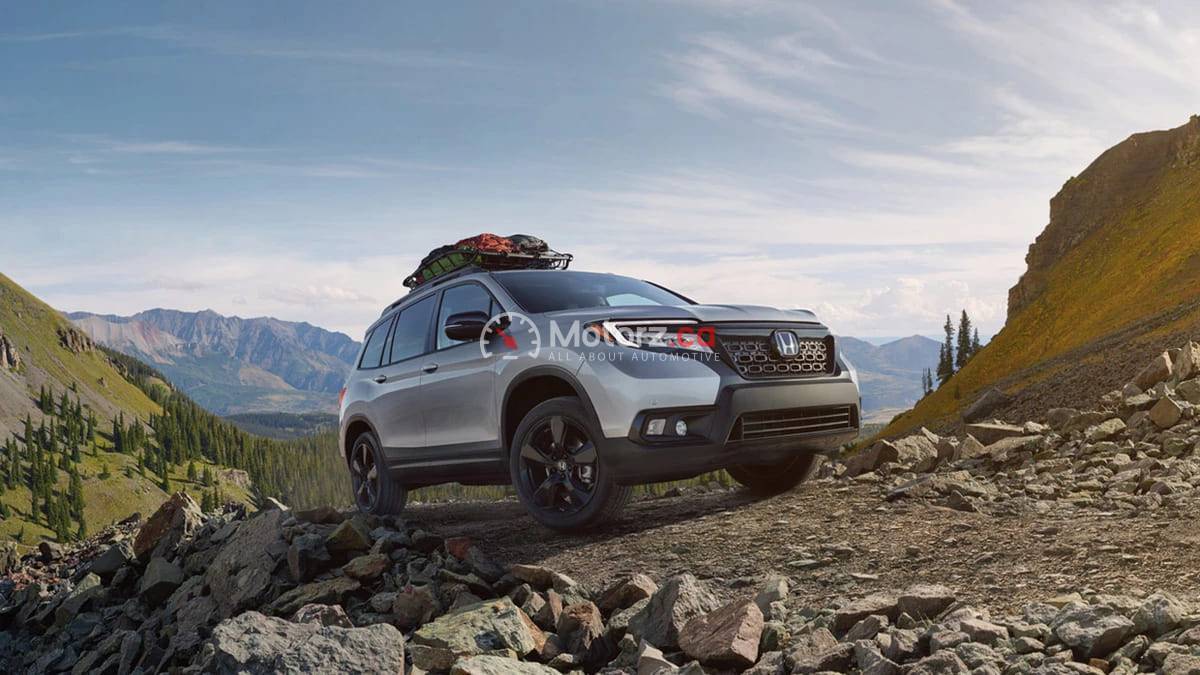
For truck and SUV owners, a lift kit is often the first modification on the list. While they look aggressive and provide better ground clearance for off-roading, they fundamentally change the physics of how your vehicle handles the road.
The Center of Gravity Trap
When you raise a vehicle’s body by three, four, or six inches, you are also raising its Center of Gravity. Physics dictates that a taller object is easier to tip over.
The Danger: In an emergency swerve—to avoid a deer or a sudden stop—a lifted truck is significantly more likely to experience a rollover than a stock version.
- Handling Degradation: Lifting a vehicle changes the angles of your steering linkages and control arms. If the kit doesn’t include “drop brackets” to correct these angles, you may experience “bump steer,” where hitting a pothole causes the steering wheel to jerk violently in your hands.
Accelerated Component Wear
Your car’s factory suspension was designed to operate within a very specific range of motion. A lift kit often pushes your CV axles and ball joints to their absolute limits.
The Consequence: Parts that should last 150,000 kilometers may begin to fail after only 30,000. Replacing these prematurely worn components can quickly turn a “cheap” lift kit into a multi-thousand-unit repair bill.
The Warranty War: OEM vs. Aftermarket
One of the most common questions in the automotive world is: “Will this mod void my warranty?” The answer is a bit of a gray area, but the risks are real.
The “Chain of Causation”
Under most consumer protection laws, a manufacturer cannot void your entire warranty just because you added a roof rack or a cold-air intake. However, they can—and will—deny a claim if they can prove the add-on caused the failure.
Example: If you install an aftermarket engine tuner to get more horsepower and your turbocharger blows up, the manufacturer will likely deny the claim, arguing that you pushed the engine beyond its designed limits.
The “Not Our Design” Defense: In a major mechanical failure, the burden of proof often shifts to you. You may have to hire an independent engineer to prove the aftermarket part didn’t cause the damage, which is a long and expensive process.
Safety System Interference (ADAS)
Modern cars are equipped with Advanced Driver Assistance Systems (ADAS). These are the cameras, radars, and ultrasonic sensors that help you stay in your lane and brake for pedestrians. Many add-ons can accidentally “blind” these systems.
Bull Bars and Grille Guards
Adding a heavy steel bull bar to the front of your truck might look great, but it can interfere with the radar sensors hidden behind the grille.
The Problem: If the sensor is blocked or even slightly misaligned by the weight of the bar, your Automatic Emergency Braking might not activate when you need it, or it might “ghost brake” for no reason at all.
Windshield Tint and Dashcams
Many safety cameras are mounted directly against the top of the windshield.
The Issue: Installing a dark tint strip or mounting a dashcam too close to these cameras can cause reflections or obstructions that disable your Lane Keep Assist. Always check the “clearance zone” mentioned in your owner’s manual before mounting anything to the glass.
Resale Value: The “Custom” Penalty
While you might love your custom neon underglow and giant spoiler, the next buyer might not. In fact, heavy modifications almost always lower the resale value of a vehicle.
The Niche Market Problem
When you customize a car, you are tailoring it to your specific taste. You are essentially shrinking the pool of potential buyers. Most people looking for a used car want something that feels “factory fresh” and reliable.
The Tip: If you do modify your car, keep all the original parts. Being able to say, “I have the factory wheels and suspension in the garage,” can save your trade-in value when it’s time to move on to a new vehicle.
How to Modify Responsibly
Vehicle add-ons aren’t inherently “bad,” but they do require a higher level of awareness and maintenance. To enjoy the benefits of customization without the headaches, follow these three rules:
Prioritize Quality: Avoid “no-name” parts from unverified online marketplaces. Stick with reputable brands that offer their own warranties.
Professional Installation: For electrical or suspension work, the “DIY” route can be dangerous. A professional installer knows how to route wires away from heat sources and how to properly torque suspension bolts.
Read the Fine Print: Before adding a performance-enhancing part, understand how it affects your factory warranty and your insurance coverage.