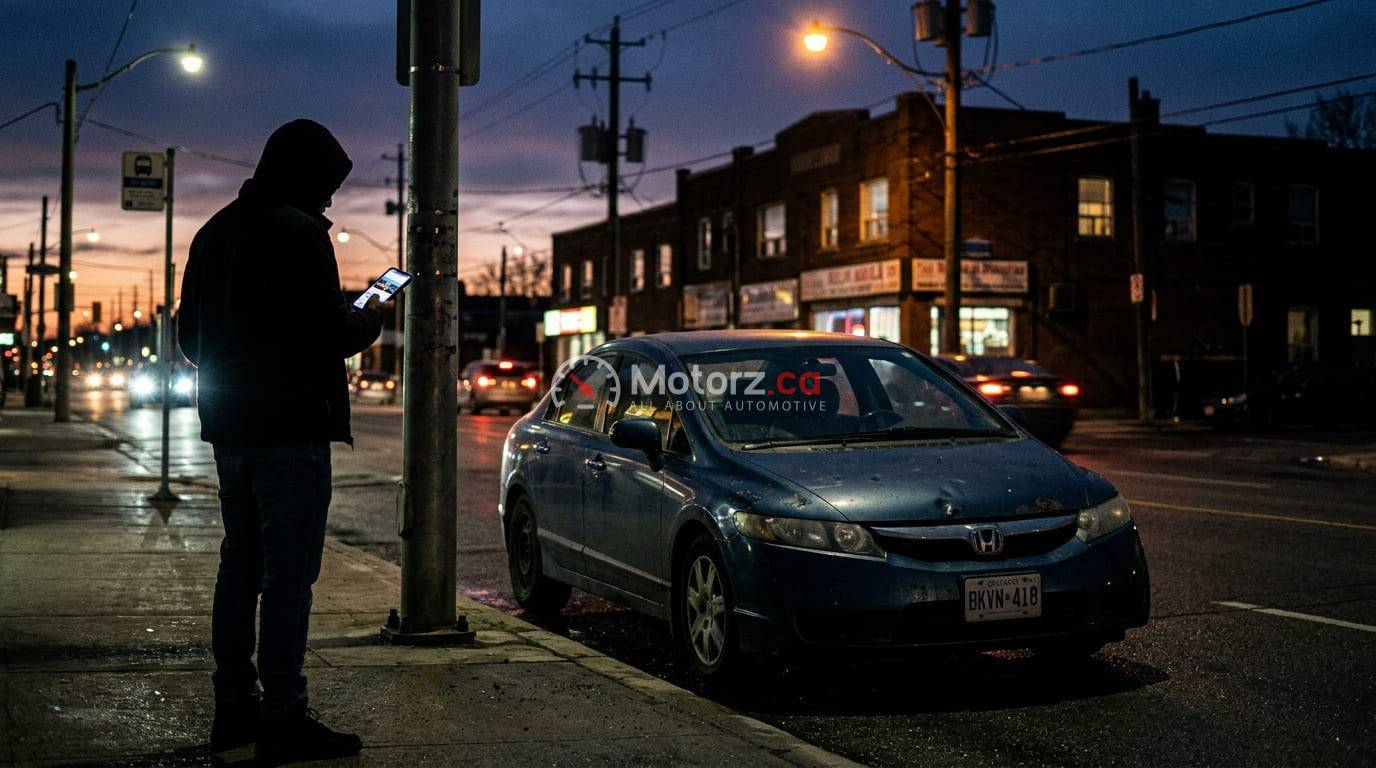
Living and Car for a Daily Brampton Lifestyle, Ontario, comes with a unique set of challenges. One minute you are navigating the tightly packed, bustling parking lots of Shoppers World or Bramalea City Centre; the next, you are merging onto a fast-moving, high-stress stretch of the Highway 410. Add in the reality of unpredictable Canadian winters, sprawling suburban commutes, and rising costs of living, and choosing the right vehicle becomes a critical financial and practical decision.
For years, the default choice for suburban families and daily commuters was either a compact sedan or a sprawling midsize SUV. However, a different segment has taken over local roads: the subcompact crossover. Vehicles like the Hyundai Kona, Subaru Crosstrek, Honda HR-V, and Toyota Corolla Cross are everywhere in Peel Region.
But a critical question remains for prospective buyers: Is a subcompact crossover truly enough car for the daily Brampton lifestyle, or will you find yourself wishing you bought something bigger?
To find out, we will break down how these downsized SUVs handle the real-world demands of Brampton driving, from cargo space and winter safety to insurance rates and commuter comfort.
What Exactly Is a Car for a Daily Brampton Lifestyle?
Before diving into the specifics of local geography and driving habits, it helps to define what a subcompact crossover actually is.
Often referred to as a subcompact SUV, this vehicle segment bridges the gap between a traditional hatchback and a compact SUV like the Toyota RAV4 or Honda CR-V. They are built on car-based platforms, which means they ride, steer, and handle like a smaller car, but they offer the elevated seating position, taller roofline, and available all-wheel drive systems typically associated with larger utility vehicles.
In the automotive hierarchy, they sit right below compact crossovers. While they share a similar footprint to a standard civic or elantra sedan, their vertical space is utilized much more efficiently, making them a highly versatile compromise for urban and suburban environments.
Navigating Brampton Traffic and Parking Realities
Brampton is one of the fastest-growing cities in Canada, and with rapid population growth comes a noticeable increase in traffic density. Navigating local streets requires a vehicle that is nimble, responsive, and easy to position in tight spaces.
The Commuter Hustle on Bovaird, Queen, and Highway 410
If your daily routine involves driving along major local arteries like Bovaird Drive, Queen Street, or Steeles Avenue during rush hour, you know that traffic is often a game of stop-and-go patience. A subcompact crossover shines in these environments because of its manageable exterior dimensions.
Weaving safely through lanes, reacting to sudden stops, and turning around in tight suburban cul-de-sacs is significantly less stressful in a subcompact vehicle than it is in a large, three-row SUV or a full-size pickup truck. The shorter wheelbase allows for a tighter turning radius, making U-turns and quick maneuvers effortless.
Conquering the Tightly Packed Parking Lots
Parking in local commercial hubs can be an exercise in frustration. Whether you are trying to find a spot at Fortinos on Mountainash Road, hunting for parking near the downtown GO Station, or navigating the crowded spaces of local plazas on standard weekend shopping runs, spaces are tight.
Subcompact SUVs are incredibly easy to park. Because they are shorter and narrower than traditional family vehicles, they slide effortlessly into “Compact Only” spaces and leave plenty of room on either side to open your doors without dinging the vehicle next to you. If your home has a shared driveway or a smaller single-car garage common in newer Brampton townhouse developments, the small footprint of a subcompact crossover is an immediate space-saving asset.
Space, Storage, and the Reality of Suburban Errands
One of the biggest concerns buyers have when looking at a smaller vehicle is interior space. Can a subcompact crossover actually hold a family’s weekly groceries, handle a weekend trip, or accommodate growing kids?
The Grocery Run and Cargo Capacity
To understand if a subcompact SUV has enough cargo space, let us look at a common local scenario: the massive weekend grocery haul. If you are shopping for a multi-generational household at an international supermarket or stocking up on bulk goods at the local Costco, cargo volume matters.
While you cannot slide a full sheet of plywood into the back of a subcompact crossover, these vehicles are surprisingly spacious thanks to their hatchback design. Most models in this segment offer between 500 and 700 liters of cargo space behind the rear seats.
When you fold the rear seats flat, that capacity easily expands to over 1,400 liters. This is more than enough room to swallow large strollers, multiple storage bins, or sports gear for local leagues at the CAA Centre.
Passenger Comfort: The Rear Seat Test
Passenger comfort is where the “subcompact” label requires a bit of scrutiny. If you primarily use the vehicle for solo commuting, couples’ road trips, or driving young children in car seats, a subcompact crossover is more than adequate. Upfront, these vehicles offer identical headroom and legroom to larger SUVs.
However, if you regularly transport adult passengers or tall teenagers in the back seat across the Greater Toronto Area, legroom can feel a bit snug. While headroom remains excellent due to the tall rooflines, knee room is limited compared to a larger compact SUV. If your household requires carrying four full-grown adults on a daily basis, you will want to carefully test the rear seats of specific models before buying.
Winter Driving in Peel Region: Can a Small SUV Handle the Snow?
Brampton winters are notoriously unpredictable. From heavy, wet snowstorms to freezing rain that turns local roads into skating rinks, winter capability is a non-negotiable requirement for Ontario drivers.
The Importance of Available All-Wheel Drive (AWD)
A major advantage that subcompact crossovers hold over standard compact cars and hatchbacks is the availability of all-wheel drive. While some entry-level models come standard with front-wheel drive to keep prices low, most Canadian-spec subcompact SUVs offer robust AWD systems.
Vehicles like the Subaru Crosstrek or Toyota Corolla Cross feature intelligent all-wheel-drive systems that continuously monitor road conditions. The moment the vehicle detects slip on an icy patch of Hurontario Street, power is instantly routed to the wheels with the most grip. This provides a level of pull-away traction and stability from a dead stop that a standard front-wheel-drive car simply cannot match.
Ground Clearance vs. True Off-Roading
Another winter asset is ground clearance. Subcompact crossovers typically offer between 6.5 and 8.7 inches of ground clearance. While this is not meant for rock crawling in the deep wilderness, it is the perfect height for clearing the frozen windrow left at the end of your driveway by the municipal snowplow.
It also keeps your undercarriage safe from scraping against deep slush and unplowed side streets in residential neighborhoods like Springdale or Heart Lake.
Crucial Winter Tip: All-wheel drive helps you accelerate and stay straight, but it does not help you stop any faster on ice. To truly optimize a subcompact crossover for a Brampton winter, pairing the AWD system with a dedicated set of high-quality winter tires is an absolute necessity.
The Financial Picture: Fuel Economy and Brampton Insurance
In an era of volatile fuel prices and a high cost of living, the financial predictability of your vehicle choice is just as important as its physical utility.
Fuel Efficiency in Stop-and-Go Traffic
Because subcompact crossovers are lighter and use smaller four-cylinder engines than their midsize counterparts, they offer exceptional fuel economy. Many models deliver fuel consumption ratings that rival standard compact cars, often averaging between 7.5 and 8.5 liters per 100 kilometers in combined highway and city driving.
For a commuter driving back and forth from Brampton to downtown Toronto or Mississauga daily, these fuel savings add up to hundreds of dollars over the course of a single year. Furthermore, many manufacturers now offer hybrid powertrains in their subcompact lineups, dropping fuel consumption even lower for heavy stop-and-go city driving.
The Elephant in the Room: Brampton Auto Insurance
It is impossible to talk about driving in Brampton without addressing auto insurance. The city historically faces some of the highest car insurance premiums in the entire province of Ontario. Insurance algorithms calculate rates based on historical accident data, theft rates, and repair costs within specific postal codes.
This is where a subcompact crossover can offer a distinct financial advantage over other vehicle types:
Lower Theft Risk: Unlike full-size pickup trucks and premium luxury SUVs, which are high-priority targets for organized vehicle theft rings, mainstream subcompact crossovers generally experience much lower rates of theft.
Advanced Safety Suites: Most modern subcompact crossovers come standard with advanced driver assistance systems, including forward collision warning, automatic emergency braking, blind-spot monitoring, and lane-keep assist. Insurance providers look favorably on these technologies because they drastically reduce the likelihood of low-speed commuter fender benders.
Lower Replacement Value: Because subcompact SUVs are priced lower initially, they cost less for insurance companies to replace or repair, which helps moderate your monthly comprehensive premium.
Pros and Cons of Subcompact Crossovers for Brampton Drivers
To help summarize whether this vehicle segment fits your lifestyle, let us look at the core benefits and trade-offs side by side.
The Advantages
Agile Handling: Effortless to maneuver through gridlock and tight construction zones.
Parking Simplicity: Fits perfectly into small parking spaces, condo stalls, and narrow suburban garages.
Excellent Value: Lower purchase price, better fuel efficiency, and typically lower insurance costs than midsize SUVs.
All-Weather Confidence: Available AWD and elevated ground clearance provide great winter capability.
High Visibility: The raised seating position gives a commanding view of the road ahead, helping you spot traffic hazards early.
The Disadvantages
Limited Rear Legroom: Can feel cramped for taller adults or teenagers on longer road trips.
Modest Towing Capacity: Most vehicles in this segment are not rated to tow substantial loads; if you have a large boat or camper, you will need a larger vehicle.
Highway Passing Power: Base engines in this class are optimized for fuel economy rather than speed. Merging onto high-speed highways when the vehicle is fully loaded with passengers requires a heavy foot on the accelerator.
Choosing the Right Subcompact Crossover for Your Needs
If you decide that a subcompact SUV is the right choice for your lifestyle, the next step is finding the specific model that aligns with your priorities. The market is highly competitive, with options catering to different driving personalities.
For the Winter Warrior: Subaru Crosstrek
If your primary concern is surviving worst-case winter weather and navigating unplowed roads safely, the Subaru Crosstrek is a standout choice. It features a legendary full-time symmetrical all-wheel-drive system and class-leading ground clearance, giving it a rugged capability that feels incredibly secure in heavy snow.
For the Tech-Savvy Commuter: Hyundai Kona
If you want modern styling, an intuitive infotainment setup, and long-term warranty peace of mind, the Hyundai Kona is a top contender. It offers a highly competitive price point, an available punchy turbocharged engine, and an array of standard safety features perfect for keeping you safe on the daily highway commute.
For the Reliability Purist: Toyota Corolla Cross
If you prioritize long-term reliability, low maintenance costs, and exceptional resale value, the Toyota Corolla Cross is a highly practical investment. Built on the dependable Corolla platform, it offers a highly functional, no-nonsense interior layout and an incredibly efficient available hybrid powertrain that slashes fuel costs during heavy city commuting.
Is a Subcompact Crossover Enough Car?
For the vast majority of Brampton residents, yes, a subcompact crossover is absolutely enough car for a daily lifestyle.
Unless you are routinely carrying a family of five adult-sized individuals, towing heavy trailers, or regularly moving large pieces of furniture, a subcompact SUV provides the ideal balance of capabilities. It gives you the elevated driving position and winter reassurance of a traditional SUV without forcing you to sacrifice fuel economy, pay exorbitant insurance premiums, or struggle to park in crowded commercial plazas.
It is a vehicle segment built for the modern suburban reality: efficient, highly versatile, protective in the winter, and smart on the wallet. Before automatically upgrading to a larger, more expensive vehicle, spend some time behind the wheel of a subcompact crossover. You might just find it is the perfect fit for your driveway.