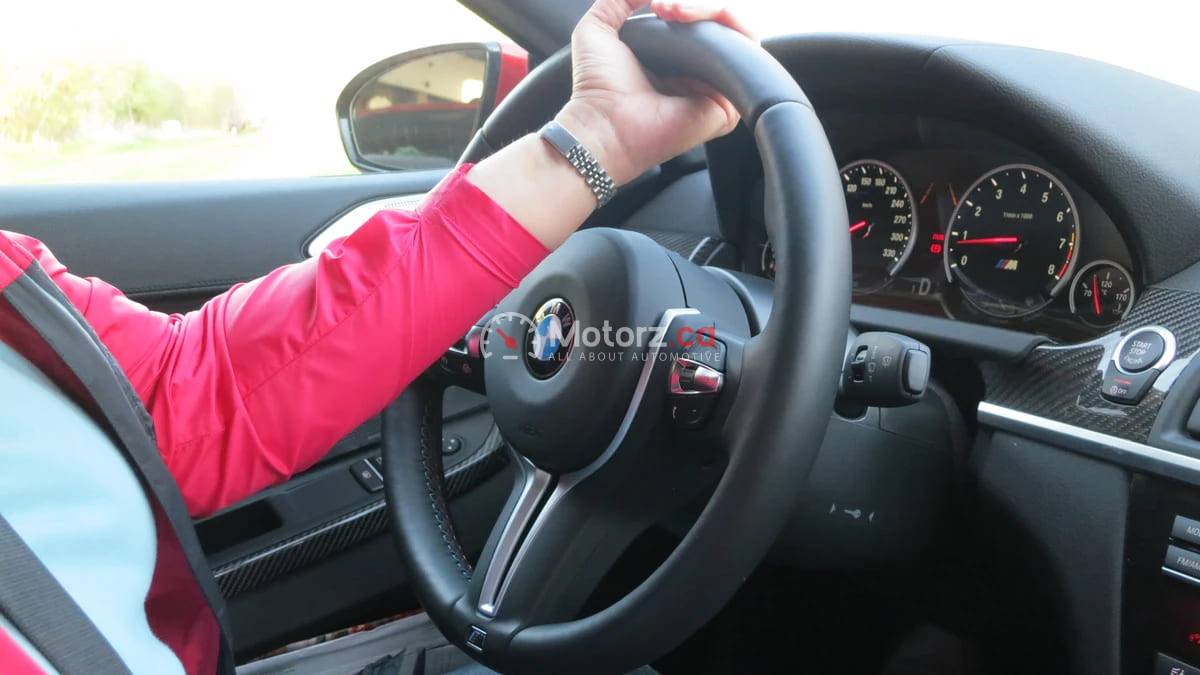
We’ve all seen that Driving Habits. You know the one—the person drifting across three lanes without a signal, or the one riding their brakes down a long hill until you can smell the scorched pads from two cars back. It is easy to point fingers at others, but if we are being honest, most of us have developed a few “autopilot” behaviors that are doing more harm than good.
In the world of “The Corner Wrench,” we don’t just look at what’s under the hood; we look at the person behind the wheel. As we navigate the roads in 2026, our vehicles are smarter than ever, packed with sensors and semi-autonomous features. However, even the most advanced computer cannot save a car from a driver with bad habits. These “dumb” driving habits aren’t just annoying to your fellow commuters; they are actively draining your bank account through increased fuel consumption and premature mechanical wear.
Are you accidentally sabotaging your own vehicle? It’s time for a reality check. Let’s break down the five most common driving blunders and, more importantly, how you can fix them to keep your car running smoother for longer.
The Driving Habits: Jackrabbit Starts and Hard Braking
In the automotive world, we call this aggressive driving, but your wallet calls it a disaster. Jackrabbit starts—flooring the accelerator the second the light turns green—might feel sporty, but they are incredibly inefficient.
The Fuel Economy Penalty
When you slam on the gas, you are forcing the engine to move from an idle state to a high-RPM state instantly. This dumps an excess amount of fuel into the cylinders that isn’t fully converted into forward motion. In modern 2026 internal combustion engines and even hybrids, this aggressive behavior can slash your fuel economy by as much as 30 percent in city driving.
The Toll on Your Drivetrain
It isn’t just about the fuel. Hard acceleration puts immense stress on your transmission, engine mounts, and CV joints. If you are driving an Electric Vehicle (EV), this instant torque puts a massive load on the battery’s thermal management system. Smooth, linear acceleration allows the mechanical components to mesh properly and reduces the risk of expensive drivetrain failures down the road.
Riding the Brakes: The Silent Brake Killer
If you find yourself resting your left foot on the brake pedal while driving, or if you keep your foot on the brake during long descents without necessity, you are “riding the brakes.”
Heat is the Enemy
Brakes work by converting kinetic energy into heat through friction. When you ride the brakes, you are creating a constant, low-level friction that never allows the rotors and pads to cool down. This leads to “glazing,” where the brake pad material hardens and loses its gripping power. Eventually, this constant heat can warp your rotors, leading to that annoying steering wheel vibration when you try to stop.
Use Your Engine Instead
The “Corner Wrench” solution for long hills is engine braking. By downshifting to a lower gear (even in an automatic with “Sport” or “Manual” mode), you allow the engine’s internal compression to slow the vehicle down. This keeps your brakes cool and ready for when you actually need to make an emergency stop. For EV drivers, mastering “One-Pedal Driving” and regenerative braking achieves the same goal while actually putting energy back into your battery.
Treating the Fuel Light Like a Challenge
We have all played the game of “How far can I go after the light turns on?” While it might feel like a fun gamble, running your tank down to the very last drop of fumes is a recipe for a 1,000 fuel pump repair.
The Fuel Pump’s Cooling System
In almost every modern car, the fuel pump is located inside the gas tank. It relies on the gasoline surrounding it to act as a coolant and a lubricant. When your tank is nearly empty, the pump is exposed to air and can begin to overheat.
Sucking Up the Gunk
Over years of driving, microscopic sediment and debris settle at the very bottom of your fuel tank. When you run the tank dry, the pump is forced to suck up that “sludge,” which can clog your fuel filter or damage the internal vanes of the pump itself.
The Rule of Thumb: Try to never let your tank drop below a quarter of a tank. Think of the quarter-mark as your “Empty” light.
Improper Gear Shifting: The “Rolling Reverse”
This is a habit often found in busy parking lots. You are backing out of a spot, and while the car is still rolling backward at 5 km/h, you shove the gear selector into “Drive” and hit the gas.
Using Your Transmission as a Brake
When you shift from reverse to drive while the car is still moving, you are asking the internal clutches and bands of your transmission to act as brakes. Transmissions are designed to transfer power, not to stop the momentum of a two-ton vehicle. Over time, this “rolling shift” causes internal wear that leads to slipping gears and “harsh” shifting.
The 1-Second Rule
Always come to a complete, 100 percent stop before changing gears. It takes exactly one second longer, but it can add years to the life of your transmission. This applies to manual transmissions as well—never try to force a car into first gear or reverse while it is still moving in the opposite direction.
Ignoring the “Vibe”: Tuning Out New Noises
Your car is a symphony of mechanical parts. When a new “instrument” starts playing—a squeak, a rattle, or a vibration—it is a signal that something has changed. One of the “dumbest” habits a driver can have is simply turning up the radio to ignore a new noise.
Small Noises, Big Consequences
A light “clicking” when you turn the wheel is likely a failing CV boot. If you fix it now, it’s a 150 repair. If you ignore it until the axle snaps, you’re looking at a 600 tow and repair bill. A slight “squeak” when you hit a bump could be a dry ball joint. If it fails at highway speeds, you lose steering control entirely.
Be an Active Listener
Once a week, drive for five minutes with the radio off and the windows down. Listen to your car. Does it whistle? Does it thud? In 2026, cars are better insulated than ever, so if you can hear a noise from inside the cabin, it is likely already a significant issue.
Driving Smart Saves More Than Lives
Safe driving isn’t just about avoiding accidents; it is about preserving the mechanical integrity of your vehicle. By eliminating these five habits—aggressive starts, riding the brakes, running on empty, improper shifting, and ignoring mechanical warnings—you are performing “passive maintenance.”
You don’t need a wrench to be a better car owner. Sometimes, all it takes is a change in perspective and a smoother touch on the pedals. Keep your “Corner Wrench” instincts sharp, and your car will stay out of the shop and on the road where it belongs.