

Understanding the Hybrid Advantage
Before we dive into the specifics of owning a Hybrid Car in BC, let’s clarify what a hybrid car is and how it works.
The Simple Science of a Hybrid
At its core, a Hybrid Car in BC combines a traditional internal combustion engine with an electric motor and a small battery pack. The vehicle’s computer seamlessly switches between the two power sources to maximize efficiency.
At low speeds or when starting from a stop, the electric motor powers the Hybrid Car in BC, using no gasoline at all. This is where you get the most significant fuel savings, especially in stop-and-go city traffic.
During acceleration or on the highway, the gasoline engine kicks in to provide extra power.
When you brake, a smart system called regenerative braking captures the energy that would normally be lost as heat and uses it to recharge the battery.
This is a key reason why hybrid cars BC drivers love are so efficient in urban environments. A traditional car is at its least efficient in traffic; a hybrid is at its best.
The Types of Hybrids (HEV vs. PHEV)
As you begin your research, you’ll encounter a crucial distinction:
Traditional Hybrid (HEV): This is the most common type, like a Toyota Prius or a Ford Maverick Hybrid. It cannot be plugged in and its battery is charged exclusively by the gasoline engine and regenerative braking.
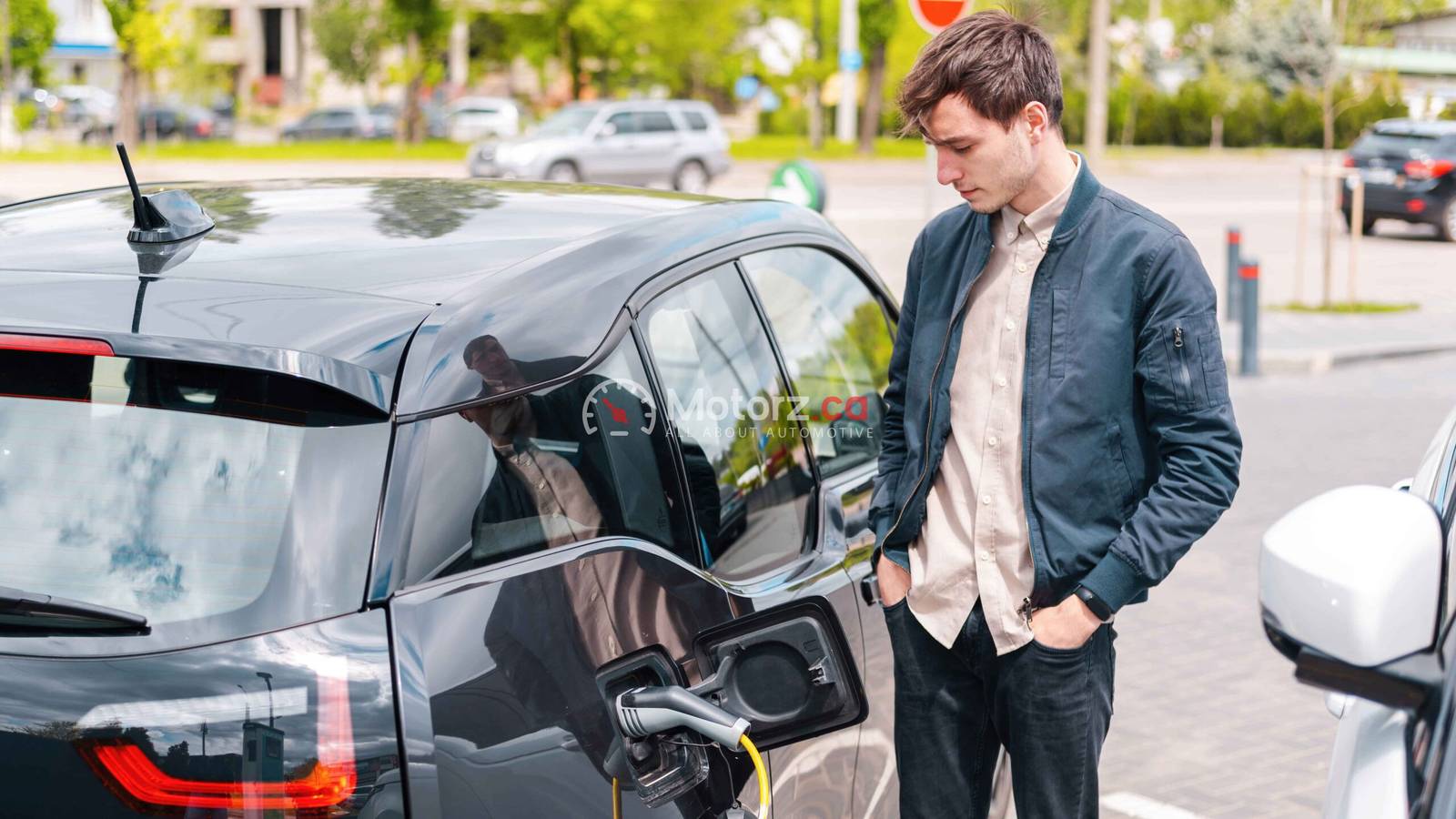
Plug-in Hybrid (PHEV): A PHEV, such as the Toyota Hybrid Car in BC Prime or Kia Niro PHEV, has a larger battery and can be plugged in to an external power source. A PHEV can drive on pure electric power for a certain range (typically 40-70 km), which is more than enough for many daily commutes in the Lower Mainland. After the electric range is depleted, it functions just like a regular hybrid, making range anxiety a non-issue.
The Financial Payoff: Saving Money at the Pump
Let’s address the most important question for many buyers: Is the extra cost of a hybrid worth it? When it comes to the cost of hybrid car ownership in British Columbia, the answer is a resounding yes.
Fuel Savings in BC’s Urban Environment
With gas prices that consistently rank among the highest in Canada, the superior fuel efficiency of a hybrid car is a significant financial benefit. A conventional car might get 10-12 L/100 km in city traffic, while a hybrid can often get less than 5 L/100 km. These savings add up quickly.
Over the course of a year, an average Hybrid Car in BC can save hundreds, if not thousands, of dollars by making fewer trips to the pump. This alone often offsets the slightly higher purchase price of a hybrid vehicle within just a few years of ownership.
The Myth of High Maintenance Costs
A common concern for beginners is that hybrid technology is more complex and therefore more expensive to maintain. While some components are unique, hybrids often have lower routine maintenance costs than their gasoline-only counterparts.
Reduced Brake Wear: Because of regenerative braking, the friction brakes on a hybrid are used far less frequently. This means brake pads and rotors can last two to three times longer than on a conventional car, saving you money on one of the most common maintenance items.
Less Engine Stress: Since the gas engine only runs when Hybrid Car in BC, it experiences less wear and tear. This can lead to less frequent oil changes and a longer overall engine life.
Hybrid Maintenance in British Columbia: What’s Different?
This is where the rubber meets the road. What does regular maintenance for a hybrid car look like in a place like BC? The good news is, it’s very similar to a regular car, with a few key advantages.
The Hybrid Battery: Lifespan and Warranty
This is the number one question on a beginner’s Hybrid Car in BC: how long does the battery last, and how much will it cost to replace?
The truth is, modern hybrid batteries are incredibly durable and designed to last for the life of the car. The average lifespan for a hybrid battery is 8 to 15 years or between 160,000 to 240,000 km. Many vehicles will far exceed this.
Furthermore, manufacturers stand behind their hybrid technology with a robust warranty. In Canada, most hybrid batteries are covered for at least 8 years or 160,000 km, whichever comes first. This gives you peace of mind that for the vast majority of your ownership period, any battery-related issues will be covered at no cost to you.
The Gas Engine and Fluids
While the gas engine in a hybrid works less, it still needs routine care. You will still need to follow the manufacturer’s recommended schedule Hybrid Car in BC:
Oil changes: Because the engine works on-and-off, it’s important to use the correct type of oil and follow the recommended change interval, which may be based on both mileage and time.
Fluid checks: The gas engine, brakes, and transmission all have fluids that need to be checked and, eventually, replaced.
Tires: Like any car, you’ll need to rotate your Hybrid Car in BC and ensure they are properly inflated to maintain optimal fuel efficiency and safety.
The key takeaway is that hybrid maintenance BC drivers can expect is not more complicated, and in some cases, is even simpler and less frequent than a conventional vehicle.
Hybrids and BC’s Climate: A Perfect Match
British Columbia is a province of diverse climates, from the rainy coasts to the snowy mountains of the interior. A hybrid car is a great choice for all of it.
Performance in Cold Weather
A common misconception is that hybrid batteries perform poorly in the cold. While all batteries are less efficient in extreme temperatures, hybrid systems are designed to compensate. The gas engine will run more frequently in cold weather to help warm the cabin and the battery, ensuring consistent performance. Many modern hybrids also come with heated seats and steering wheels, which are more efficient for warming the driver than a full Hybrid Car in BC heating system.
All-Wheel Drive Options for BC’s Roads
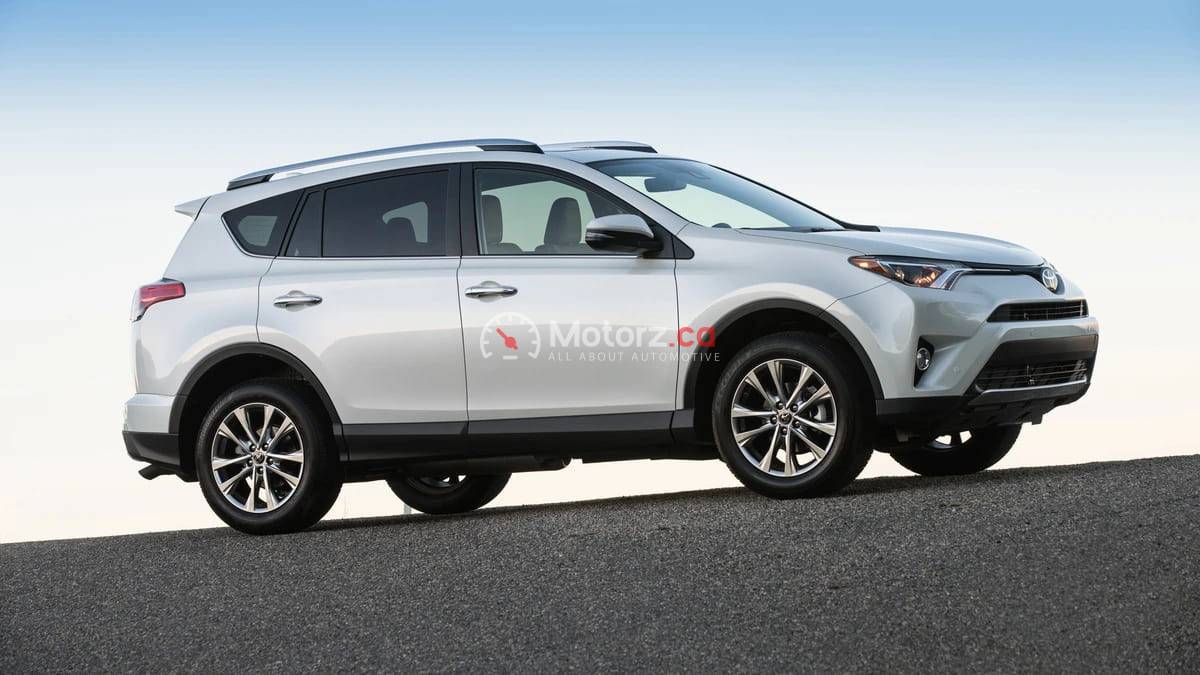
For those who live outside the Lower Mainland or who love to hit the ski slopes, many popular hybrids, like the Toyota RAV4 Hybrid and the Ford Escape Hybrid, come standard with all-wheel drive (AWD). This provides extra traction and control in snowy or icy conditions, making a hybrid an ideal year-round vehicle for BC’s diverse road conditions.
BC’s Hybrid Incentives
A major advantage of buying a hybrid in British Columbia is the availability of financial incentives.
The Clean BC Go Electric Program
The BC hybrid car incentives are a powerful tool for making the switch more affordable. While traditional hybrids (HEVs) do not currently qualify for a purchase rebate, plug-in hybrids (PHEVs) do.
The Clean BC Go Electric Rebate for new PHEVs is income-based. Depending on your household’s gross annual income from the previous year, you may be eligible for a rebate of up to $2,000. This rebate is applied directly at the dealership, reducing your upfront cost immediately.
This incentive, combined with the long-term savings on fuel and maintenance, makes a PHEV an incredibly compelling financial decision for many Hybrid Car in BC.
The Hybrid Experience: A Seamless Transition
Making the switch to a hybrid is easier than you might think. For a beginner, the learning curve is virtually non-existent.
A Seamless Driving Experience
The beauty of a hybrid is that you don’t have to change your driving habits at all. The vehicle’s intelligent computer system manages the power delivery for you. The transition between the electric motor and the gas engine is virtually seamless, and you will quickly adapt to the quiet starts and the intuitive feel of the regenerative braking. The only thing you’ll notice is how little you have to visit the gas station.
Finding a Hybrid in BC
The market for Hybrid Car in BC is incredibly strong, with a wide variety of models from almost every major manufacturer. Whether you’re looking for a compact sedan, a versatile SUV, or even a minivan, there is a hybrid option for you. Popular models like the Toyota Hybrid Car in BC, Honda CR-V Hybrid, Kia Niro, and Hyundai Tucson Hybrid are widely available and well-suited to the Hybrid Car in BC lifestyle.