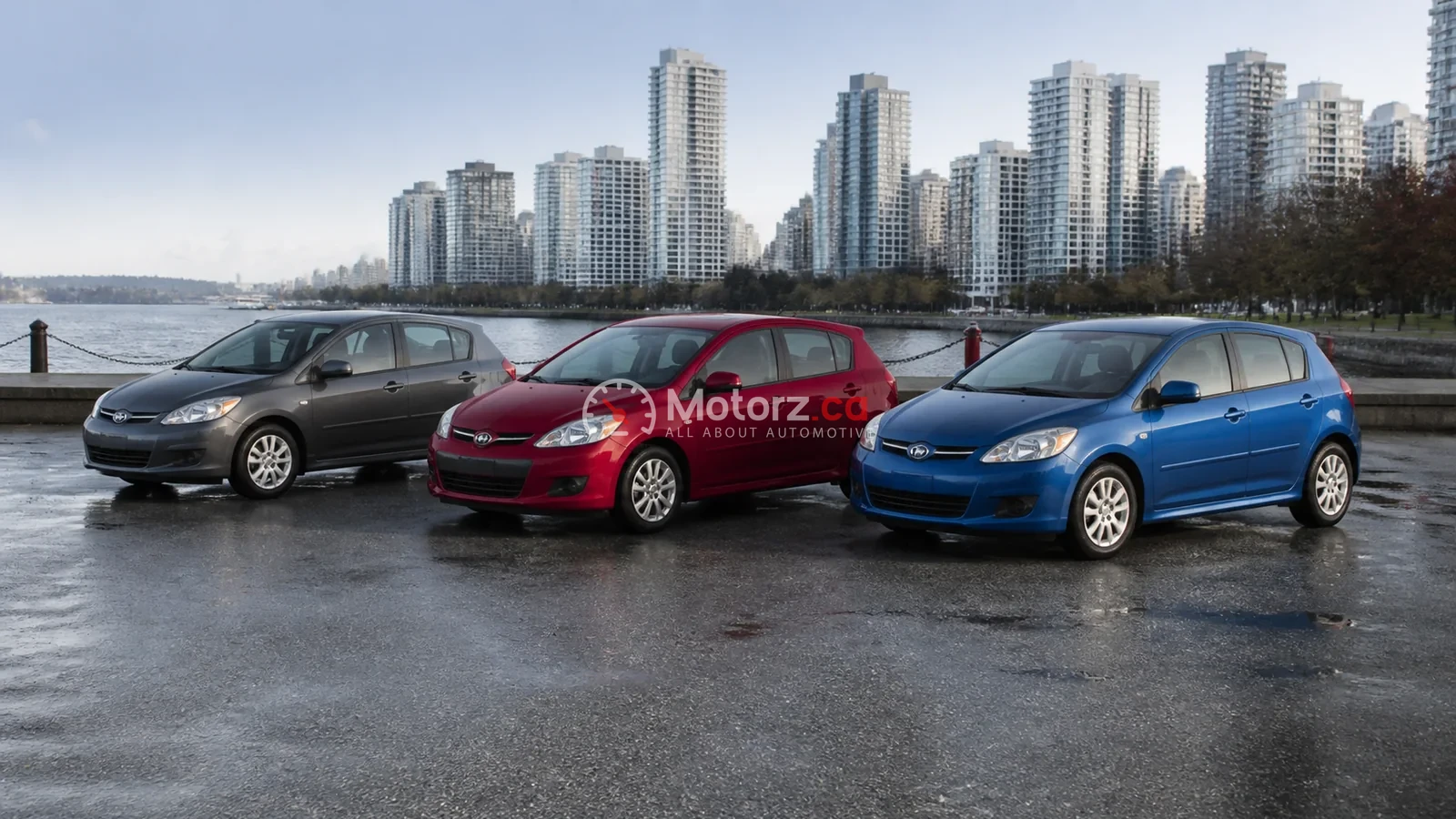
Direct answer: Used hybrids such as the Hyundai Ioniq, Toyota Prius, Toyota Corolla Hybrid and Toyota Camry Hybrid are among the strongest fuel-economy candidates for Canadian shoppers. Efficient gasoline cars such as the Honda Civic, Toyota Corolla and Mazda3 can be simpler alternatives. The right choice depends on model year, configuration, condition, driving pattern and the cost of inspecting an older hybrid battery.
This page owns the fuel-efficiency question. For a broader shortlist that weighs resale, condition and ownership fit beyond fuel use, see our best used cars in Canada guide.
How we built the shortlist
- NRCan five-cycle fuel-consumption ratings for representative Canadian model years.
- Meaningful availability in the Canadian used market.
- A mix of hybrid and conventional gasoline powertrains.
- Practical ownership factors: cargo needs, winter tires, service history and age.
- No assumption that low fuel consumption guarantees reliability.
NRCan ratings are standardized comparison figures, not promises. Temperature, speed, tires, trip length, load and maintenance can move real consumption materially. Confirm the exact year, trim, engine and drivetrain in NRCan’s database before buying.
Fuel-efficient used vehicles to compare
| Vehicle family | Powertrain | Useful model-year context | Best fit | Check before buying |
|---|---|---|---|---|
| Hyundai Ioniq Hybrid | HEV | 2017–2022 | Maximum fuel economy and hatchback utility | Hybrid-system history and model-year-specific recalls |
| Toyota Prius | HEV | 2016–2022 | Urban/suburban efficiency and cargo flexibility | Battery health, cooling intake and complete service records |
| Toyota Corolla Hybrid | HEV | 2020 onward | Compact sedan efficiency with familiar controls | Collision history, brake condition and exact drivetrain |
| Toyota Camry Hybrid | HEV | 2018 onward | More passenger space without SUV consumption | Battery assessment and tire/brake wear |
| Honda Accord Hybrid | HEV | 2018 onward | Roomy sedan with strong city efficiency | Exact trim, software campaigns and service history |
| Honda Insight | HEV | 2019–2022 | Conventional sedan shape with hybrid economy | Availability, battery condition and repair history |
| Honda Civic | Gasoline | 2016 onward | Efficient non-hybrid commuter | Engine/transmission variant, recalls and maintenance |
| Toyota Corolla | Gasoline | 2017 onward | Simple compact-car ownership | Exact engine, CVT servicing and collision history |
| Mazda3 | Gasoline | 2019 onward | Efficient compact with available AWD in some years | AWD fuel penalty, corrosion exposure and tire match |
| Kia Niro Hybrid | HEV | 2017 onward | Small crossover-like packaging | Recall completion, hybrid system and dual-clutch behaviour |
Calculate fuel savings before paying a premium
Annual fuel use can be estimated as annual kilometres multiplied by combined L/100 km, divided by 100. Compare two vehicles using the same distance and fuel price. A two-litre-per-100-kilometre advantage saves about 300 litres over 15,000 km; the dollar value depends on fuel price. Compare that saving with purchase price, financing, insurance and expected repairs.
Older hybrid battery risk
Hybrid batteries can last many years, but age, heat, storage and prior repairs matter. Ask for diagnostic evidence from a qualified provider, verify the remaining manufacturer warranty for that exact vehicle, and price a credible repair path. Do not treat a dashboard with no warning lights as a complete battery assessment.
Canadian climate and ownership checks
- Expect higher winter fuel use from cold starts, winter gasoline, cabin heat and rolling resistance.
- Inspect underbody corrosion, brake hardware and splash shields where road salt is common.
- Use four suitable winter tires; AWD does not reduce stopping distance.
- Check Transport Canada recalls and provincial lien/history requirements.
- Arrange an independent pre-purchase inspection appropriate to the powertrain.
Bottom line
Choose from the efficient end of the market, then buy the best-documented example—not simply the model with the lowest laboratory number. A slightly less efficient gasoline car can be the better total-cost choice when its condition, price and service history are materially stronger.
Disclosure: Motorz.ca did not test these vehicles. Ratings and model availability vary by year and configuration.