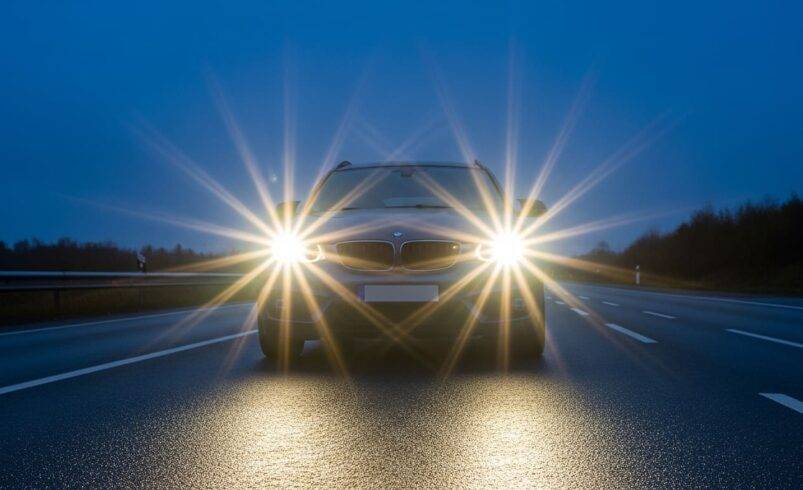

Does it feel like every car on the road is trying to X-ray your soul with its high beams lately? If you’ve ever found yourself squinting, shifting your mirrors, or even momentarily blinded by the piercing blue-white glow of a modern LED, you’re not alone. In fact, the frustration has reached a fever pitch, and the federal government is finally stepping in.
Transport Canada has officially launched a public consultation on headlight glare, and they want to hear from you. This is a rare and vital opportunity for Transport Canada, cyclists, and pedestrians to influence the future of road safety regulations.
In this deep dive, we’ll explore why headlights have become so blinding, what Transport Canada is looking for, and—most importantly—how you can make your voice heard before the April 20, 2026, deadline.
Why are Modern Headlights So Blinding?
For decades, the standard for automotive lighting was the halogen bulb. These emitted a warm, yellowish light that was effective but relatively dim by today’s standards. Fast forward to 2026, and the landscape has changed entirely.
The Rise of LEDs and HID Lighting
Most new vehicles now come equipped with Light Emitting Diodes (LEDs) or High-Intensity Discharge (HID) lamps. These technologies offer significant benefits:
Energy Efficiency: They draw less power from the Transport Canada electrical system.
Longevity: They last much longer than traditional bulbs.
Visibility: They provide a much brighter, whiter light that mimics daylight, helping drivers see further down the road.
However, that “daylight” quality is exactly the problem for oncoming traffic. The blue-rich spectrum of modern LEDs is more likely to cause discomfort glare and disability glare, which can physically impair a person’s ability to see objects in the road.
The “SUV Arms Race” and Mounting Heights
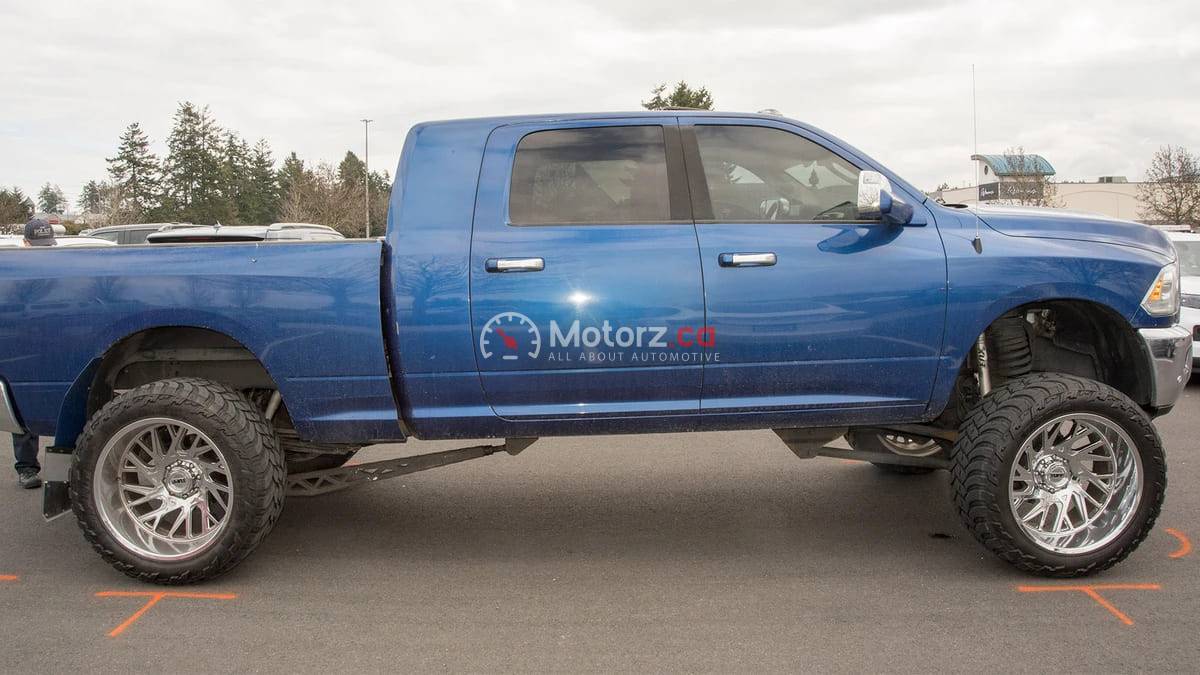
It isn’t just the bulbs; it’s the height. With the massive popularity of SUVs and pickup trucks in Transport Canada, headlights are being mounted higher off the ground. When a tall truck sits behind a low-profile sedan, those “low beams” are aimed directly into the sedan’s rearview mirror.
The Transport Canada Consultation: What You Need to Know
Transport Canada is the federal department responsible for the Motor Vehicle Safety Act. They set the rules for what manufacturers can and cannot do with vehicle lighting.
Why is this happening now?
Public pressure has been Transport Canada for years. In early 2026, several B.C. cities, including Vancouver and Victoria, formally called on the federal government to regulate headlight brightness. Additionally, a petition recently filed in the House of Commons by a Gatineau resident highlighted the “dangerous conditions” created by modern lighting.
What is Transport Canada asking?
The government has launched an online survey specifically designed to “take the temperature” of Canadians on this issue. They are looking for data on:
Your Experience: How often do you feel blinded by oncoming lights?
Safety Impacts: Has glare ever caused you to lose sight of the road or a pedestrian?
Specific Conditions: Is the problem worse in the rain, snow, or on rural roads?
Vehicle Features: What do you think about features like automatic high beams or adaptive driving beams (ADB)?
The Technical Gap: Canada vs. The World
One of the most frustrating aspects for tech-savvy drivers is that the solution already exists—it just isn’t fully utilized here.
Adaptive Driving Beams (ADB)
In Europe, “matrix” or adaptive headlights have been used for Transport Canada. These systems use cameras to detect oncoming cars and “carve out” a shadow around them while keeping the rest of the road brightly illuminated.
While Canada and the U.S. have recently moved toward allowing this technology, our regulations have historically been tied to older American standards. One of the goals of this consultation is to determine if Canada should “decouple” its rules and move toward more modern, European-style standards that prioritize both the driver’s vision and the safety of others.
How to Submit Your Feedback to Transport Canada
If you want to help change the rules, you need to participate. Here is exactly how to do it:
The Online Survey: This is the most direct way to provide structured feedback. It takes about 15 minutes and is completely anonymous.
Email Submissions: You can send more Transport Canada comments or personal stories directly to the Motor Vehicle Safety directorate.
Email: MVS-SA@tc.gc.ca
Subject Line: Must include “Headlight glare” to be properly processed.
Deadline: All feedback must be submitted by April 20, 2026.
Tips for Dealing with Headlight Glare Right Now
While we wait for the wheels of government to turn, here are a few practical tips to keep you safe during your nighttime commute:
Clean Your Windshield: Dirt and streaks on the Transport Canada and outside of your glass can scatter light, making glare significantly worse.
Avert Your Eyes: If an oncoming car is blinding you, look toward the white “fog line” on the right side of the road to maintain your lane position without staring into the light.
Check Your Alignment: If people are constantly flashing their lights at you, your own headlights might be aimed too high. A quick adjustment at a mechanic can fix this.
Flip Your Mirror: Use the “night” tab on your rearview mirror (or ensure your auto-dimming mirror is functioning) to cut down on glare from Transport Canada.