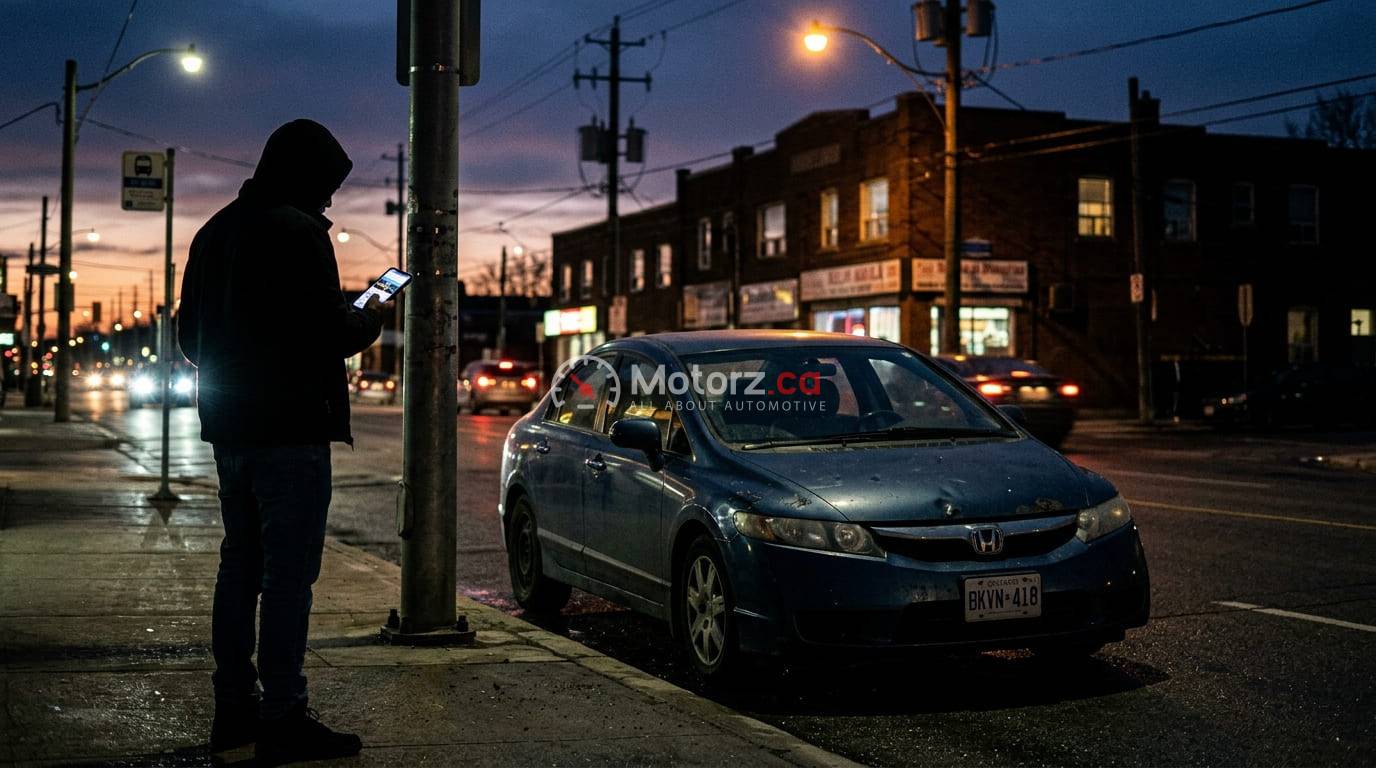
Facebook Marketplace has rapidly Used Car Shopping in Brampton as the go-to platform for finding a pre-owned car, truck, or SUV in Brampton. The convenience of scrolling through local vehicle listings right from your smartphone, messaging sellers directly through an app, and browsing options right in neighborhoods like Mount Pleasant, Springdale, or Bramalea makes the process incredibly accessible.
However, the open nature of the platform has also turned it into a primary target for sophisticated automotive fraudsters. Brampton’s high traffic density and bustling secondary auto market mean that local car buyers must exercise extreme caution. Unscrupulous operators take advantage of eager buyers by listing vehicles that carry hidden safety issues, falsified paperwork, or financial obligations that legally transfer to the new owner upon purchase.
If you are hunting for a reliable vehicle on social media, you must learn to spot the warning signs of deceptive listings. This detailed breakdown explores the five most common vehicle scams active on the platform in the Region of Peel and explains how you can protect your hard-earned money.
1. The Used Car Shopping in Brampton: Dealerships Posing as Private Sellers
One of the most widespread fraudulent practices across Ontario’s used car market is the rise of the “curbsider”. By definition, a curbsider is an unlicensed, unregistered dealer who poses as a normal private citizen trying to sell their personal family car.
How the Curbsider Scam Operates
Curbsiders systematically purchase low-grade vehicles from wholesale salvage auctions, quick trade-ins, or scrap yards. Instead of legally registering the vehicle under their own commercial business name and paying corporate taxes, they instantly post the car on social media platforms for a quick flip.
To pull off the deception, they will craft an emotional narrative in the ad description, claiming they are forced to sell the vehicle quickly because they are moving out of the province, or that they are listing the vehicle on behalf of an elderly relative or a busy friend who does not use social media.
Why Curbsiders Choose Public Locations
When you message a curbsider to arrange a viewing, they will almost always decline to give you a residential home address. Instead, they will insist on meeting you in a busy, neutral public space, such as a local shopping plaza parking lot off Bovaird Drive or a commuter lot near Highway 410. They do this specifically to ensure you cannot trace the vehicle back to their actual home or business address once you realize the car has severe mechanical issues.
The Legal Risk for the Buyer
In Ontario, buying a vehicle from a private seller means you are completely on your own if the car breaks down ten minutes after the transaction. Licensed dealers are strictly regulated by the Ontario Motor Vehicle Industry Council (OMVIC) and must comply with the Motor Vehicle Dealers Act, which guarantees consumer compensation and honest vehicle history disclosures. Curbsiders completely bypass these consumer protection laws. If you buy a mechanical lemon from a curbsider, you have zero legal recourse.
2. The Missing or Falsified Used Vehicle Information Package (UVIP)
Under Ontario law, any private citizen selling a pre-owned vehicle is legally required to purchase and present an official Used Vehicle Information Package (UVIP) from the Ministry of Transportation (MTO) to the prospective buyer.
Why the UVIP is Non-Negotiable
The UVIP acts as an official, unalterable background check for a car’s legal status in Ontario. This official government document outlines critical details, including:
The complete historical chain of ownership in the province.
The exact mileage recorded at each previous registration transfer.
The presence of any active liens (unpaid loans or vehicle finance balances) registered against the vehicle chassis.
The Scam: Excuses and Counterfeits
Fraudulent sellers on local classified networks will frequently try to complete a transaction without showing you a UVIP. They might claim that ServiceOntario was too crowded when they tried to get one, or that they will simply hand it over to you once the cash is exchanged.
Even more dangerously, some sophisticated scammers will print out a physical UVIP document, use digital editing software to alter the odometer readings or erase active finance liens, and then hand you a photocopied sheet.
The Debt Follows the Car: If you buy a vehicle that has an active financial lien registered against it by a bank or a private lending institution, that debt remains attached to the vehicle’s registration. If the previous seller disappears with your cash and stops making their monthly car payments, the bank retains the legal right to track down and repossess your newly purchased car right out of your driveway, leaving you with no car and no money.
3. Odometer Rollbacks and Tampered History Reports
With modern digital dashboards, altering a car’s recorded mileage no longer requires opening up the instrument cluster with physical tools. Unscrupulous sellers can purchase cheap electronic diagnostic modules online that rewrite a car’s central computer memory within a matter of minutes.
Spotting a Rolled-Back Odometer
A classic marketplace scam involves listing a clean-looking vehicle, such as a ten-year-old commuter sedan, and advertising it as having unusually low mileage, perhaps only ninety thousand kilometres. In reality, the vehicle may have logged over two hundred and fifty thousand kilometres as an intensive rideshare vehicle or delivery car. The scammer rolls back the digital display to artificially double the vehicle’s market value.
Falsified CARFAX Reports
To make their listings look highly reputable, fraudulent sellers will often include screenshot snippets of a clean CARFAX Canada history report directly within their photo gallery.
However, scammers frequently download a real, clean history report belonging to an identical car of the same make, model, and color, and then use editing software to paste their target vehicle’s Identification Number (VIN) over the top.
Always refuse to look at static printouts or image files provided by the seller. Demand the raw seventeen-digit VIN and run an independent, fresh CARFAX report yourself via the official corporate website to verify that the dates, service records, and accident reports align perfectly.
4. The Deposit Scam: Vanishing Before the Handshake
This particular scam exploits a buyer’s fear of missing out on an incredible bargain. It targets consumers who are actively hunting for popular, highly reliable vehicles like pre-owned Honda Civics or Toyota RAV4s.
The Financial Hook
The scammer will post a visually immaculate vehicle at a price point that is significantly below the current average market value. When you message them to express your interest, they will tell you that they are being completely overwhelmed with dozens of inquiries and that multiple buyers are already driving over with cash in hand.
The Digital Disappearing Act
The seller will suggest that if you send a quick electronic transfer of two hundred or five hundred to lock in the deal, they will happily mark the vehicle as sold and wait for you to arrive.
The moment you authorize that e-transfer, the trap snaps shut. The scammer will immediately block your personal social media account, take down the vehicle listing, and disappear with your deposit. In many instances, the individual listing the car does not even live in Ontario, having simply scraped vehicle photos from random online accounts.
5. Rebuilt Wrecks and Title Washing
A vehicle that has survived a catastrophic highway collision, severe structural frame bending, or a deep flood is often written off as a total loss by automotive insurance companies. These severely compromised vehicles are issued a branded title known as “Salvage.”
The Danger of Rebuilt Title Wrapping
A highly organized scam involves shady body shops purchasing these crushed salvage vehicles for next to nothing, pulling the outer sheet metal back into shape with basic cosmetic fixes, and ignoring critical internal safety elements like replacing expired or deployed airbags. They then take the vehicle through a basic safety inspection to re-brand the title as “Rebuilt.”
On social media listings, these sellers will aggressively downplay the vehicle’s dark history. They will casually mention that the car was involved in a minor parking lot fender-bender or a small cosmetic scrape that has been fully repaired by a professional shop.
The Severe Structural Risks
A vehicle with a compromised underlying frame cannot protect your family during a secondary impact. If the structural integrity of the steel has been bent and heated back into shape, its structural strength is permanently degraded. Furthermore, if the vehicle suffered deep water damage from a major flood, the complex wiring harnesses running beneath the interior carpets will slowly corrode over time, leading to sudden, erratic electrical failures while driving at high highway speeds.
Step-by-Step Guide to a Safe Private Purchase in Peel Region
If you have discovered a vehicle listing that looks promising, you can safeguard your financial interests by following this strict step-by-step verification process before handing over any money.
Essential Warning Flags Checklist for Car Buyers
Keep this summary checklist handy when evaluating automotive listings on social media platforms:
The price is drastically lower than identical listings across the Greater Toronto Area.
The seller refuses to provide the 17-digit VIN or blocks requests for a history report.
The listing features screenshot images of a vehicle background report instead of an active web link.
The seller claims to be traveling and requires a quick electronic deposit to hold the car.
The communication is highly frantic and hurried, forcing you to make an immediate decision without an inspection.
What to Do If You Encounter a Vehicle Scammer
If you realize you are interacting with an illicit car flipper or a deposit scammer while shopping in Brampton, take immediate proactive steps to protect the wider community:
Report the Account Locally
Do not simply close the chat window. Use the built-in reporting tools on the platform to flags the specific listing and user profile for fraudulent activity. This helps the platform’s moderation algorithms flag the user’s internet protocol address and take down their active listings before they can trick another local buyer.
Coordinate with Regulatory and Police Bodies
If you have concrete evidence of a curbsider operating a large-scale hidden car business in your neighborhood, you can submit an anonymous report directly to OMVIC’s enforcement branch by emailing their dedicated investigative team.
If you have unfortunately lost money to a deposit scam or purchased a vehicle that turns out to be stolen, document all your text exchanges, phone numbers, and banking transactions, and visit your nearest Peel Regional Police division station to file a comprehensive fraud report in person.
Prioritizing Patience Over a Bad Bargain
Finding a great deal on a used vehicle requires a healthy blend of skepticism and thorough research. Reliable, well-maintained used cars carry a consistent market value across Ontario. If an ad looks like an unbelievable bargain that seems far too good to be true, your natural instincts are almost certainly correct.
By taking your time, performing your own independent background checks, and strictly insisting on a neutral third-party mechanical evaluation, you can successfully navigate local online listings and find a safe, reliable pre-owned vehicle without compromising your financial safety.