


The automotive industry is currently moving at a Modern Car Buyers Need. We are told that we are living in a golden age of transportation, where electric vehicles (EVs), autonomous driving, and massive infotainment screens are the new standard. But if you talk to any group of enthusiasts, daily commuters, or family drivers, you will hear a very different story.
There is a growing disconnect between what manufacturers are producing and what the average driver actually needs to live their daily life. We are being offered “innovations” that complicate our drive, while the basic, fundamental requirements of car ownership—affordability, reliability, and simplicity—seem to be slipping through our fingers.
In this deep dive, we are identifying the four critical “missing links” in the current automotive market. From the death of the affordable car to the frustration of “touchscreen fatigue,” here is exactly what we need, and why we aren’t getting it.
The Disappearance of the Modern Car Buyers Need Car
Perhaps the most significant grievance in 2026 is the death of the truly affordable new automotive industry. For decades, a young professional or a family on a budget could find a reliable, brand-new car for a reasonable price. Today, that segment of the market has almost entirely vanished.
The SUV-Only Mandate
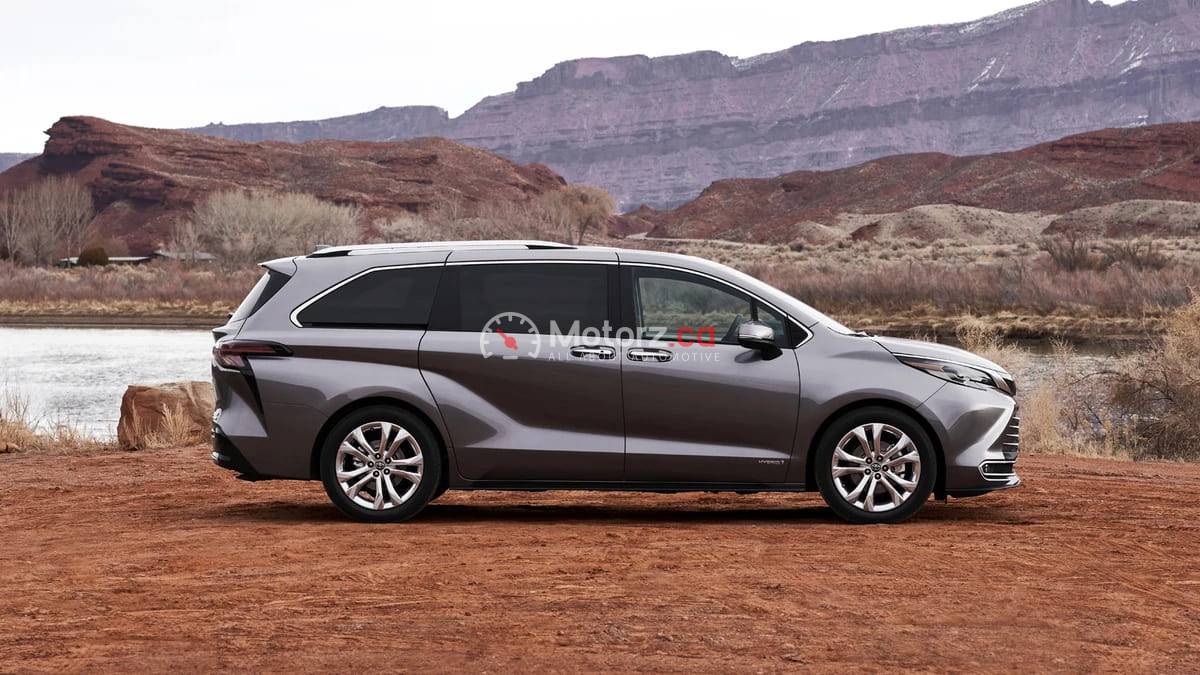
Manufacturers have realized that there is more profit in a large SUV than in a compact sedan or hatchback. As a result, many brands have killed off their entry-level models. If you want a new car today, you are often forced into a larger, heavier, and more expensive vehicle than you actually require. We need more compact, efficient, and low-cost options, yet we are getting “luxury” features we didn’t ask for.
The Pricing Paradox
Even the “budget” brands have moved upmarket. With the average new car price now hovering at record highs, many people are being priced out of the new car market entirely. We need vehicles that prioritize low monthly payments over 30-color ambient lighting and 20-inch wheels.
We Need Physical Buttons, Not Just Screens
In the rush to make car interiors look like high-end smartphones, designers have moved almost every function into a touchscreen. This is a classic example of “innovation” that ignores human ergonomics.
The Safety Distraction
When you want to change the temperature or adjust the volume, you should be able to do it by feel while keeping your eyes on the road. Navigating through three sub-menus on a glowing 15-inch tablet just to turn on the defroster is not progress; it is a safety hazard.
Why We Aren’t Getting It
The reason for the “all-screen” interior is simple: it is cheaper to build. It costs a manufacturer significantly more to design, manufacture, and wire 20 physical buttons than it does to write a few lines of code for a digital interface. We need tactical feedback and physical controls for essential driving functions, but we are getting cost-cutting disguised as “minimalist design.”
Real-World Range and Charging Infrastructure
If the automotive world is going to go fully electric, the infrastructure must catch up to the marketing. While EV technology has improved, the “experience” of owning one still feels like it is in a beta-testing phase for many drivers outside of major urban hubs.
The “Label” vs. The Reality
A car might be rated for 400 kilometers of range, but in a Canadian winter or while towing a trailer, that number can drop by 40 percent. We need manufacturers to be more transparent about “worst-case scenario” performance.
The Infrastructure Gap
We need a charging network that is as reliable as a gas station. Currently, EV owners often face “charger anxiety”—arriving at a station only to find the plugs are broken or the charging speed is throttled. We need a unified, reliable, and fast-charging grid that works across all brands, yet we are still dealing with a fragmented system of different apps and memberships.
The Right to Repair in a Digital World
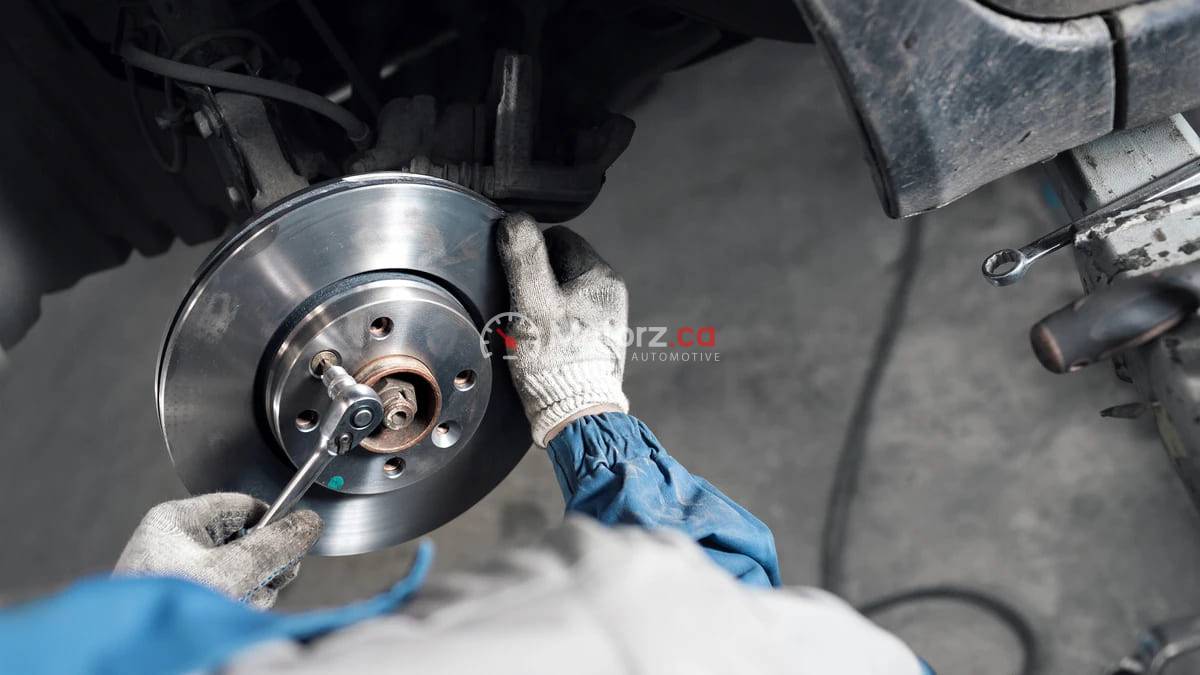
As vehicles become “software-defined,” the ability for a local mechanic—or even a handy owner—to fix their own car is disappearing. This isn’t just about turning a wrench; it’s about the digital locks being placed on automotive hardware.
Proprietary Software Locks
Many modern parts now require a “software handshake” with the manufacturer’s server to function. Even if you install a perfectly good new part, the car might not recognize it unless a dealer “unlocks” it with a proprietary tool. We need open-access diagnostics and the ability to repair our own property, but we are getting a “subscription model” where we never truly own our cars.
How to Navigate the Gap
If you are in the market for a car today and feel like you aren’t getting what you need, here are a few tips to help you find the “best of what’s left”:
Look at the “Base” Trims: Often, the lower trim levels of a vehicle retain more physical buttons and have smaller, cheaper-to-replace wheels.
Research Reliability over Flash: Prioritize brands that have resisted the urge to put every single function into a screen.
Consider Certified Pre-Owned (CPO): Sometimes a three-year-old car offers the perfect balance of modern safety without the “over-digitalization” of the current model year.
A Call for Common Sense
The automotive industry is at a crossroads. While we appreciate the leaps in safety and efficiency, we cannot lose sight of what makes a car a useful tool for a human being. We need affordability, we need physical controls, and we need the freedom to maintain our vehicles without a corporate login.
It is time for manufacturers to listen to the people who actually drive their cars every day. We don’t need a spaceship; we need a car that works for us, not the other way around.